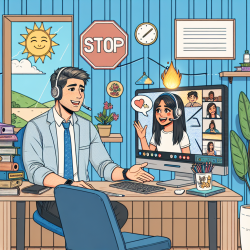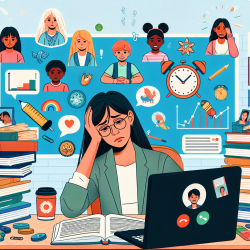
The return to school after a break can be a challenging transition for both students and educators. This is particularly true when the return involves a shift back to virtual classrooms, as has been the case during the ongoing pandemic. The sudden change in routine can cause stress and anxiety among students, families, and school staff. With uncertainties still looming, it is crucial for educators to support their students' mental health and well-being during this transition.
Understanding the Emotional Landscape
Students often experience mixed feelings about returning to school, especially after an extended break. These feelings are compounded by the uncertainties of the pandemic and its impact on their daily lives. Acknowledging this range of emotions is vital for educators as they work to create a supportive learning environment. By normalizing these feelings and teaching coping strategies, educators can help students manage stress effectively.
The Importance of Relationships
Even in a virtual environment, building and maintaining relationships remains key. A strong sense of community can provide students with the support they need during transitions. Here are some strategies to help students as they return to learning after the winter break:
- Anticipate Fatigue: Students, particularly adolescents, may experience significant fatigue and sleepiness. It's important to focus on social and emotional well-being alongside academic expectations.
- Re-teach Routines: Reinforce new virtual routines with patience and positivity. Avoid punitive measures and instead encourage understanding.
- Pace Academic Content: Use professional judgment when introducing new content. Allow time for transitions and re-establishing routines.
- Model Coping Strategies: Demonstrate a range of coping strategies you hope students will adopt.
- Encourage Cooperation: Provide opportunities for cooperative work that can empower students and offer restorative benefits after disruption.
- Create Safe Spaces for Concerns: Allow students to voice their concerns, challenges, and needs in a supportive environment.
Coping Strategies: A Toolbox for Students
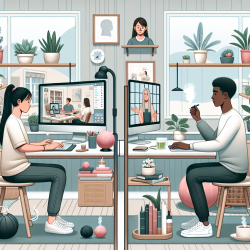
A variety of stress management and coping strategies can equip students with tools to handle overwhelming or anxious feelings. Since each student is unique, what works for one may not work for another. Educators should teach, model, and practice different strategies so that students can discover what suits them best. Here are some effective strategies:
- Breathing Exercises: Simple breathing techniques can help calm nerves and reduce stress.
- Muscle Relaxation: Techniques that focus on relaxing tense muscles can alleviate physical stress symptoms.
- Visualization: Encouraging students to imagine peaceful scenarios can help them relax mentally.
- Distraction: Activities that distract from stressors can provide temporary relief from anxiety.
- Thought Changing: Teaching students to challenge negative thoughts can improve their mental resilience.
- Gratitude Practices: Focusing on gratitude can shift perspectives from negative to positive.