The global education sector is facing a daunting challenge. UNESCO projects a shortage of 44 million teachers by 2030, a crisis that threatens the quality of education worldwide. In Canada, this issue is particularly acute in specialized subjects, French language instruction, and rural areas. Alarmingly, 43% of Northern First Nations report having classrooms without teachers. This problem isn't limited to teachers alone; over 40% of Ontario schools report daily shortages of education support staff, and leadership roles are becoming increasingly hard to fill.
The Impact of Staffing Shortages
The repercussions of these shortages are profound. Absenteeism and attrition are on the rise, driven by high occupational stress and emotional labor. The situation is exacerbated by work overload, long hours, role conflicts, and strained relationships with students and colleagues. Moreover, the increase in violent and aggressive student behavior adds another layer of complexity.
These factors contribute to a vicious cycle: absenteeism leads to burnout and attrition, increasing the workload for remaining staff and inflating hiring costs. Inconsistent staffing disrupts the learning process, reducing instructional quality and negatively impacting student relationships.
Strategies for Improvement
Tackling these challenges requires a multifaceted approach:
- Improve the Work Environment: A positive work environment is crucial for reducing stress and absenteeism. Educators need to feel valued for their contributions and have supportive relationships with supervisors and colleagues.
- Raise the Status of the Education Profession: Elevating the teaching profession's status can attract more individuals into the field. Recognizing teaching as a respected career choice can inspire new educators to join and stay.
- Enhance Leadership Support: Effective leadership is essential for creating a supportive school culture. Leaders should be trained to manage student behavior effectively and provide educators with the resources they need.
- Effectively Manage Student Behavior: Addressing behavioral issues requires adequate supports to meet complex student needs. This includes training educators in behavior management techniques and providing necessary resources.
The Role of Online Therapy Services
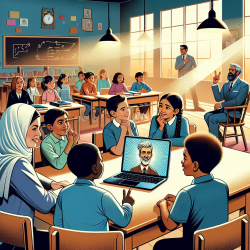
This is where TinyEYE's online therapy services can play a pivotal role. By offering remote support to schools, we help alleviate some of the burdens on educators. Our services ensure that students receive consistent care, even when staffing shortages occur. This not only supports students' well-being but also aids in maintaining an effective learning environment.
TinyEYE's innovative approach allows schools to access specialized support without geographical constraints. This is particularly beneficial for rural areas where attracting qualified staff is challenging. By integrating technology into education, we can bridge gaps and provide much-needed assistance where it's most needed.
The path forward involves collaboration between educational institutions, governments, and service providers like TinyEYE. By addressing staffing shortages strategically, we can create an environment where educators thrive and students succeed.
For more information, please follow this link.