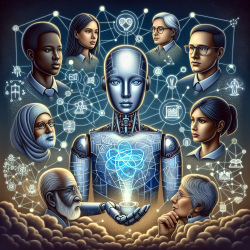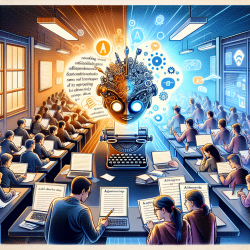
In the ever-evolving landscape of education, technology continues to play a pivotal role in shaping how students approach academic writing. The emergence of artificial intelligence (AI) tools has introduced a new dimension to this process, offering both opportunities and challenges. This blog delves into the reasons behind the increasing use of AI in academic writing, the ethical concerns it raises, and how students can strike a balance between leveraging AI's benefits and maintaining originality and credibility.
Why Students Turn to AI for Academic Writing
The primary allure of AI tools in academic writing lies in their ability to streamline the writing process. Students often face tight deadlines and an overwhelming workload, making time management a critical skill. AI tools provide a solution by expediting various stages of writing, from brainstorming to editing.
- Speeding Up the Writing Process: AI tools help students quickly generate ideas and organize their thoughts, reducing the time needed to draft an entire paper.
- Overcoming Writer's Block: Writer's block is a common hurdle that students encounter. AI tools offer suggestions and prompts that can inspire creativity and help overcome mental roadblocks.
- Enhancing Writing Quality: For non-native English speakers or those struggling with language nuances, AI tools like Grammarly offer grammar checks and vocabulary enhancements, ensuring a polished final draft.
The Ethical Concerns Surrounding AI in Academic Writing
While AI offers significant advantages, its use is not without ethical considerations. The reliance on AI-generated content raises questions about originality, plagiarism, and information accuracy.
- Plagiarism Risks: One of the foremost concerns is that AI-generated content might inadvertently lead to plagiarism. As AI tools do not always provide proper citations or source links, students risk presenting unoriginal work as their own.
- Information Accuracy: Although AI can produce coherent text, it may not always understand the context or provide accurate information. This necessitates careful review and verification by students.
- Maintaining Originality: There is a delicate balance between using AI as an aid and ensuring that the student's voice remains dominant in their work. Students must be cautious not to let AI overshadow their critical thinking skills.
Navigating the Balance Between Assistance and Originality
The challenge lies in using AI responsibly while maintaining academic integrity. Here are some strategies students can employ:
- Cite Properly: When using information generated by AI, it's crucial to cross-check facts with credible sources and cite them accurately.
- Edit Thoughtfully: Use AI for initial drafts but ensure that final edits reflect personal insights and critical analysis.
- Acknowledge Limitations: Recognize that while AI can assist with language mechanics, it cannot replace the depth of human thought required for analysis and original content creation.
The Path Forward: Embracing AI While Upholding Integrity
The integration of AI into academic writing is inevitable as technology continues to advance. However, educators and institutions must guide students on how to use these tools ethically. Policies should emphasize the importance of originality while leveraging technology for efficiency.
This ongoing dialogue about AI's role in academia underscores the need for balanced regulations that encourage innovation without compromising academic standards. By fostering awareness around ethical considerations, we can harness the potential of AI to enhance learning while preserving the integrity of scholarly work.
The journey towards mastering academic writing is complex, but with responsible use of technology like AI, students can navigate it more effectively. For more information on this topic, please follow this link.