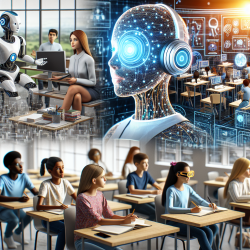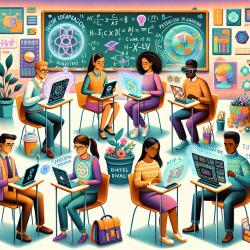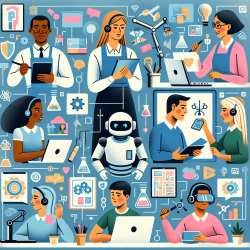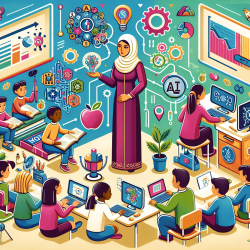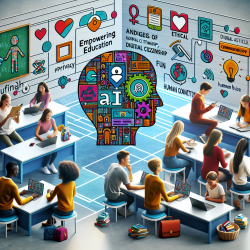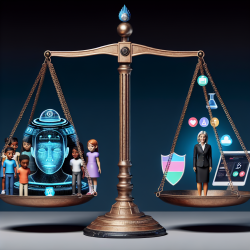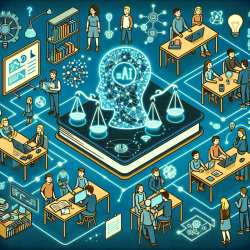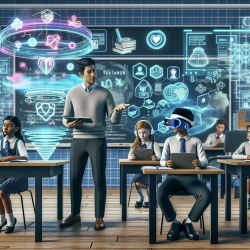
The integration of artificial intelligence (AI) into high school education is a transformative trend reshaping how teachers and students engage with learning processes. While AI promises personalized learning and efficiency, it also raises ethical concerns, challenges around academic integrity, and questions about equitable access. This blog delves into the current role of AI in high school education, examining institutional responses, adoption patterns among teachers and students, impacts on learning outcomes, and prevailing ethical concerns.
Institutional Responses
The rapid rise of AI technology presents significant challenges for educational institutions in policy development. A 2024 survey by the National Center for Education Statistics revealed that only 31% of schools had policies on student AI use. However, 60% of educators reported these policies were unclear to them or their students. This gap underscores the difficulty schools face in formulating coherent and effective AI policies amid rapidly evolving technologies.
Challenges in Educator Training
Despite efforts to provide AI training for teachers, significant challenges remain. While 67% of schools report offering AI training during the 2024-25 school year, 68% of teachers did not engage with these programs. This disconnect may indicate issues with training quality or accessibility. External initiatives like the National Academy for AI Instruction aim to fill these gaps by providing comprehensive training through partnerships with major tech companies.
Teacher Adoption of AI Tools
The adoption of AI tools by teachers has increased significantly. In the 2024-25 school year, 60% of K-12 teachers reported using AI tools for tasks ranging from grading to creating teaching materials. While this suggests a normalization of AI usage in educational settings, it also highlights the need for guidance on effective implementation.
Diverse Applications
- Grading and Customization: Teachers use AI to grade assignments and tailor instruction.
- Language Learning: Tools like ChatGPT assist with language skills and improve accessibility.
This expansion indicates a growing comfort with integrating AI into various aspects of teaching.
Student Adoption of AI Tools
A significant number of students are also engaging with AI. A 2024 survey found that 70% of teens have used generative AI tools, primarily for homework assistance. This widespread use reveals both opportunities for enhanced learning support and challenges related to equitable access.
Diverse Demographics
- Diverse Use: Black and Latinx students report higher usage rates but also face gaps in awareness compared to their white peers.
This pattern highlights disparities in digital literacy and access to technology education.
Ethical Concerns
The integration of AI into education brings several ethical concerns that need attention:
- Privacy Risks: Extensive data collection raises concerns about surveillance and autonomy.
- Bias Issues: AI systems can perpetuate existing biases affecting diverse student groups.
Tackling Ethical Challenges
A collaborative approach involving educators, policymakers, and tech developers is essential to address these ethical challenges and ensure that AI enhances educational equity rather than undermining it.
Synthesis and Implications
The exploration of AI's role in high school education reveals a landscape marked by rapid adoption but persistent challenges. Schools must bridge the gap between policy creation and implementation while ensuring equitable access to both technology tools and literacy education. Addressing ethical concerns is crucial for fostering an environment where AI can truly enhance educational outcomes.
The journey towards effective AI integration is complex but offers immense potential for transforming educational practices. For more information on this topic, please follow this link.