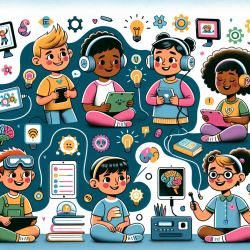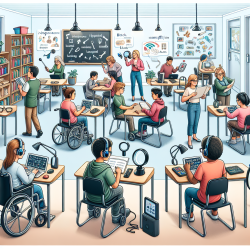
Attention Deficit Hyperactivity Disorder (ADHD) is a prevalent condition affecting approximately 8.4% of children worldwide. It presents challenges such as impulsivity, hyperactivity, and inattentiveness, which can significantly impact academic performance. As the educational landscape evolves, so too do the tools available to support these students. Assistive technology (AT) offers promising solutions to help children with ADHD succeed in mainstream school environments.
The Scope of Assistive Technology
A systematic literature review conducted by Emily Black and Marie Hattingh from the University of Pretoria explores various AT solutions available to support children with ADHD. Their research categorizes assistive technologies into three primary types: wearables, mobile technology and applications, and computer-based technologies.
Wearable Technology
Wearables like the Child Activity and Sensitivity Training Tool (CASTT) are designed to aid children with ADHD by monitoring physical and psychological states. Devices like smartwatches can provide discreet reminders to help maintain focus without disrupting the classroom.
Mobile Applications
Mobile apps such as ProceduralPal and TaskTracker offer practical assistance by breaking down daily tasks into manageable steps. These apps promote time management and task completion through visual aids and reminders.
Computer-Based Technologies
Computer-assisted training programs like Cogmed Working Memory Training aim to improve cognitive functions that are often impaired in children with ADHD. By offering tailored exercises that adjust in difficulty based on user performance, these programs strive to enhance working memory and attention.
The Debate on Effectiveness
The literature review reveals mixed conclusions regarding the effectiveness of assistive technologies for ADHD. While many educators see the potential benefits, some argue that these technologies could be intrusive or lead to over-reliance on digital tools. Concerns also exist around increased screen time potentially exacerbating conditions like anxiety or depression in children with ADHD.
Navigating Challenges in Implementation
The successful implementation of AT requires comprehensive training for educators and support staff to ensure they can effectively integrate these tools into their teaching strategies. Additionally, involving children in the design process of new technologies may enhance their effectiveness by aligning them more closely with user needs.
The Future of Assistive Technology in Education
The ongoing development of assistive technologies offers hope for creating more inclusive educational environments. As these tools become more sophisticated and accessible, they hold the potential to level the playing field for students with ADHD by providing customized support that addresses their unique learning challenges.
The journey towards optimizing assistive technology for ADHD is ongoing. With continued research and innovation, these tools can empower children with ADHD to reach their full potential in educational settings.
For more information, please follow this link.