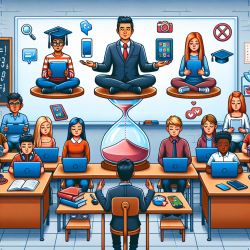
The integration of digital devices into educational settings has become increasingly prevalent. While these tools offer significant benefits, they also introduce new challenges, particularly concerning student distraction and performance. The Programme for International Student Assessment (PISA) 2022 sheds light on these issues by examining how digital device usage correlates with student outcomes in mathematics and their sense of belonging at school.
The Distraction Dilemma
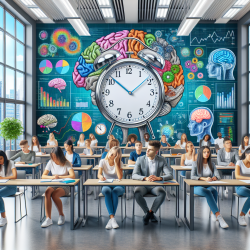
According to PISA 2022 findings, nearly one-third of students across OECD countries reported frequent distractions due to digital devices during mathematics lessons. The impact of such distractions is evident in lower mathematics scores among affected students compared to their peers who experience minimal distractions.
- 30% of students reported being distracted by digital devices in most or all mathematics classes.
- Countries like Argentina, Uruguay, and Chile reported higher distraction rates than countries like Japan and Korea.
The Role of Digital Devices in Learning and Leisure
PISA data indicates that moderate use of digital devices for learning can enhance academic performance. Students who engage with digital tools for learning between one to five hours daily score approximately 20 points higher in mathematics than those who do not use such devices at all. Conversely, excessive use of devices for leisure activities correlates with lower academic performance and a diminished sense of school belonging.
- Students spending over an hour on leisure activities with digital devices score lower in mathematics.
- Excessive social networking or internet browsing for fun leads to a decrease in academic performance.
Navigating the Balance: The Goldilocks Principle
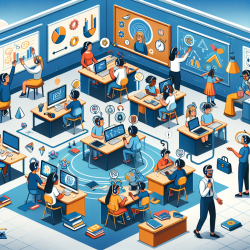
The "Goldilocks hypothesis" suggests that a moderate amount of device usage is beneficial and not inherently detrimental to students' academic success. It emphasizes finding a balance where digital tools are used effectively for educational purposes without becoming a source of distraction.
Strategies for Schools and Educators
To mitigate the negative effects of digital distractions, schools can adopt several strategies:
- Implementing Clear Guidelines: Establish rules regarding the appropriate use of digital devices during class time.
- Enhancing Digital Literacy: Equip students with the skills needed to navigate digital environments responsibly.
- Professional Development for Teachers: Provide training focused on integrating ICT skills into teaching methodologies.
The Importance of Teacher Training
PISA 2022 highlights the significance of teacher training in reducing classroom distractions. Teachers who have received professional development related to ICT report fewer instances of student distraction due to digital devices. This underscores the need for ongoing teacher education to maintain an effective learning environment.
A Collaborative Effort: Schools and Families
Building partnerships between schools and families is crucial. By fostering open communication about the challenges and benefits of digital device usage, parents can support their children's educational journey more effectively. Additionally, enhancing parents' understanding of digital literacy can lead to more informed decisions regarding their children's screen time at home.
The findings from PISA 2022 underscore the delicate balance required when integrating digital devices into educational settings. By promoting responsible usage and equipping both students and teachers with the necessary skills, schools can harness the potential of technology while minimizing its drawbacks.
For more information, please follow this link.