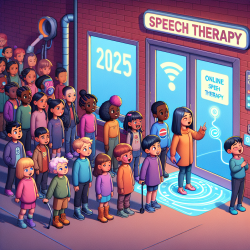
British Columbia’s Speech Therapy Reality: Two Systems, Two Very Different Timelines
If you’re a parent or educator in British Columbia trying to access pediatric speech-language therapy, you may feel like you’re navigating two separate worlds.
On one side is a public system delivered through Health Authorities—often stretched thin, triaging urgent needs, and struggling with long waits. On the other side is a government-subsidized private market that becomes far more accessible when a child has a specific neurodevelopmental diagnosis, particularly Autism Spectrum Disorder (ASD).
This is often described as a “diagnosis-driven” model: the label a child receives can determine access to services more than the child’s day-to-day functional communication needs. As a special education professional, I’ve seen how this can create confusion, inequity, and missed windows of opportunity—especially for young children in the most critical years for early language development.
1) Public Health Authority Services: Why Families Describe a “Desert” of Care
In BC, preschool speech therapy is typically delivered through Public Health Units across Health Authorities such as Island Health, Fraser Health, and Vancouver Coastal Health. In 2024 and 2025, many regions reported unprecedented strain, with suburban and semi-rural areas feeling the impact most intensely.
Island Health: The Comox Valley and Victoria Wait-Time Crisis
Vancouver Island has become a clear example of what happens when demand outpaces capacity. Families in the Comox Valley and Victoria regions have reported wait times of 12 to 18 months for an initial assessment.
To understand what that means in real life, consider a toddler referred at 18 months because they have few or no spoken words. A 12-month wait can mean the first meaningful appointment doesn’t happen until age three—after a major portion of the early intervention window has already passed.
Health Authorities often prioritize based on severity, but when referral volume is extremely high, “moderate” needs can sit for over a year. Many families also report a triage approach where they receive a brief consultation or a parent education packet rather than ongoing therapy. While parent coaching can be valuable, it is not a substitute for direct, individualized intervention for children with complex needs (for example, suspected apraxia, severe receptive language challenges, or significant social communication differences).
Fraser Health: The “Drop-In” Model—Fast Contact, Slow Treatment
In Fraser Health (including Surrey, Langley, and Burnaby), high-volume “drop-in” clinics can create quicker initial contact—sometimes a short screening that lasts only minutes. Parents may be able to self-refer, which sounds promising.
But quick screening does not automatically lead to quick therapy.
The drop-in approach can reduce administrative backlogs, yet families still face delays moving from that first touchpoint into consistent, scheduled therapy—especially for children who need intensive, weekly intervention rather than general strategies.
2) The Autism Funding Unit (AFU): When a Diagnosis Unlocks a Different System
BC is notable for its explicit reliance on private providers for autism intervention. Through the Ministry of Children and Family Development (MCFD), the Autism Funding Unit (AFU) provides:
- $22,000 per year for children under age six
- $6,000 per year for children aged six to eighteen
This funding can be used to purchase private speech-language pathology services, which has created a large, subsidized private market.
In practice, this can be life-changing for families who can access it quickly. But the key issue is the gateway: funding requires a formal ASD diagnosis.
The Assessment Bottleneck: BCAAN Waits Can Approach 1.5 Years
Public autism assessments through the BC Autism Assessment Network (BCAAN) have become a critical choke point. As of late 2024/2025, the average wait time for a BCAAN assessment in Vancouver was reported at 73.8 weeks—nearly 1.5 years.
This creates a “holding pattern” that is especially painful for families whose children clearly need support now. They may be unable to access timely public speech therapy due to Health Authority waitlists, while also being unable to access AFU-funded private therapy because the diagnosis process is not complete.
Private Diagnostic Assessments: Faster—But Often Financially Out of Reach
Some families bypass the public wait by seeking private assessments through psychologists or multidisciplinary teams. Private assessments may be available in under a month, but they often cost $3,000 to $4,000.
This is where the diagnosis-driven model becomes a socioeconomic filter. Families with disposable income can secure a diagnosis quickly and then access publicly subsidized therapy funding. Families without that financial flexibility may wait years—during the very period when intervention can have the greatest impact.
3) The Private Therapy Market: Stronger Than Public Access, But Still Tight
Even once funding is secured—or for families paying out of pocket—private therapy access in BC has its own constraints.
- Availability: Clinics in Victoria and Vancouver may accept new clients, particularly for daytime appointments.
- Prime-time scarcity: After-school hours (roughly 3:30 PM to 5:30 PM) and Saturdays are highly competitive and often come with internal waitlists.
- Cost: Private rates commonly range from $150 to $180 per hour, among the highest in Canada, influenced by the cost of living in major centres.
For families without AFU funding or strong extended health benefits, these costs can put consistent therapy out of reach.
4) Rural and Indigenous Communities: The Gap Widens Further
Access challenges are most acute for Indigenous communities and families living in rural or northern BC. While some funding streams exist (including Jordan’s Principle in certain circumstances), funding does not automatically create services when there are few or no local providers.
Reports indicate that in rural or northern BC, children may wait up to three years for public services—sometimes aging out of preschool eligibility before receiving meaningful support.
Teletherapy can be a partial solution, but it is not a magic wand. Internet connectivity, device access, and the developmental needs of very young children can limit what is possible through a screen without thoughtful planning and support.
5) What Schools Can Do Now: Practical Steps That Reduce Harm While Waiting
Whether you’re a school leader, a classroom teacher, or a student services team member, long waitlists don’t pause a child’s learning. The goal is to reduce “lost time” by supporting communication in the environments where students spend their days.
High-impact supports schools can implement immediately
- Build communication into routines: predictable turn-taking, visual schedules, and consistent language models help students participate even before therapy begins.
- Use classroom-friendly visuals: choice boards, first/then boards, and simple core word displays can reduce frustration and increase independence.
- Support comprehension: short directions, paired gestures, and “check for understanding” routines benefit many learners, not only those with identified needs.
- Document functional impact: clear examples of how communication affects learning and social participation can strengthen referrals and help prioritize services appropriately.
- Partner with families: share a small number of doable strategies rather than overwhelming handouts; consistency across home and school matters.
6) Where Online Therapy Fits: A Realistic Option When In-Person Capacity Is Limited
When local provider shortages and scheduling bottlenecks are the barrier, online therapy can expand access—especially for schools that need consistent service delivery across a district, including rural communities.
TinyEYE Therapy Services is an online option that supports schools in delivering therapy to students when in-person staffing is difficult to secure. Online delivery can help reduce missed service minutes, improve continuity, and connect students with qualified clinicians regardless of geography.
For many students, especially school-aged learners, virtual therapy can be effective when it is:
- scheduled consistently within the school day
- supported by an on-site facilitator when needed
- connected to classroom goals and functional participation
- paired with practical strategies teachers can use between sessions
Importantly, online therapy can also help schools respond sooner—so students are not waiting months (or years) for support that affects literacy, learning, behaviour, and peer relationships.
7) The Takeaway: Access Should Follow Need, Not Just a Label
BC’s current landscape places many families in an impossible position: wait for public services, pay privately, or wait for a diagnosis that unlocks funding—while a child’s communication needs continue every day at home and at school.
From a special education perspective, the most concerning outcome isn’t simply the wait itself—it’s what the wait costs: reduced participation, increased frustration, avoidable academic gaps, and stress on families and educators trying to fill the void.
Schools can’t fix the system alone, but they can choose service models that reduce delays, expand reach, and prioritize functional communication. Online therapy is one practical tool that can help close the gap—especially in communities where the gap has become the norm.
For more information, please follow this link.