The Midwest’s Two Realities: World-Class Care and Widening Gaps
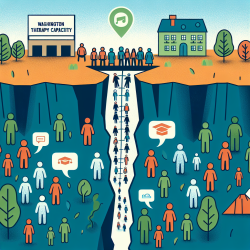
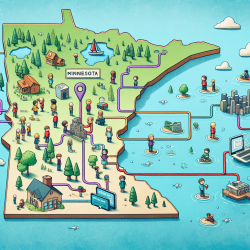
The Midwest is known for strong healthcare hubs—think Chicago, Indianapolis, Minneapolis, and Cleveland. These regions are home to high-quality hospital systems and specialty programs that families trust. Yet across the same states, many communities—especially rural areas—face a very different reality: limited providers, long travel distances, and waitlists that stretch from months into years.
For schools, this creates a daily tension. Students need speech-language therapy, occupational therapy, mental health supports, and other related services to access learning. But families may be stuck navigating a system where “insurance-covered” services exist in theory, while “available” services are a different story entirely.
In this regional market analysis of the Midwest, two themes stand out:
- Insurance vs. private pay friction is especially intense near major medical centers that accept insurance but have massive waitlists.
- Rural service gaps can be so severe that families have no local options and must choose between long commutes or teletherapy.
For districts trying to meet IEP timelines and provide consistent services, these realities aren’t just market dynamics—they’re barriers to student progress. TinyEYE works with schools to provide online therapy services that help close these gaps in practical, student-centered ways.
Illinois: The Prescription Bottleneck (and Why It Matters to Schools)
Illinois is a strong example of how administrative requirements can slow down care even before therapist availability becomes the main issue. The Chicago metro area dominates the Illinois market, and families often look to large hospital systems for evaluation and treatment. But a unique barrier in Illinois adds a layer of friction: the prescription mandate.
The Operational Hurdle: A Required Physician Prescription
In Illinois, a physician’s prescription or referral is required for evaluation and treatment. This requirement is more than a formality—it can function as a gatekeeper. Families may be ready to move forward, but they cannot begin until they secure an appointment with a physician, obtain the proper documentation, and then re-enter the therapy intake process.
From a special education lens, this kind of bottleneck can create a mismatch between educational urgency and medical system pace. Schools are working on instructional impact and access to learning, while families are simultaneously navigating medical prerequisites that may not align with school timelines.
Wait Time Disparity: Hospital Systems vs. Private Practice
In Illinois, the gap between hospital-based/insurance-based services and private practice models is striking:
- Hospital/Insurance routes commonly involve long waitlists—often 6–9 months at high-demand centers.
- State or free programs can be even longer, with parent-reported experiences describing waits as long as 2.5 years.
- Private practice models often market speed and convenience, with some promising connections in two weeks or less and positioning themselves as alternatives to clinic waitlists.
This isn’t just a pricing story—it’s an access story. Families who can pay out of pocket may get services quickly. Families relying on insurance may face a long delay, even in a city filled with major medical centers.
Marketing Insight: “Concierge Navigation” Is the Real Opportunity
In Illinois, one of the clearest opportunities is not simply “more therapists,” but better navigation. The biggest delays often happen in the steps around therapy:
- Coordinating the prescription/referral
- Verifying insurance
- Managing intake paperwork
- Finding an available provider who matches the child’s needs
Services that reduce administrative friction—by helping families coordinate documentation and streamline intake—are positioned to stand out. For schools, this insight matters because families often turn to school teams for guidance when the medical system feels impossible to navigate.
Illinois wait time estimate:
- Private/Concierge: about 2 weeks
- Hospital/State: 6+ months
Ohio: Urban Competition vs. Rural Therapy Deserts
Ohio highlights a different Midwest pattern: strong competition and quick access in major cities, paired with severe shortages in rural counties. It’s a state where a family in Columbus may find “no waitlist” messaging everywhere, while a family in a rural area may have no local provider at all.
Urban Agility: “No Waitlist” as a Competitive Advantage
In Columbus and Cleveland, private clinics compete aggressively on availability. Many providers use direct, urgent language in their marketing—promising immediate scheduling once intake is complete and emphasizing that they are accepting new clients now.
This kind of messaging tells us something important: in urban Ohio, speed is a major differentiator. Families have likely experienced delays elsewhere, and clinics know that “no waitlist” is compelling.
The Specialist Bottleneck Still Exists
Even in competitive urban markets, there is a second layer: specialized expertise. Some centers maintain waitlists not because they lack general capacity, but because specific credentials, tools, or niche experience are scarce. In special education terms, this is what happens when a student needs a particular approach—not just “therapy,” but the right kind of therapy.
For schools, this can show up when a student requires:
- A highly specific AAC approach or device support
- A clinician experienced with complex profiles
- Consistency with a specialized intervention model
When specialization is limited, even cities with many providers can experience bottlenecks.
Rural Crisis: When “No Providers” Becomes the Reality
The most urgent issue in Ohio is rural access. Reports indicate that some rural Ohio counties have had zero available therapists for early intervention. In these cases, families are forced into difficult choices:
- Long commutes (often multiple times per week)
- Going without services during critical developmental windows
- Turning to teletherapy as the only feasible option
From a school perspective, rural shortages can directly impact compliance and equity. If related services are not accessible locally, districts may struggle to staff positions and students may experience interrupted or inconsistent support.
Ohio wait time estimate:
- Columbus/Cleveland private: about 1–3 weeks
- Specialized/Rural: about 4–8 months
What This Means for Schools: Turning Market Barriers into Service Solutions
Whether the barrier is administrative (Illinois) or geographic (Ohio), the impact on students is similar: delayed services, missed momentum, and increased stress for families and school teams. Schools don’t control the healthcare market, but they can control how reliably students receive school-based services.
Online therapy can be a practical response to Midwest realities because it helps districts:
- Reduce staffing gaps by expanding the pool of qualified providers beyond local geography
- Improve consistency when in-person hiring is unstable or positions go unfilled
- Support rural students who would otherwise face long commutes or no access
- Maintain service delivery when community waitlists are measured in months, not weeks
At TinyEYE, we provide online therapy services to schools with the goal of making access more consistent and student-centered—especially in regions where the system is stretched thin. When schools can provide timely support, students spend less time waiting and more time building skills that matter in the classroom and beyond.
For more information, please follow this link.