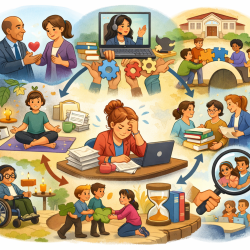

The field of special education is uniquely challenging, especially for new teachers who must navigate not only the complexities of teaching but also the additional demands of supporting students with diverse needs. As a result, burnout and attrition rates among special education teachers are alarmingly high. To address this issue, educators and administrators need effective strategies to support new teachers in building resilience and staying committed to their profession. This blog delves into the causes of burnout and attrition in special education and introduces the SMIRC framework as a proactive solution.
The Challenges of Burnout and Attrition
Burnout is a psychological condition characterized by emotional exhaustion, depersonalization, and reduced personal accomplishment. For special education teachers, burnout often arises from high stress levels due to workload demands, lack of administrative support, and large caseloads. The consequences of burnout extend beyond individual teachers to affect student engagement and educational outcomes.
Attrition, or the rate at which teachers leave the profession, is another significant concern. Research indicates that nearly one-third of new special education teachers leave the field within their first three years. This turnover exacerbates teacher shortages and negatively impacts students with disabilities who benefit from stable, experienced educators.
Introducing the SMIRC Framework
The SMIRC framework is designed to equip educator preparation programs (EPPs) with strategies that enhance teacher resilience and retention. Developed during the 2022-2023 school year by special education faculty in a high-poverty county, SMIRC provides practical tools for new teachers to navigate their roles effectively.
Self-care (S)
Engaging in self-care is essential for managing stress and preventing burnout. EPPs can incorporate self-care discussions into coursework and provide opportunities for teacher candidates to develop sustainable wellness plans. Activities such as social-emotional check-ins or creating self-care plans can be embedded into courses to promote well-being.
Management of Time and Responsibilities (M)
New teachers often feel overwhelmed by their workloads. EPPs can prepare candidates by offering hands-on experiences with caseload management tasks such as data collection and IEP writing. Structured field experiences can help bridge theory with practice, equipping future educators with necessary skills before they enter the classroom.
Identify Support and Resources (I)
Support from colleagues and access to resources are vital for new teachers. EPPs can encourage involvement in professional organizations like the Council for Exceptional Children, which offer networking opportunities and practical resources. Additionally, meaningful professional development tailored to specific needs can bolster teacher confidence and capability.
Relationship-building (R)
Strong relationships with students, families, and colleagues are foundational for effective teaching. EPPs should emphasize strategies for building authentic connections through coursework assignments or role-playing exercises. Creating communication plans with families or collaborating with multidisciplinary teams can enhance these relationships.
Collaboration (C)
Collaboration is key in special education settings where teachers work alongside various professionals. EPPs can prepare candidates by modeling collaborative practices or hosting workshops that focus on co-teaching strategies. Mentorship programs also provide valuable support for new teachers navigating complex team dynamics.
The Road Ahead
The SMIRC framework offers a comprehensive approach to addressing burnout and attrition among new special education teachers by focusing on resilience-building strategies within EPPs. By implementing these practices, schools can better support educators in managing their responsibilities while fostering environments conducive to long-term retention.
For more information on strategies to combat burnout and attrition in special education teachers, please follow this link.