The primary mission of schools is to support students in achieving educational success. However, to truly reach this goal, students must feel safe, supported, and ready to learn. A significant factor that impacts a student's ability to learn is their personal experiences, especially those involving trauma. By age sixteen, two-thirds of children in the United States have experienced a potentially traumatic event. These experiences can profoundly influence their learning and achievement.
A recent report highlights that communities with higher adverse childhood experiences (ACEs) scores tend to have higher suspension rates and lower graduation rates. This underscores the need for schools to become "trauma-informed," recognizing that mental health and wellness are integral to students' classroom success and overall school environment.
What Does It Mean to Be "Trauma-Informed?"
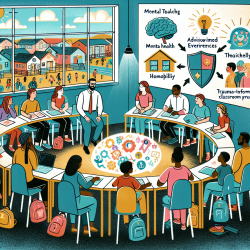
A trauma-informed school approach involves a tiered strategy that creates an environment with clear expectations, open communication, and a collective commitment to a safe and nurturing culture. This approach supports all students, staff, administrators, and families who might be at risk of experiencing traumatic stress symptoms.
- Tier 1: Universal strategies that promote safe environments and healthy students.
- Tier 2: Early intervention for at-risk students and staff.
- Tier 3: Intensive support for those needing more focused interventions.
The Challenges
The effects of trauma can manifest as behavioral changes, emotional distress, academic failure, or even psychiatric disorders like PTSD. These reactions disrupt the school routine not only for the affected child but also for peers and teachers. Trauma can lead to reduced instructional time and increased disciplinary actions.
Recent research emphasizes the unique impact of grief and loss on youth exposed to traumatic events. Grief can exacerbate traumatic stress reactions, leading to disengagement from school.
The Opportunities
Schools are uniquely positioned to identify and address students' traumatic stress symptoms due to their central role in children's lives. By teaching emotional regulation skills and fostering strong adult-student relationships, schools can help change the course of children's lives while achieving their educational goals.
A trauma-informed approach builds resilience by preparing schools to be responsive to their communities' needs with accessible social, behavioral, and emotional supports.
What Does a Trauma-Informed School Look Like?
A trauma-informed school system recognizes the impact of trauma on behavior, relationships, and academics. It promotes a safe climate by minimizing unnecessary trauma reminders and building positive relationships among staff and students. Anti-bullying programs and restorative justice practices are integral components.
The Role of the Framework
The NCTSN System Framework provides guidance for creating trauma-informed schools by focusing on core areas that improve educational systems while supporting those at risk. It is not prescriptive but offers strategic guidance adaptable to each school's context.
This framework is rooted in the Multi-Tiered Systems of Support (MTSS) model that integrates trauma-informed concepts across all tiers while considering broader contexts like community partnerships.