In California, I hear the same concern from families and school teams across regions: “We know our child needs speech therapy, but we can’t find consistent services.” Whether you’re in a large district navigating therapist shortages or a family trying to coordinate appointments around work, transportation, and school schedules, access can be the hardest part of speech-language support.
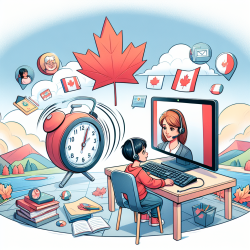
That’s where online speech therapy (often called teletherapy) has become a practical, effective option for many California students. And while teletherapy is now widely used in schools, many families are surprised to learn they can also access private online speech therapy when they need support beyond what the school can provide.
This post breaks down what online speech therapy in California looks like today, what families should look for, and how TinyEYE’s private online speech therapy service can help fill gaps in a way that is flexible, student-centered, and aligned with best practices.
Why Online Speech Therapy Is Growing in California
California is a large, diverse state with equally diverse needs. In my role overseeing special education services, I see several recurring factors driving interest in online speech therapy:
Provider shortages and vacancies: Many districts and communities experience ongoing difficulty recruiting and retaining speech-language pathologists (SLPs), especially in hard-to-staff areas.
Scheduling barriers: Families may struggle to fit in-person appointments into work schedules, childcare needs, and transportation realities.
Geographic distance: In rural or remote areas, the nearest clinic may be far away, and travel time adds stress and missed instruction.
Continuity of services: Students benefit from consistent therapy. Teletherapy can reduce cancellations due to weather, transportation, or minor disruptions.
Comfort and engagement: Many students respond well to learning in a familiar environment with interactive digital tools.
Online speech therapy is not “less than” in-person therapy when it’s delivered by qualified clinicians using evidence-based approaches. For many students, it’s simply a different service delivery model that can increase access and consistency.
What Online Speech Therapy Typically Supports
Online speech therapy can address a wide range of speech and language needs, depending on the student’s profile and the clinician’s scope of practice. Common areas include:
Speech sound production (articulation and phonological patterns)
Language development (receptive and expressive language skills)
Social communication (pragmatic language, conversation skills, perspective taking)
Fluency (stuttering support and strategies)
Voice support (as appropriate and clinically indicated)
Early communication skills and parent coaching components when needed
It’s important to note that the “right fit” depends on the student. Some students do best with a hybrid approach. Others thrive fully online. A quality provider will help determine what is appropriate and will communicate clearly about goals, progress, and home practice.
How Teletherapy Works (What Families Can Expect)
Families new to online speech therapy often imagine a simple video call. In practice, strong teletherapy programs are more structured and interactive than that. A typical experience includes:
Secure online sessions: Therapy is delivered through a secure platform designed for clinical services.
Individualized goals: Goals are based on an evaluation and ongoing progress monitoring, not generic activities.
Engaging digital materials: Clinicians use interactive activities, visuals, games, and structured practice tasks to keep students motivated.
Family involvement when helpful: Especially for younger students, families may be asked to support attention, behavior, or carryover between sessions.
Clear communication: Families should receive updates on progress, strategies, and recommended practice.
From an educational leadership perspective, the biggest indicator of success is not whether therapy is online or in-person. It’s whether the therapy is consistent, data-informed, individualized, and delivered by qualified professionals.
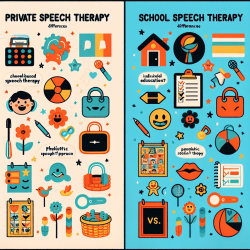
School-Based Services vs. Private Online Speech Therapy in California
This is a key point for families to understand. School-based speech therapy and private speech therapy can both be valuable, but they are not the same service and they often have different purposes.
School-based speech therapy is designed to support a student’s access to education. Services are typically tied to educational impact and IEP goals.
Private speech therapy can address broader communication needs and may provide additional frequency or focus areas that are not part of the school plan.
Some families pursue private online speech therapy to:
Supplement school services when progress is slower than expected
Support skills outside of school impact (for example, community communication goals)
Maintain momentum during school breaks
Get started sooner while waiting for evaluations or service changes
As always, families should communicate with their school team so everyone understands what supports are in place. When school and private providers collaborate appropriately, students benefit from consistent strategies and aligned goals.
What to Look for in an Online Speech Therapy Provider in California
Because teletherapy is growing quickly, families should ask thoughtful questions before starting. Here are practical considerations I recommend:
Clinician qualifications: Confirm the therapy is provided by a licensed SLP (and that services are provided in compliance with applicable California requirements).
Experience with children and school-age needs: Pediatric therapy is specialized. Ask about experience with your child’s age group and goals.
Data and progress monitoring: Ask how progress is measured and how often you will receive updates.
Family communication: You should know the goals, the plan, and how to support carryover at home.
Technology support: A strong provider helps families get set up and reduces tech stress.
Consistency and scheduling: Reliability matters. Ask about attendance policies, make-ups, and how scheduling works.
Online therapy should feel professional, organized, and individualized. If it feels generic, unclear, or inconsistent, it’s reasonable to keep looking.
How TinyEYE Supports Families Through Private Online Speech Therapy
TinyEYE is widely known for providing online therapy services to schools, especially when staffing shortages make it difficult to deliver consistent services. That same commitment to access and quality can be extended through TinyEYE’s private online speech therapy service for families who want support outside of the school day or beyond school-based services.
From a special education leadership lens, what stands out about a strong teletherapy partner is the ability to deliver:
Student-centered therapy: Sessions are built around individualized goals and meaningful outcomes, not one-size-fits-all activities.
Consistency: Regular sessions and structured planning help students build skills over time.
Family-friendly access: Online services reduce travel time and can make it easier to maintain therapy routines.
Collaboration mindset: When families want to align strategies with school supports, collaboration and communication are key.
For California families, this can be especially helpful when local availability is limited or when a child needs additional support to build confidence, clarity, and functional communication skills in everyday life.
Practical Tips to Help Your Child Succeed With Online Speech Therapy
Families can make teletherapy even more effective with a few simple routines:
Create a consistent therapy space: A quiet spot with minimal distractions helps attention and participation.
Use headphones if possible: This can improve sound quality and reduce background noise.
Log in a few minutes early: A calm start improves engagement and reduces stress.
Ask for home practice ideas: Even 5 minutes a day of targeted practice can accelerate progress.
Celebrate small wins: Communication growth is often incremental. Confidence matters.
When students feel successful and supported, they’re more likely to take communication risks, practice new skills, and generalize what they learn into real conversations.
Final Thoughts
Online speech therapy in California is no longer a “backup plan.” For many families, it’s a smart, effective way to access qualified support with fewer logistical barriers. Whether you’re supplementing school services, seeking more consistent scheduling, or simply trying to start sooner, private online speech therapy can provide a clear path forward.
TinyEYE’s experience supporting schools through teletherapy positions it well to support families looking for structured, student-centered private online speech therapy. The goal is the same: help students communicate more effectively and confidently, so they can participate fully in learning and in life.
For more information, please follow this link.