California’s “Saturation Economy” in Pediatric Therapy: Fast Access (If You Can Pay)
California is the largest and one of the most complicated pediatric therapy markets in the United States. Families, schools, and providers are navigating a system shaped by two big realities:
- California is huge, and access looks different from one region to another.
- In many places, speed has become a product—something you can “buy” if you have the resources.
This is sometimes described as a “pay-for-speed” trend. In plain terms: families who can pay out-of-pocket often get services quickly, while families relying on public systems or certain insurance pathways may wait months.
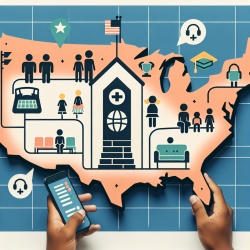
Why California Feels Like Many Markets, Not One
California’s geography creates micro-markets. A family in the Bay Area may face different options and timelines than a family in Los Angeles, San Diego, or a more rural area. Even within the same city, availability can vary by neighborhood, provider type, and appointment time.
For school-aged students, one factor matters more than many people realize: scheduling. Children ages 5–17 are usually in school during the day, so families often need after-school appointments. That single detail can turn “available now” into “waitlist required.”
Private Clinics: “No Waitlist” Is Often a Premium Feature
In major metro areas like Los Angeles, San Diego, and the Bay Area, private practices frequently manage their schedules in ways that reduce barriers to getting started. Many clinics market availability as a key selling point—because they know families are comparing timelines as much as credentials.
What “No Waitlist” Can Really Mean
Some clinics explicitly advertise that they have openings. For example, Bright Stars Pediatric Speech Therapy in Anaheim markets “no waitlist,” but also notes a waitlist for after-school appointments (3:00 PM and later). That detail is important. It highlights a common friction point in California:
- Clinics may have daytime availability.
- But “prime time” after-school slots can be scarce.
For working families and school-aged children, after-school access is often the difference between therapy that’s realistic and therapy that’s technically available but hard to attend.
Immediate Access Models: Speed as a Service
Some providers build their brand around rapid entry. The Speech Improvement Center (with multiple locations across Los Angeles) promotes a holistic, multidisciplinary approach and “immediate” assessment capabilities. Other practices, such as Sound It Out Speech Therapy (serving LA and Orange County), emphasize in-home services and teletherapy to reduce the limits of physical clinic space.
These models share a similar message: “We can start sooner.” In a market where many families have already been waiting, that message is powerful.
University Clinics: Affordable, Helpful, and Often Seasonal
University-based clinics can be an important resource. Facilities like the CSUSM Speech-Language Clinic (California State University San Marcos) may offer low-cost or free services. For many families, that can be the difference between getting support and going without.
However, university clinics typically operate on a semester schedule. That means availability is tied to the academic calendar, not necessarily to when a child is identified as needing therapy. Families may experience what can feel like “seasonal waitlists,” where services ramp up and slow down depending on the term.
University clinics can be a great option, but they often require flexibility and planning—two things that are hard when a child needs help right now.
Hospital and Public Sector: The Longest Waits
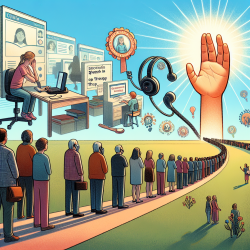
The sharpest disparity in California shows up in the hospital and public sectors. Families relying on Regional Center funding or large hospital systems may face delays of 6 to 12 months.
Several forces contribute to these long wait times, including workforce challenges. Coastal California’s high cost of living makes it difficult to recruit and retain speech-language pathologists (SLPs) for in-person roles. Mid-level clinicians may relocate to lower-cost states or shift to teletherapy positions, leaving physical hospital roles harder to fill.
When staffing is thin, waitlists grow. And when waitlists grow, families with fewer resources often have the fewest alternatives.
Marketing in California: “Anxious Affluence” and the Promise of Speed
In many California metro areas, private clinics tend to target what could be described as “anxious affluence”—parents who are worried about their child’s progress and willing to pay out-of-pocket to avoid long delays.
The key message is often simple and direct:
- “Don’t wait for the school/state.”
This message resonates because families are often balancing multiple pressures at once: school concerns, social-emotional stress, behavior changes, and the fear that time lost now will be harder to recover later.
What Wait Times Typically Look Like
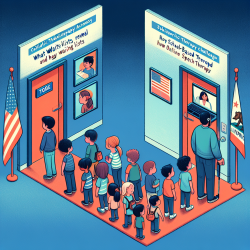
While timelines vary by region and provider, the overall pattern in California often looks like this:
- Private pay: approximately 1–3 weeks
- Insurance/Regional Center pathways: approximately 3–9 months (and in some public/hospital settings, 6–12 months)
These ranges are not guarantees, but they reflect a consistent theme: speed is more available when families can pay directly.
Why This Matters for Schools (and What Schools Can Do)
From a special education perspective, long therapy waitlists don’t just affect families—they affect classrooms. When students can’t access timely services, schools may see:
- Slower progress toward IEP goals
- Increased frustration or avoidance behaviors
- Reduced participation in class discussions and group work
- More pressure on school teams to “fill gaps” without enough provider capacity
Schools are often doing everything they can, but California’s market conditions can make staffing and service delivery difficult—especially when the same “prime time” scheduling problem exists for school-based providers too.
A Practical Option: Online Therapy Services Through Schools
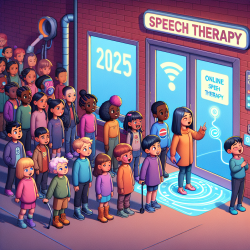
One way districts can reduce service disruptions is by adding online therapy capacity. TinyEYE provides online therapy services to schools, helping teams support students when in-person staffing is limited or when schedules and geography make consistent service delivery challenging.
Online therapy can be especially helpful when:
- Positions are unfilled or hard to recruit for
- Caseloads are high and timelines are tight
- Students need consistent sessions to make progress
- Schools want to reduce missed services and improve continuity
In a “pay-for-speed” environment, school-based access can be a stabilizing force—helping students receive services through their educational setting rather than relying solely on outside systems with long waits.
For more information, please follow this link.