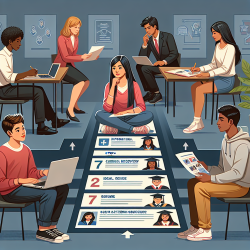
Career planning is a process (not a one-time decision)
Many high school students feel pressure to “pick a career” as if it’s a single choice you make once and then never revisit. In reality, career planning is a developmental process that unfolds over time. You learn more about yourself, you try new experiences, and your interests sharpen as you gain skills and confidence.
At TinyEYE, we work with schools every day and see how much students benefit when adults help them break big decisions into smaller, manageable steps. Career planning becomes much less overwhelming when you treat it like a series of thoughtful actions you can take throughout high school.
Start with self-knowledge: interests, temperament, and values
A strong career plan starts with understanding who you are. Before you focus on job titles, take time to examine three key areas:
Interests: What topics or activities keep your attention? What do you enjoy learning about, even when it’s challenging?
Temperament: How do you naturally operate? Do you prefer working with people or independently? Do you like fast-paced environments or predictable routines?
Values: What matters most to you in a future job? Helping others, creativity, stability, leadership, flexibility, earning potential, or something else?
These questions are not “extra.” They are the foundation. When students skip this step, they often choose paths that look good on paper but don’t feel right day-to-day.
7 career planning tips that are practical and doable
1. Establish tentative personal and career goals (and write them down)
Start by creating goals that are tentative—meaning you’re allowed to adjust them as you learn more. Writing goals down helps you turn vague ideas into a plan you can actually follow.
Try setting goals in two time frames:
Short-range goals: What you want to do this semester or this year (courses to take, clubs to join, grades to improve, skills to build).
Long-range goals: What you want to pursue after high school (college, trade school, military, apprenticeships, certifications, or entry-level work paired with training).
One important reminder: most careers require education or training beyond high school. That doesn’t always mean a four-year degree, but it usually does mean continued learning. Your plan should connect your future lifestyle goals with the training needed to support them.
2. Discuss your goals with counselors, teachers, and family
You don’t have to figure this out alone. Talking with trusted adults can help you notice strengths you might overlook and identify options you didn’t know existed.
When you ask for input, try this approach:
Share your current goals and what interests you.
Ask what careers they think match your strengths.
Invite suggestions, then evaluate them alongside your own ideas.
This is also a great time to ask for help with planning courses, exploring programs, or connecting with community resources.
3. Explore occupations and gather career information
Career exploration is like building a personal library of possibilities. As you research, keep your materials organized so you can compare options later.
Consider creating a simple career binder or digital folder where you store:
Articles about careers that interest you
Program brochures or training pathways
Notes about job duties, work environments, and salary ranges
Education or certification requirements
As you gather information, focus on one key question: What education or training is required to pursue this career? That answer will shape the choices you make in high school and after graduation.
4. Conduct informational interviews
An informational interview is a conversation with someone who already works in a job you’re curious about. This step can be a game-changer because it moves career planning from “internet research” to real-life insight.
To get started:
Ask your counselor, teachers, or family members if they can connect you with someone in the field.
Prepare a short list of questions ahead of time.
Take notes (and always ask permission if you want to record the conversation).
Helpful questions include:
What does a typical day look like in your job?
What do you like most and least about this work?
What training or education was required?
What skills matter most for success?
What would you tell a high school student who’s interested in this field?
If possible, ask about arranging a visit to see the work environment. Seeing a workplace in action can clarify whether a career matches your preferences and strengths.
5. Develop a resume of activities, honors, and achievements
Even if you’re not applying for a job yet, it’s smart to begin a resume now. High school resumes can include more than paid work. They can highlight leadership, responsibility, and commitment.
Include items such as:
Clubs, sports, and extracurricular activities
Volunteer work and community involvement
Awards, honors, and recognitions
School projects, presentations, or competitions
Part-time jobs, babysitting, lawn care, or family responsibilities (when relevant)
This resume becomes a helpful tool later for job applications, scholarships, program admissions, and volunteer opportunities.
6. Assemble a list of admission requirements and qualifications
Different pathways have different entry requirements. Two- and four-year colleges, military programs, trade schools, and specialized training programs may ask for specific courses, GPA ranges, test scores, applications, interviews, or physical requirements.
Create a comparison list that includes:
Application deadlines
Required courses or prerequisites
Minimum GPA or test scores (if applicable)
Required essays, recommendations, or portfolios
Costs, financial aid options, and scholarship opportunities
This step helps you see how competitive you are right now and what you can do to strengthen your application over time.
7. Visit colleges or other education and training sites
A website can’t tell you everything. Visiting a campus or training site helps you picture yourself there and evaluate whether the environment fits your learning style and goals.
When you visit, consider doing the following:
Talk to professors, instructors, or program administrators
Interview current students about their experience
Sit in on a class if possible
Tour facilities and explore student supports
Read bulletin boards and pick up newspapers or program materials
Bring a list of questions and keep track of key contacts, including names, phone numbers, and email addresses.
Most importantly, confirm that the program offers the education or training you need for your career choice. Ask about graduate outcomes, including job placement or internship opportunities.
Websites to help you get started
If you’re ready to explore careers right away, these sites can help you research options and plan next steps:
A final note for students and the adults supporting them
Career planning works best when it’s steady and supportive. Students don’t need to have everything figured out immediately—they need a plan for exploration, reflection, and next steps. When schools and families normalize this process, students are more likely to choose pathways that fit their strengths and lead to long-term satisfaction.
For more information, please follow this link.