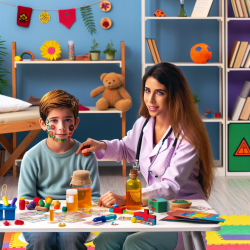
In recent years, the conversation around psychotherapy has increasingly focused on its effectiveness, particularly within educational settings. As a Special Education Director, it is crucial to understand how therapeutic interventions can be optimized to benefit students. This blog will delve into key insights from renowned experts in the field, shedding light on how empirical evidence can enhance therapy practices in schools.
The Importance of Evidence-Based Practice
The integration of science and practice is vital in ensuring that therapy provided to students is both effective and meaningful. According to Dr. Martin Drapeau, a clinical psychologist, psychologists must interpret empirical evidence to give true meaning to their practices. This involves understanding not only the efficacy of different treatments but also how these treatments can be tailored to individual student needs.
Empirical evidence has shown that psychotherapy is beneficial across various contexts, including schools. However, navigating this wealth of information can be challenging for educators and therapists alike. The Ordre des Psychologues du Québec emphasizes bridging the gap between research and practice to facilitate informed decision-making in therapeutic interventions.
How Can Schools Improve Therapeutic Effectiveness?
Dr. Conrad Lecomte highlights the need for schools to adopt practices that integrate both research findings and clinical expertise. This approach ensures that therapy is not only based on proven methods but also adaptable to the unique characteristics of each student.
- Real-Time Monitoring: Dr. Michael J. Lambert advocates for real-time monitoring of psychotherapy treatment response as an effective way to track student progress and make necessary adjustments.
- Therapist Competence: The effectiveness of therapy is closely linked to the therapist's skills and their ability to form a strong therapeutic alliance with students.
- Feedback Mechanisms: Incorporating feedback from students about their therapeutic experiences can significantly enhance therapy outcomes.
The Role of Empirically Supported Therapists
Dr. David R. Kraus underscores that while empirically supported treatments are essential, the role of the therapist cannot be underestimated. Effective therapists are those who continuously evaluate their practice and adapt their techniques based on empirical data and feedback from their clients.
This approach not only improves individual therapy sessions but also contributes to a broader understanding of what works in school settings. By fostering an environment where therapists are encouraged to share knowledge and collaborate, schools can create a more supportive atmosphere for student growth.
Conclusion: Moving Forward with Confidence
The integration of empirical evidence into psychotherapeutic practices within schools holds great promise for enhancing student outcomes. By focusing on evidence-based practices, real-time monitoring, and therapist competence, schools can ensure that they are providing high-quality support to students in need.
For more information on this topic, please follow this link.