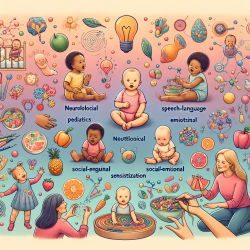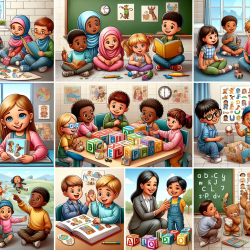
The journey of a child's educational development begins long before they step into a kindergarten classroom. The foundation laid during the early years is critical for future academic success. The Rainin Foundation, in collaboration with NORC at the University of Chicago, conducted extensive literature reviews to identify effective practices and programs that prepare children from birth to age five for kindergarten readiness and beyond.
Key Predictors of Kindergarten Readiness
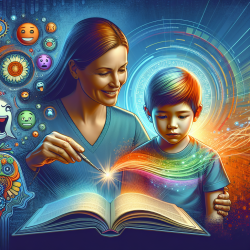
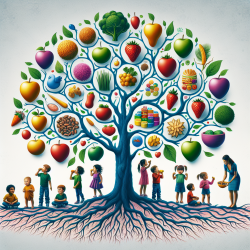
The research highlights several key predictors of kindergarten readiness, emphasizing the importance of language arts, social-emotional development, approaches to learning, math, and science. These areas are crucial in shaping a child's ability to thrive in an academic environment.
- Language Arts: Programs that develop phonological awareness, phonics and decoding, oral language, writing, fluency, reading comprehension, and book reading have shown significant effects on students’ readiness.
- Social-Emotional Development: This includes emotional regulation skills such as emotion knowledge, self-awareness, empathy, and social interaction skills like respecting others and understanding fairness.
- Approaches to Learning: Skills such as persistence, attention, motivation, curiosity, and structured learning behaviors are integral to a child’s ability to engage with educational content.
Effective Curricula and Programs
The review identified 53 curricula and programs through 621 individual studies, with 26 meeting all criteria for effectiveness. These programs were evaluated based on rigorous design and statistical significance.
K-2 Language Arts: Programs with Large Effects
- Lexia+
- Reading Recovery
- Sound Partners
- SpellRead
The common active ingredients among these programs include phonological awareness and phonics. Such programs have shown larger effects with first graders compared to kindergarteners and second graders, particularly among African-American students.
K-2 Science: Programs with Large Effects
- Science IDEAS+
- Scientific Literacy Project+
- Project Clarion
The integration of science into early education facilitates child-directed exploration and problem-solving opportunities. It also helps make connections between literacy and math through science-based topics.
K-2 Social-Emotional Development: Programs with Medium to Large Effects
- First Step to Success
- P.A.T.H.S (Promoting Alternative Thinking Strategies)
The active ingredients include perspective-taking, role-playing, and positive reinforcement. These programs help children develop emotional regulation skills crucial for interacting positively with peers.
The Role of Educators in Implementing Effective Practices
The success of these programs heavily relies on the educators who implement them. Teachers should be provided with comprehensive support including mentoring, workshops, and continuous assessments of students’ progress. Differentiated instruction tailored to each student’s needs is also vital.
A multi-disciplinary approach can provide the most significant benefits by integrating content learning across various domains such as science and math with language arts. This holistic approach encourages critical thinking and collaboration among students while developing foundational skills.
A Call to Action for Schools
The findings underscore the importance of selecting evidence-based curricula that have been rigorously evaluated for effectiveness. Schools should prioritize professional development opportunities for teachers that focus on implementing these effective practices.
The journey towards academic excellence begins early. By focusing on these key areas of development from a young age, educators can lay a solid foundation for lifelong learning.
If you are interested in learning more about effective practices in K-2 literacy instruction or wish to explore the detailed research findings further, please follow this link.