As we strive towards achieving Sustainable Development Goal 4 (SDG 4), which aims to ensure inclusive and equitable quality education for all by 2030, a major obstacle stands in our way: the global teacher shortage. This crisis threatens not only the educational prospects of millions of children but also the broader goals of sustainable development and global citizenship.
The Scope of the Problem
According to UNESCO, nearly 69 million new teachers are needed worldwide by 2030 to meet the demand for universal primary and secondary education. Regions such as sub-Saharan Africa and Southern Asia are particularly affected due to rapidly growing populations and existing educational gaps. However, even high-income countries like the United States and Australia are experiencing shortages exacerbated by recent challenges such as the COVID-19 pandemic.
Impacts on Education Systems
The lack of qualified teachers impacts student learning outcomes and exacerbates existing inequalities. Without enough teachers, class sizes increase, working conditions deteriorate, and teacher morale declines. This creates a vicious cycle where poor conditions lead to higher attrition rates, further intensifying the shortage.
Strategies for Attraction and Retention
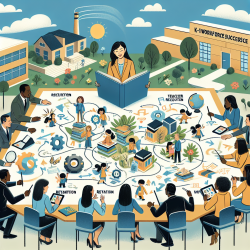
To combat this issue, systems must employ comprehensive strategies that address both attraction and retention:
- Improving Compensation: Raising teacher salaries can make the profession more competitive with other careers requiring similar qualifications. For instance, Thailand's reforms that increased teacher pay resulted in a significant rise in applicants to teaching programs.
- Enhancing Working Conditions: Addressing issues like large class sizes, inadequate resources, and lack of professional development opportunities can improve job satisfaction and retention.
- Professional Development: Providing continuous training and career advancement opportunities can boost morale and motivation among teachers.
Equitable Deployment of Teachers
Ensuring that qualified teachers are distributed equitably across regions is crucial. Strategies include offering incentives for teachers to work in underserved areas and utilizing data-driven approaches to understand deployment needs better. The Gambia's hardship allowance for teachers in remote schools is one example of an effective incentive program.
Gender Balance in Teaching
The teaching profession faces gender imbalances at various levels. While women dominate primary education roles, they are underrepresented in secondary and tertiary positions. Addressing these disparities involves creating safe working environments for women in remote areas and encouraging their participation in STEM fields through targeted scholarships and initiatives.
A Collaborative Effort
Tackling the global teacher shortage requires collaboration among governments, educational institutions, and international organizations. By implementing holistic policies that raise the status of teaching as a profession, we can ensure that all students receive quality education regardless of their location or background.
For more information on effective approaches to attract and retain teachers, please follow this link.