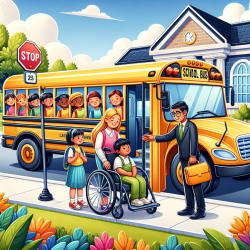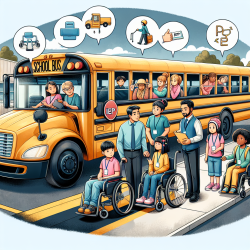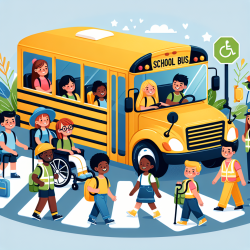
Transportation plays a pivotal role in ensuring that students with disabilities receive the education they deserve. For many families, the school bus is more than just a vehicle—it's a lifeline that connects children to their educational opportunities. Understanding the unique needs of these students and implementing appropriate transportation services is crucial for fostering an inclusive educational environment.
The Role of Transportation in Special Education
Transportation is considered a "related service" under the Individuals with Disabilities Education Improvement Act (IDEIA), which mandates that all children with disabilities have access to a Free Appropriate Public Education (FAPE). This includes ensuring that students can travel safely to and from school, enabling them to participate fully in their educational programs.
The IDEIA outlines specific components of transportation services, such as:
- Travel to and from school and between schools;
- Travel within school buildings;
- Specialized equipment like adaptive buses, lifts, and ramps.
Understanding the Legal Framework
The legal requirements surrounding transportation for students with disabilities are comprehensive. Section 504 of the Rehabilitation Act of 1973 ensures that no qualified disabled individual is excluded from participation or denied benefits under any program receiving federal financial assistance. This includes the right to transportation services comparable to those provided to non-disabled students.
Additionally, under Part B of the Education for All Handicapped Children Act (now IDEIA), schools are required to provide specialized transportation when it is necessary for a child to benefit from their special education program. These laws emphasize the importance of transporting children with disabilities in the same manner as their non-disabled peers whenever possible.
The Individualized Education Program (IEP) Process
The IEP process is central to determining the specific transportation needs of each student. The IEP team, which includes educators, parents, and when necessary, transportation staff, collaborates to create an Individualized Transportation Plan (ITP) as part of the student's IEP when transportation is deemed a related service. This plan addresses legal considerations and ensures that all necessary accommodations are made for safe travel.
Guidelines for Safe and Effective Transportation
Ensuring safe transportation involves comprehensive training programs for school administrators, drivers, attendants, and other relevant staff. Key training components include:
- Understanding special education requirements and characteristics of disabling conditions;
- Legal issues surrounding transportation services;
- Operational policies such as loading/unloading procedures and emergency evacuation drills;
- Management of behavior and medical emergencies during transport.
Moreover, special attention must be given to the securement and operation of specialized equipment on school buses. Drivers and attendants must be proficient in using child safety restraint systems (CSRSs) and other assistive devices to ensure each student's safety during transit.
Nurturing Independence Through Safe Travel
The overarching goal of these transportation services is not only to ensure safety but also to empower students with disabilities by promoting independence and equal participation in educational activities. By adhering to established guidelines and laws, schools can offer reliable transportation that meets each child's unique needs.
For more information on this topic, please follow this link.