The concept of College and Career Readiness (CCR) has evolved significantly over the years, driven by the need to prepare students for a dynamic global workforce. As educators, policymakers, and stakeholders continue to refine their understanding of CCR, it becomes essential to explore how these strategies translate into real-world outcomes for students.
Understanding College and Career Readiness
CCR is not just about academic proficiency; it encompasses a broader spectrum of skills and dispositions necessary for success in postsecondary education and careers. The National Forum on Education Statistics defines CCR as efforts in K-12 education systems designed to prepare students with the knowledge, skills, and dispositions necessary to pursue higher education and career paths.
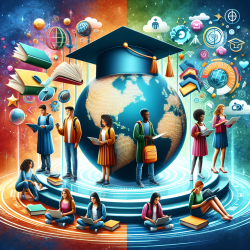
The evolving landscape of CCR highlights the importance of integrating both college readiness and career readiness into education systems. While college readiness focuses on preparing students for postsecondary education, career readiness emphasizes equipping them with skills for immediate entry into the workforce. These dual pathways ensure that students have the flexibility to choose their future trajectories based on their interests and strengths.
The Role of Data in CCR Strategies
Data plays a crucial role in shaping CCR strategies by providing insights into student progress and identifying areas for improvement. Education agencies collect a wide range of data metrics to evaluate both leading indicators (predictive data collected at the K-12 level) and lagging indicators (postsecondary education and workforce outcomes).
- Leading Indicators: These include on-time high school graduation rates, GPA, state assessment performance, and participation in advanced coursework such as Advanced Placement (AP) or International Baccalaureate (IB) programs.
- Lagging Indicators: These capture postsecondary outcomes such as college enrollment rates, persistence in postsecondary programs, employment rates, and wage data.
By analyzing these metrics, educators can make informed decisions about program improvements and interventions needed to support student success.
Building Community Partnerships for CCR
Successful CCR initiatives often involve strong community partnerships that provide students with real-world learning experiences. For instance, Great Falls Public Schools (GFPS) in Montana has developed partnerships with local industries to offer programs like Build Montana, which introduces students to the construction industry through hands-on training with local businesses. Such collaborations not only enhance student engagement but also align educational offerings with local workforce needs.
Similarly, Milwaukee Public Schools (MPS) has partnered with local colleges to streamline the college application process for students through initiatives like Milwaukee Direct Admit. This program reduces barriers to college admissions by simplifying application requirements and guaranteeing admission to participating colleges.
Navigating Challenges in CCR Implementation
Despite the progress made in CCR strategies, challenges remain. One significant hurdle is tracking career readiness outcomes due to limited access to comprehensive workforce data. Many states rely on partnerships with labor departments or third-party organizations to bridge this gap.
Furthermore, defining and measuring "soft skills" or "employability skills" remains complex. These skills are critical for workplace success but are often difficult to quantify. Agencies are exploring innovative approaches to assess these competencies through student surveys or work-based learning evaluations.
The Future of College and Career Readiness
As we look toward the future of CCR, it is essential to continue refining data collection methods and fostering collaboration among stakeholders. By leveraging technology and innovative practices, education systems can better prepare students for the diverse opportunities that await them beyond high school.
The journey toward effective CCR is ongoing, requiring adaptability and commitment from all involved parties. By prioritizing both academic achievement and skill development, we can empower every student to succeed in their chosen path.
For more information on College and Career Readiness Data, please follow this link.