The Individualized Education Program (IEP) is a cornerstone of special education, designed to meet the unique needs of students with disabilities. A crucial component of this process is family engagement, which plays a vital role in shaping a child's educational journey. At TinyEYE, we believe that empowering families through active participation in the IEP process is essential for fostering student success.
The Five Beliefs of CCR IEP
The College and Career Ready (CCR) IEP framework is built on five core beliefs:
- High Expectations: Every student should be encouraged to reach their full potential.
- Culturally Responsive Practices: Understanding and respecting diverse cultural backgrounds enriches the educational experience.
- Student Relationships: Building strong connections with students enhances learning outcomes.
- Family and Community Engagement: Collaboration between families and schools strengthens student support systems.
- Collective Responsibility: All stakeholders share the responsibility for student success.
The CCR IEP Five-Step Process
The CCR IEP process is structured into five steps to ensure comprehensive support for students:
- Understand Achievement: Assessing a student's current level of achievement and functional performance is essential. Resources like the Wisconsin Model Early Learning Standards guide this assessment.
- Identify Effects of Disability: Recognizing how a disability impacts participation in the general curriculum helps tailor educational strategies.
- Develop Goals: Setting measurable annual goals and establishing progress reporting mechanisms are key to tracking student advancement.
- Align Services: Providing appropriate special education services and ensuring participation in various educational environments supports holistic development.
- Analyze Progress: Using both informal and formal assessments to evaluate progress ensures that goals are being met and adjustments are made as necessary.
The Role of Family Engagement
A successful IEP process hinges on meaningful family engagement. This involves more than just involvement; it requires active collaboration between families and educators. Here are some strategies to enhance this partnership:
- Develop Relationships: Schools should create welcoming environments that foster trust and open communication with families.
- Sustain Relationships: Ongoing dialogue between families and educators ensures that student needs are continually addressed.
- Link Families to Student Learning: Providing resources and strategies empowers families to support their child's learning at home.
Practical Tips for Effective Engagement
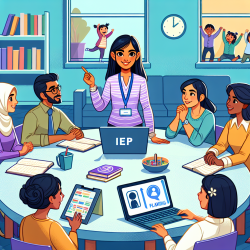
Cultivating positive relationships with families starts with proactive communication. During IEP meetings, school staff can enhance engagement by:
- Treating all participants with respect and understanding their perspectives.
- Listening deeply to concerns and demonstrating empathy.
- Encouraging parents to ask questions and express their thoughts freely.
Families also play a crucial role by preparing for meetings, discussing their child's progress with teachers, and actively participating in goal-setting discussions. Resources such as the IEP Checklist and Student Snapshot can help guide this preparation.
The journey through the IEP process is one of collaboration and shared responsibility. By fostering strong partnerships between families, schools, and service providers like TinyEYE, we can create an environment where every student thrives. For more information, please follow this link.