In the ever-evolving landscape of education, fostering a positive climate for learning is crucial. Schools that excel in this area understand the importance of empowering students through voice, agency, and leadership. This empowerment not only enhances educational outcomes but also builds a strong sense of school pride.
The Power of Student Voice
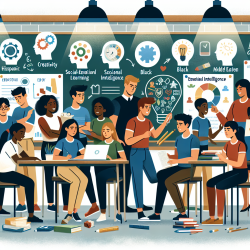
Student voice goes beyond merely giving students the opportunity to express ideas and opinions. It involves empowering them to influence change within their educational environment. Authentic student voice provides students with opportunities to collaborate with adults in deciding what and how they learn and how their learning is assessed.
This approach leads to improved educational outcomes as students feel more invested in their learning journey. Schools that activate student voice see it as an essential element in building student motivation and engagement. By establishing structures such as Student Representative Councils (SRCs), schools invite student opinions on various activities and policies, ensuring a wide range of students have a platform for meaningful feedback.
Nurturing Student Agency
Student agency refers to the autonomy and power students experience within the learning environment. It allows them to direct their own learning paths and take responsibility for their educational progress. Agency is closely linked with student voice, as it empowers students to become independent and self-regulating learners.
Effective schools provide opportunities for students to set individual learning goals alongside teachers. They offer scaffolding that enables students to solve problems independently while providing feedback that helps them assess their work. By doing so, schools create an environment where students can track their learning growth and present a sophisticated understanding of their achievements.
Cultivating Student Leadership
A common misconception is that student leadership is confined to a select group of individuals. In reality, leadership potential exists within all learners. Effective schools recognize this by providing structured leadership roles and training that help students develop skills such as communication and decision-making.
Schools committed to student leadership ensure inclusivity in their representative models. They actively involve student leaders in decision-making processes related to school rules, policies, and facilities improvement. This inclusive approach ensures that diverse student backgrounds are represented in leadership roles.
Building School Pride
A positive climate for learning is incomplete without school pride. Schools that successfully empower students create environments where achievement is celebrated at all levels. Regular opportunities for sharing accomplishments through assemblies, presentations, and newsletters help build connectedness among students.
This sense of belonging extends beyond academic achievements. Students feel well-connected to peers and teachers alike, fostering an atmosphere of care and support. As a result, both staff and students exhibit a deep sense of pride in their school community—a sentiment that resonates with parents and the broader community as well.
The Path Forward: Empowerment as a Foundation for Improvement
The journey towards building a positive climate for learning is ongoing. Schools must continuously strive to validate and embrace student voice, agency, and leadership as integral components of their improvement cycles. By doing so, they create environments that promote independence, self-motivation, and interdependence among learners.
For more information on empowering students and building school pride, please follow this link.