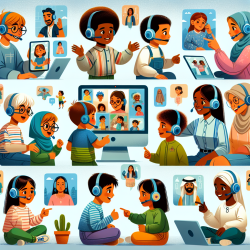
Across California, schools and families are working hard to meet the needs of students who benefit from pediatric therapy—whether that support is for speech and language, occupational therapy, mental health, or related services. At the same time, many districts face staffing shortages, long waitlists, and scheduling barriers that can delay care. Online pediatric therapy (often called teletherapy) has become a meaningful way to close gaps while keeping services consistent, student-centered, and aligned with educational goals.
TinyEYE provides online therapy services to schools, helping districts deliver high-quality support to students where they learn. When teletherapy is implemented thoughtfully, it can be engaging for children, efficient for school teams, and reassuring for families who want progress without disruption.
What Is Online Pediatric Therapy?
Online pediatric therapy is therapy delivered through a secure video platform. In a school-based model, students typically participate from a designated space at school with appropriate supervision and support. Therapy sessions are planned around educational needs and may be connected to a student’s IEP (Individualized Education Program) or other school support plans.
Online therapy is not “less than” in-person services. When the right tools, planning, and clinical expertise are in place, teletherapy can be highly effective—especially for students who benefit from visual supports, structured routines, and interactive digital activities.
Why California Schools Are Turning to Teletherapy
California is diverse in geography and student needs. Rural districts may struggle to recruit specialized clinicians, while urban districts may face high caseloads and turnover. Teletherapy offers flexibility without lowering standards.
Improved access: Students can receive services even when local providers are limited.
Consistency: Online therapy can reduce cancellations due to travel time, weather, or staffing gaps.
Efficient scheduling: Sessions can be built into the school day with fewer transitions.
Specialized matching: Schools can better match students with clinicians who have specific pediatric expertise.
Family-friendly collaboration: When appropriate, families can be included in meetings or check-ins without needing to travel.
Who Benefits from Online Pediatric Therapy?
Online pediatric therapy can support a wide range of learners. In special education, the key question is always: “Does this service help the student access and progress in their education?” For many students, the answer is yes—especially when teletherapy is individualized and coordinated with the school team.
Students with speech and language needs: articulation, phonology, language development, social communication, fluency, and pragmatic skills.
Students who need occupational therapy support: fine motor skills, handwriting readiness, sensory strategies, self-regulation, and classroom participation skills.
Students who benefit from mental health support: coping skills, emotional regulation, school anxiety, and social problem-solving (as provided within school service models).
Students who thrive with predictable routines: teletherapy often provides a consistent structure that can reduce stress.
Students who respond well to visual learning: many online tools naturally support visual cues, modeling, and interactive practice.
What an Effective Online Session Looks Like
Quality teletherapy is more than a video call. A strong session is carefully designed, developmentally appropriate, and connected to functional goals. In school settings, therapy should support classroom participation and educational access—not isolated “practice” that doesn’t generalize.
In a typical session, a therapist may:
Begin with a quick check-in and a simple visual agenda.
Target one or two priority skills aligned to the student’s goals.
Use interactive activities to practice skills in short, engaging bursts.
Embed supports such as sentence starters, visuals, or movement breaks.
Close with a brief recap and a “carryover” suggestion for the classroom or home.
For younger students or students with higher support needs, success often depends on thoughtful facilitation—such as a trained on-site staff member helping with attention, materials, or transitions.
How Online Therapy Supports IEP Services in California
In California schools, therapy services are often delivered as related services within special education. Teletherapy can support IEP implementation when it is provided by qualified clinicians, documented appropriately, and coordinated with the IEP team.
Strong school-based teletherapy includes:
Goal alignment: Therapy targets are clearly tied to IEP goals and educational impact.
Progress monitoring: Data is collected consistently and shared in understandable terms.
Collaboration: Therapists communicate with teachers, case managers, and families as appropriate.
Service delivery fit: The model (individual, small group, consultative) matches student needs.
Compliance and privacy: Secure platforms and professional documentation practices are non-negotiable.
Common Concerns Families and Educators Have (and What Helps)
It’s normal to have questions about online therapy—especially for younger children or students with attention challenges. The good news is that many concerns can be addressed with planning and the right supports.
“Will my child stay engaged?”
Engagement improves when sessions are short enough, interactive, and predictable. Therapists who specialize in pediatrics use frequent turn-taking, visuals, and movement breaks. Schools can also help by selecting a quiet space and ensuring the student is ready to learn.
“Is online therapy as effective as in-person?”
Effectiveness depends on the quality of the clinician, the fit for the student, and the consistency of services. Many students make excellent progress online—particularly when therapy is coordinated with classroom strategies and goals.
“What about technology issues?”
Reliable internet and a basic setup (device, camera, microphone) matter. Schools often designate a consistent location and routine to reduce disruptions. When minor tech issues happen, experienced teletherapists are prepared with backup plans and flexible activities.
Best Practices for Schools Implementing Online Pediatric Therapy
As a special education partner, TinyEYE focuses on making teletherapy workable in real school environments. The most successful programs typically share a few practical habits.
Establish a consistent therapy space: quiet, minimal distractions, and a comfortable seating arrangement.
Create a routine: same day/time when possible, with a predictable transition plan.
Support facilitation: identify who will help the student log in, stay on task, and transition back to class.
Communicate clearly: share schedules, goals, and progress updates with the team.
Focus on functional outcomes: skills that help the student participate in learning and school life.
How Families Can Support Progress (Without Becoming the Therapist)
Families are essential partners, but they shouldn’t be expected to “run therapy” at home. The most helpful role is often reinforcing small, realistic strategies that fit daily life.
Ask for one simple carryover idea: for example, a sentence frame to practice during dinner conversation.
Celebrate effort: progress in therapy can be gradual; confidence matters.
Share what you’re seeing: tell the school team what’s working (or not) at home.
Keep routines predictable: sleep, nutrition, and structure support learning and regulation.
Why TinyEYE’s School-Based Online Therapy Model Matters
When schools partner with TinyEYE, the goal is to make therapy accessible, consistent, and aligned with student success. Online therapy can be a powerful option for California districts seeking to maintain services, reduce gaps, and support students with specialized needs—without sacrificing quality or connection.
Most importantly, pediatric therapy is not just about skill-building in a session. It’s about helping a child participate more fully in school, communicate more confidently, and navigate learning with the right supports in place.
For more information, please follow this link.