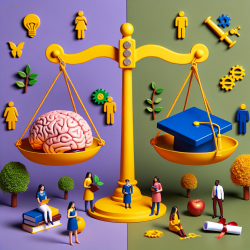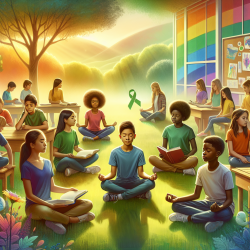
In the evolving landscape of higher education, there is a growing recognition that student well-being is more than just a peripheral concern. It is central to the mission of educational institutions. This perspective is not merely a trend but a fundamental shift towards understanding education as a transformative experience that nurtures the whole person.
Understanding Student Well-being
Well-being in the context of higher education refers to the holistic development of students. This includes their emotional, social, and academic growth. The concept extends beyond mere happiness or satisfaction; it encompasses flourishing, identity formation, purposefulness, and agency.
Efforts are underway across campuses to integrate well-being into curricula and co-curricular activities. These initiatives aim to create an environment where students can thrive both personally and academically.
The Connection Between Engaged Learning and Well-being
Engaged learning plays a pivotal role in fostering student well-being. When students participate in meaningful learning experiences that challenge and inspire them, they develop essential qualities such as resilience, self-esteem, and a sense of purpose. These experiences contribute significantly to their overall well-being.
- Civic Engagement: Involvement in civic activities helps students feel connected to their communities and instills a sense of social responsibility.
- Experiential Learning: Opportunities for hands-on learning enable students to apply theoretical knowledge in real-world contexts, enhancing their understanding and engagement.
- Supportive Educational Environment: Institutions that prioritize student well-being create supportive environments that foster academic success and personal growth.
Campus Initiatives Promoting Well-being
Numerous campuses have embarked on projects aimed at enhancing student well-being through innovative programs:
- Dartmouth College: Their "Mentoring With Purpose" program connects students with faculty and community leaders to foster social change and personal growth.
- Pitzer College: The "Global-Local Mentorship Project" fast-tracks students into civic engagement activities both locally and internationally.
- Simon Fraser University: This institution explores how academic units can systematically support student well-being through curriculum design and policy development.
The Challenge Ahead
The challenge for educators is to align institutional practices with the goal of promoting student well-being. This involves creating curricula that emphasize engaged learning opportunities and fostering environments where students can explore their identities and develop a sense of agency.
By prioritizing well-being as a core mission, higher education institutions can transform the educational experience into one that prepares students not only for careers but also for fulfilling lives as engaged citizens.
For more information, please follow this link.