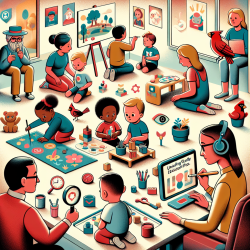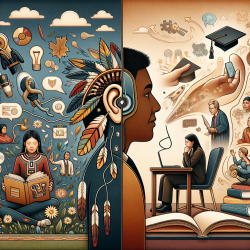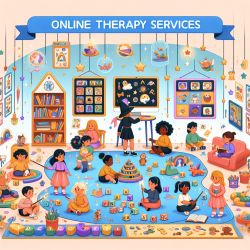
Early childhood is a transformative period in human development. It is during these formative years that children begin to build the foundation for their future learning experiences. Alberta's Kindergarten Program Statement emphasizes the significance of this stage by providing a comprehensive framework that supports diverse learning needs and prepares children for lifelong success.
Understanding Early Childhood Services (ECS)
Early Childhood Services (ECS) encompass a continuum of programs designed to meet the developmental needs of young children. These programs are crafted to support active learning and foster the development of essential skills and attitudes. The Kindergarten Program, a pivotal component of ECS, prepares children for Grade 1 by building on their existing knowledge and experiences.
The Guiding Principles of the Kindergarten Program
- Diverse Learning Paths: Recognizing that childhood experiences vary across cultural and social contexts, the program acknowledges multiple pathways to learning.
- Influence of Early Experiences: While early experiences shape development, they do not solely determine future outcomes. Rich interactions with peers and adults are crucial for growth.
- Learning in Varied Contexts: Children learn not only at home and school but also within their communities. A strong partnership between schools and families enhances this learning.
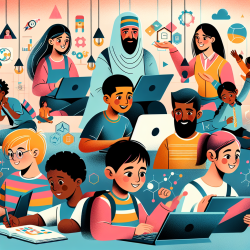
- Co-construction of Knowledge: Learning is a collaborative process where children engage in problem-solving and construct new knowledge through social interactions.
- Unique Contributions: Each child brings unique experiences to their learning environment, which educators can build upon to achieve program outcomes.
The Role of Creative Expression
The program encourages creative expression as a means for children to explore their thoughts and feelings. Through art, music, drama, and movement, children develop an appreciation for the fine arts while expressing themselves in diverse ways. This not only fosters creativity but also enhances self-awareness and confidence.
The Impact of Early Literacy and Numeracy
Language is the cornerstone of communication, and early literacy focuses on engaging children in acquiring language skills through various activities. Similarly, early numeracy introduces children to mathematical concepts embedded in everyday experiences such as sorting objects or recognizing patterns. These foundational skills are critical for later academic success.
Nurturing Personal and Social Responsibility
The Kindergarten Program also emphasizes personal and social responsibility. Children learn about themselves as they interact with others, developing friendship skills and participating in group activities. By fostering positive attitudes towards learning and encouraging independence, the program helps children become responsible citizens.
The Role of Physical Skills and Well-being
Physical activity is vital for children's growth and development. The program incorporates movement activities that enhance coordination, balance, and overall physical fitness. By understanding the importance of health and safety, children are better equipped to lead active lifestyles.
Supporting Diverse Needs
The Kindergarten Program recognizes that some children may require specialized programming or additional supports to meet their learning needs. By coordinating community services and providing appropriate interventions, schools can ensure that all children have access to quality education.
A Collaborative Approach to Assessment
Assessment in the Kindergarten classroom is an ongoing process that involves gathering information about children's learning. By engaging students in self-assessment and peer feedback, educators can support deeper understanding and encourage goal setting among young learners.
For more information on Alberta's Kindergarten Program Statement, please follow this link.