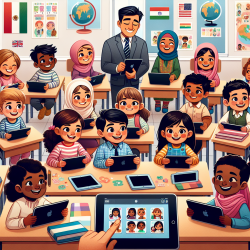
In recent years, iPads and other handheld digital devices have become staples in educational settings worldwide. As of October 2013, Apple had sold an impressive 170 million iPads, signaling their significant presence not only in our daily lives but also in schools. The educational community is abuzz with discussions about these devices' potential to revolutionize learning experiences.
Enthusiasts highlight the iPad's versatility, connectivity, and mobility, along with access to thousands of educational apps. However, not everyone is convinced. Some educators worry that iPads might overshadow traditional teaching methods rather than serve as complementary tools. Despite these mixed opinions, many American colleges and K-12 schools are adopting iPad initiatives to explore their benefits further.
The Impact of iPads on Student Engagement
A study conducted by Dr. Oraib Mango at California State University investigated the effects of iPads on student engagement in two foreign language classrooms. The study involved 35 students learning Arabic and revealed that using iPads significantly boosted their engagement and active participation during lessons.
- Behavioral Engagement: Students were more involved in classroom activities related to academic success when using iPads.
- Cognitive Engagement: Students showed a focused approach to learning tasks facilitated by the iPad's interactive features.
- Emotional Engagement: A positive attitude towards learning was evident as students enjoyed their tasks more when using the device.
The study's findings align with previous research indicating that technology enhances student motivation and engagement compared to traditional classroom settings. By using tablets, students participated more actively and collaborated effectively on projects, leading to a more student-centered learning environment.
The Role of Educational Apps
The success of integrating iPads into the classroom largely depends on the apps used for educational purposes. In Dr. Mango's study, apps like Educreations, Doodle Buddy, Aviary, StoryKit, ShowMe, Screen Chomp, and Comic Life played crucial roles in facilitating engaging learning experiences. These applications allowed students to work on mini-projects combining visual, aural, and oral skills while promoting creativity and collaboration.
Challenges and Considerations
Despite the positive outcomes reported by students, some challenges remain. A minority of participants felt that iPads were a distraction rather than a learning aid. This highlights the importance of strategic implementation and clear guidelines when incorporating technology into educational practices.
Moreover, while the study focused on first-year Arabic learners at a single institution, broader research is needed to generalize these findings across different subjects and educational levels. It is also crucial to remember that technology should complement traditional teaching methods rather than replace them entirely.
Conclusion
The integration of iPads into classrooms has shown promising results in enhancing student engagement and collaboration. As technology continues to evolve, educators must remain open-minded yet critical about its role in education. By carefully selecting apps and designing activities that foster active learning and collaboration, iPads can indeed become valuable tools for educators worldwide.
For more information on this topic, please follow this link.