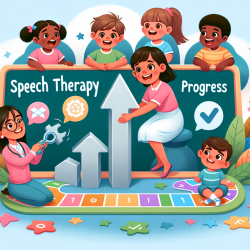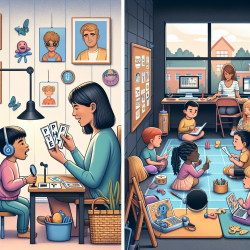

One of the most common questions schools and families ask is: “How long does speech therapy take to work?” The most accurate answer is that it depends on the student, the goal, and the consistency of support. The encouraging news is that many students show early signs of progress within weeks, while more complex skills may take months (or longer) to build and generalize across settings.
What “working” looks like in speech therapy
Progress is not always immediate or obvious. In special education, we often look for small, meaningful changes that indicate a student is learning the skill and beginning to use it more independently. “Working” might mean:
- Improved attention to speech sounds or language targets
- More accurate production in structured practice (with prompts)
- Better participation in classroom discussion
- Reduced frustration when communicating
- Increased carryover of skills to real-life situations
A realistic timeline: weeks to months
While every student is different, these timeframes are common in school-based therapy:
- First 2–6 weeks: Building rapport, completing assessment, setting goals, and establishing routines. Students may show quick gains in motivation, confidence, and awareness.
- 6–12 weeks: Noticeable improvement often appears in structured tasks. For example, a student may produce a target sound correctly during therapy or follow directions more consistently.
- 3–6 months: Skills become more consistent and begin to generalize beyond the therapy session. Teachers and caregivers may report clearer speech, stronger vocabulary use, or improved social communication.
- 6–12+ months: Students working on complex language, fluency, AAC, or multiple speech sound patterns may need longer timelines, especially when goals involve generalization across classes, peers, and environments.
What affects how quickly a student makes progress
- Type and severity of need: A single sound error may resolve faster than broader language or social communication needs.
- Attendance and consistency: Regular sessions and fewer interruptions matter.
- Practice between sessions: Short, targeted practice (even 3–5 minutes) can accelerate progress.
- Student readiness: Attention, motivation, and confidence influence learning.
- Support across settings: When strategies are reinforced in the classroom and at home, carryover improves.
How schools can help therapy “work” faster
- Align therapy goals with classroom demands (curriculum vocabulary, participation, comprehension)
- Share observations between educators and the SLP to adjust supports quickly
- Use simple cues consistently (for example, a reminder to “use your strong /r/”)
- Celebrate small wins to keep students engaged
At TinyEYE, our online therapy model is designed to support consistent service delivery and meaningful collaboration with school teams, helping students build skills that transfer into real classroom success.
For more information, please follow this link.