Introduction
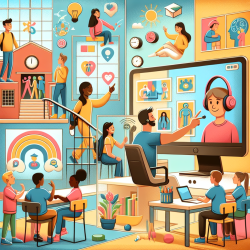
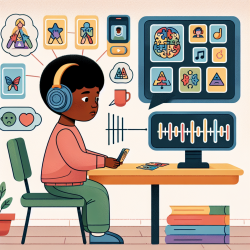
The COVID-19 pandemic has reshaped the way we approach healthcare, education, and global trade. As a Special Education Director, the challenge lies in navigating these changes to enhance the services provided to students, particularly those requiring online therapy. The research article titled "Policy responses to COVID-19: lessons for the global trade and investment regime" provides insights that can be leveraged to improve online therapy services, such as those offered by TinyEYE.
Understanding Policy Responses
The research highlights the diverse policy responses implemented by countries to manage the pandemic's impact, focusing on increasing access to essential health products and services. High-income countries relied heavily on subsidies, while middle-income countries leaned towards import and export measures. The study also identifies potential constraints posed by global trade and investment rules, which can impact policy implementation.
Applying Lessons to Online Therapy
For practitioners in the field of online therapy, understanding these policy dynamics is crucial. Here are some ways to apply the research findings to enhance service delivery:
- Adopt Flexible Policies: Encourage policy flexibility to adapt to changing needs, similar to the subsidies and measures used by high-income countries. This could involve investing in technology and training for therapists to ensure seamless service delivery.
- Leverage Global Partnerships: Just as countries collaborated on vaccine production, online therapy providers can form global partnerships to share resources and best practices, enhancing service quality and reach.
- Address Intellectual Property Challenges: Be aware of intellectual property constraints that may affect the adoption of new technologies or methodologies in therapy. Advocate for policies that support innovation while ensuring accessibility.
Encouraging Further Research
Practitioners are encouraged to delve deeper into the research to understand the broader implications of global trade policies on online therapy services. Engaging in webinars, conferences, and networking opportunities can provide additional insights and foster collaboration among professionals.
Conclusion
By implementing the lessons from the research, practitioners can enhance their skills and improve the delivery of online therapy services. Understanding the interplay between policy, trade, and innovation is key to navigating the challenges posed by the pandemic and future crises.
To read the original research paper, please follow this link: Policy responses to COVID-19: lessons for the global trade and investment regime.