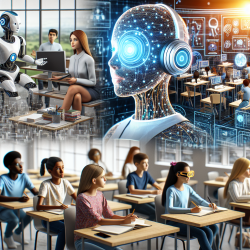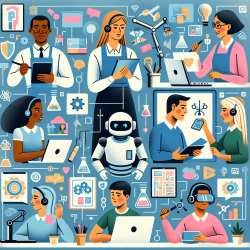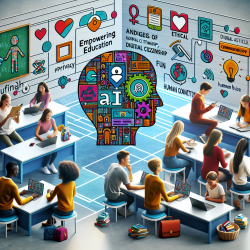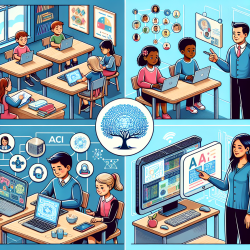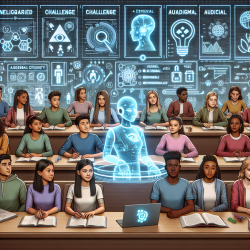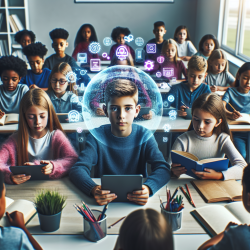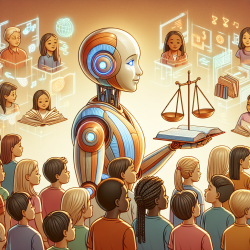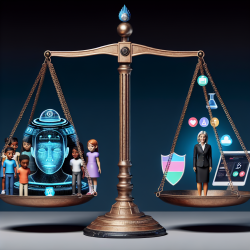
The rapid evolution of Artificial Intelligence (AI) is transforming various sectors, including education. As schools across Washington State pioneer the integration of AI into classrooms, it's crucial to adopt a framework that places human inquiry and empowerment at the forefront. The "Human Inquiry AI Human Empowerment" (H AI H) model offers a pathway for educators and students to engage with AI responsibly, ethically, and safely.
The H AI H Framework
The H AI H model emphasizes a process that begins with human inquiry, utilizes AI for production, and concludes with human reflection. This framework ensures that while AI can enhance learning experiences, it does not replace the critical thinking and creativity inherent in human interaction.
Steps to Integrate AI in the Classroom
- No AI Assistance: Students rely solely on their skills without any AI tools.
- AI-Assisted Brainstorming: Use AI to generate ideas while ensuring the final content is student-created.
- AI-Supported Drafting: Allow AI to assist in drafting while students make significant revisions.
- AI-Collaborative Creation: Integrate AI-generated content with student contributions through critical evaluation.
- AI as Co-Creator: Extensively use AI in content creation while maintaining academic integrity and original thought.
The Role of Educators
Educators are central to the successful integration of AI into education. Their role involves guiding students through the complexities of using AI tools ethically and effectively. This guidance includes developing critical thinking skills and ensuring that technology enhances rather than replaces traditional teaching methods.
The Essential Role of Professional Development
The implementation of AI in education requires continuous professional development for educators. Training programs should focus on improving organizational awareness, understanding pedagogical changes due to GenAI, promoting ethical use of AI, and ensuring equitable access for all students.
AI Across K-12 Education
The introduction of AI should be tailored to different educational levels and subject areas. For elementary students, interactive tools like Google’s Quick Draw can help build foundational understanding. In middle and high school, the focus shifts to developing critical thinking skills using frameworks like SHIFT.
Acknowledging Students with Unique Needs
AI offers significant potential for supporting students with unique needs. It can provide personalized instructional supports for students with disabilities or assist English Language Learners by offering interactive learning experiences tailored to their needs.
The Future of AI in Education
The adoption of a human-centered approach ensures that as technology advances, it serves as a tool to augment human capabilities rather than overshadow them. By embracing this model, Washington's public education system sets a standard for integrating technology in a way that enriches the learning journey of every student.
This comprehensive approach not only prepares students for future careers but also equips them with the ethical understanding necessary to navigate an increasingly digital world responsibly.