Online Therapy in Schools: A Fair Question About Privacy
When schools consider online therapy (often called teletherapy), one question comes up quickly and understandably: “Is it secure and private?”
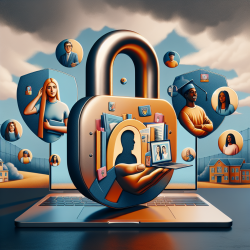
As educators and families, you’re responsible for protecting student information, maintaining trust, and ensuring services are delivered ethically. Therapy sessions can include sensitive details about a student’s communication skills, learning needs, social-emotional development, and progress over time. It’s not just important that online therapy works—it must also protect students’ confidentiality.
The good news is that secure, school-based online therapy can be highly private when it’s delivered through purpose-built platforms and supported by strong policies. With the right safeguards, online therapy can meet the same professional expectations as in-person services, while offering schools additional flexibility and access to qualified providers.
What “Secure and Private” Really Means in School-Based Online Therapy
Security and privacy are related, but they’re not the same thing.
Security refers to the technical protections that keep data safe—things like encryption, secure logins, and protections against unauthorized access.
Privacy refers to how student information is handled—who can see it, when it can be shared, and how consent and confidentiality are maintained.
In a school setting, privacy also includes compliance with education and health information rules, as well as district policies around student records.
How Secure Online Therapy Platforms Protect Student Information
Not all video tools are created equal. A secure teletherapy platform is designed specifically for clinical and school environments, where confidentiality is essential. Here are common safeguards you should expect from a high-quality online therapy provider.
1) Encrypted Sessions and Data Protection
Encryption helps ensure that information shared during a session—video, audio, messages, and sometimes documentation—can’t be easily intercepted or read by unauthorized parties.
In practical terms, encryption is one of the foundational protections that makes online therapy viable for sensitive student services.
2) Secure Access and User Authentication
Privacy depends on making sure only the right people can access sessions and records. Secure online therapy platforms typically use controlled logins and role-based access so that:
Therapists can access the students on their caseload
School staff only access what they’re authorized to see
Students join sessions in a structured, supervised way (as appropriate for age and school procedures)
This reduces the risk of accidental exposure and supports clear boundaries around student information.
3) Purpose-Built Tools Instead of Consumer Video Apps
Schools sometimes wonder whether they can “just use a video meeting link.” But therapy is different from a typical meeting. A therapy-grade platform is designed with clinical workflows in mind and often includes features that support privacy, such as:
Controlled session entry and waiting rooms
Settings that limit recording or sharing
Secure documentation and progress tracking
Administrative oversight aligned with school service delivery
Using tools built specifically for therapy helps reduce risk and supports consistent, professional practice.
Privacy in Practice: What Schools Can Do to Strengthen Confidentiality
Even the best technology works best when paired with strong procedures. In special education, privacy is not only a technical issue—it’s also a daily practice. Here are practical steps schools can take to support confidentiality during online therapy.
Choose a Private Space (and Teach Students What That Means)
A quiet, consistent therapy space helps protect privacy and improves student focus. Depending on the school, this might be a designated room, a corner of the resource area, or another supervised space.
For older students, it can also be helpful to explicitly teach “privacy skills,” such as:
Using headphones when appropriate
Keeping the screen facing away from foot traffic
Knowing what to do if someone walks in
These small routines build independence and reinforce the importance of confidentiality.
Use Clear Schedules and Supervision Plans
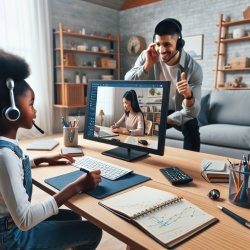
Online therapy sessions should follow the same scheduling and supervision expectations as in-person services. Schools often assign a staff member to support transitions, help younger students log in, and ensure the student is ready to participate. This structure supports both safety and privacy.
Align With District Policies and Student Plans
Therapy services in schools are guided by student plans and district procedures. A secure online therapy provider should be able to fit into those expectations, including documentation, communication, and professional standards.
If your school team is reviewing teletherapy options, it’s reasonable to ask how the provider supports:
Confidential communication with staff and families
Secure storage and handling of therapy-related records
Consistent documentation practices aligned with school requirements
Common Concerns About Online Therapy Privacy (and Reassuring Realities)
“Can someone listen in?”
When sessions are delivered through secure platforms with controlled access, the risk of unauthorized entry is significantly reduced. Schools can further strengthen privacy by using appropriate spaces and supervision routines.
“Is it recorded?”
In many secure therapy models, sessions are not recorded as a default. If recording is ever considered for a specific purpose, it should be guided by clear policies, appropriate consent, and strict access controls. Families and schools should feel comfortable asking providers about recording practices.
“What about student data?”
Secure online therapy services prioritize protecting student information through technical safeguards and careful handling of records. The key is choosing a provider that is experienced in school-based therapy and understands the seriousness of student confidentiality.
Why Secure Online Therapy Can Be a Positive Option for Schools
When privacy and security are addressed thoughtfully, online therapy can offer meaningful advantages for students and school teams.
Improved access to qualified therapists in areas with staffing shortages
Consistent service delivery when in-person coverage is difficult
Flexible scheduling that can reduce missed sessions
Engaging digital tools that support motivation and skill practice
Continuity of care for students who may otherwise experience service gaps
From a special education perspective, one of the most important benefits is consistency. Students make progress when services are reliable, goals are targeted, and therapy time is protected. Secure teletherapy can help schools maintain that consistency while still honoring confidentiality.
What to Look for in a Secure Online Therapy Partner
If your district is evaluating online therapy options, here are a few helpful questions to guide the conversation:
What security measures protect video sessions and student information?
How is access managed for therapists, staff, and students?
How does the platform support privacy in a school environment?
What policies guide documentation, communication, and data handling?
How does the provider support schools in setting up private, effective therapy routines?
At TinyEYE, online therapy is built for schools with student privacy and secure service delivery in mind. When teletherapy is implemented with the right tools and practices, it can be both highly effective and appropriately confidential—supporting students while respecting the trust families place in their schools.
For more information, please follow this link.