Toothbrushing Sensory Issues: When “Just Brush” Isn’t That Simple
For many children, toothbrushing is a quick, routine part of the day. For others, it can trigger tears, gagging, refusal, or a full-body stress response. When that happens, adults often hear themselves saying things like, “It’s only two minutes,” or “We have to do this.” But for a child with sensory differences, toothbrushing may feel less like a simple hygiene task and more like an overwhelming sensory event.
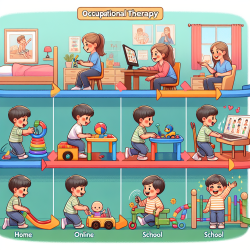
At TinyEYE, we support schools with online therapy services, and we often see how sensory needs show up in daily routines. Toothbrushing challenges can affect attendance (late mornings), classroom readiness, self-confidence, and even social participation. Understanding the “why” behind toothbrushing resistance is the first step toward helping a child succeed.
What Are Toothbrushing Sensory Issues?
Toothbrushing sensory issues occur when the sensations involved in brushing are experienced as uncomfortable, threatening, or hard to process. The mouth is packed with sensory receptors, and brushing involves multiple inputs at once: touch, taste, smell, sound, movement, and sometimes pain. A child may be:
- Over-responsive (sensations feel too intense and aversive)
- Under-responsive (sensations don’t register strongly, so the child seeks more input)
- Sensory seeking (craves intense input and may chew, bite, or brush aggressively)
- Mixed profile (sensitive to some sensations and seeking in others)
These patterns are common in children with autism, ADHD, anxiety, sensory processing differences, and sometimes following medical or dental experiences. They can also appear in children without a diagnosis.
11 Sensory Reasons Kids Resist Toothbrushing
1) The toothbrush bristles feel “scratchy” or painful
Some children experience light touch as irritating or even painful. Firm bristles can feel like sandpaper on gums.
2) The mouth is a high-alert zone
For children with oral defensiveness, anything entering the mouth can trigger a protective response. This can look like pulling away, clamping lips, or panicking.
3) Toothpaste taste and smell are overwhelming
Mint is intense. Even “kid flavors” can be too strong, too sweet, or unpredictable. Smell can be a major trigger.
4) Foaming and texture cause gagging
Some children gag with foam, thick gels, or gritty textures. Gagging is not misbehavior; it is a reflex.
5) Vibrations (electric toothbrushes) are either unbearable or too exciting
Vibration can be regulating for some children and intolerable for others. A child might refuse or might fixate and chew on the brush.
6) Sound sensitivity
The buzzing of an electric toothbrush, bathroom fan, or echo in a tiled room can add stress.
7) Proprioceptive needs: “I can’t feel what I’m doing”
Some children need stronger input to understand where their body is in space. Light brushing may not provide enough feedback, so they avoid it or do it too hard.
8) Motor planning challenges
Toothbrushing is a complex sequence: open mouth, angle brush, reach back molars, switch sides, spit, rinse. Children with motor planning differences may feel lost or frustrated.
9) Loss of control and unpredictability
If adults take over quickly or brush “for” the child, the child may feel trapped. Even well-meaning help can increase refusal if the child feels powerless.
10) Past pain or dental trauma
Cavities, sensitive gums, loose teeth, or a difficult dental visit can create a strong negative association.
11) Timing and regulation: brushing happens when the child is already dysregulated
Many brushing attempts occur during rushed transitions: waking up, bedtime, before the bus. If the child is already stressed, sensory tolerance drops.
What Toothbrushing Struggles Can Look Like (and What They Might Mean)
- Refusal, running away, hiding: avoidance of intense sensory input or fear of loss of control
- Gagging, coughing, vomiting: oral defensiveness, texture/foam sensitivity, or reflex sensitivity
- Biting the toothbrush: sensory seeking, jaw stability needs, or anxiety
- Only brushes front teeth: motor planning difficulty, back-mouth sensitivity, or gag reflex
- Meltdowns at brushing times: cumulative stress, transition difficulty, or sensory overload
Practical Strategies That Often Help (Home and School-Friendly)
There is no single “magic” solution. The best plan is individualized, respectful, and consistent. These strategies are commonly effective and can be mixed and matched.
Start with comfort and choice
- Offer two toothbrush options (soft bristle vs. silicone, small head vs. standard).
- Offer toothpaste choices (flavorless, mild fruit, non-foaming options).
- Let the child choose the order: “Top teeth or bottom teeth first?”
- Use a mirror so the child can see what is happening.
Adjust the sensory environment
- Reduce noise (turn off the fan, close the door, avoid electric brush if sound is a trigger).
- Change lighting (some children do better with softer light).
- Try a different location (kitchen sink instead of bathroom).
Use gradual exposure (tiny steps count)
If brushing is currently a “no,” start smaller and build tolerance. A step-by-step ladder might look like this:
- Hold toothbrush near mouth for 5 seconds.
- Touch lips with toothbrush.
- Touch front teeth only.
- Brush front teeth for 10 seconds.
- Add one side tooth.
- Work toward full mouth over time.
Progress is not always linear. If a child regresses during illness, stress, or schedule changes, that is normal.
Support the gag reflex and back-mouth sensitivity
- Use a smaller brush head.
- Angle the brush gently; avoid pushing toward the throat.
- Try brushing at a different time of day when the child is calmer.
- Consider non-foaming toothpaste if foam triggers gagging.
Build predictability with visuals and routines
- Use a simple visual schedule: “Brush, spit, rinse, all done.”
- Use a timer the child can see (start with 10–20 seconds and build).
- Pair brushing with a consistent song to mark time.
Increase regulation before brushing
Many children tolerate oral input better when their bodies are regulated. Consider a short “prep” routine:
- Wall pushes or chair push-ups
- Carrying a stack of books
- Deep pressure hug (if the child likes it)
- Slow breathing together
Teach skills, not compliance
A helpful mindset shift is moving from “make them do it” to “teach them how to do it.” That can include:
- Hand-over-hand support only with permission and clear warning (“I’m going to help for three brushes”).
- Modeling on a stuffed animal or using a “practice toothbrush.”
- Using a checklist so the child can track independence.
When to Seek Additional Support
If toothbrushing is consistently distressing, causes frequent gagging/vomiting, or leads to significant family conflict, it may be time to involve professionals. Consider support from:
- Dental providers to rule out pain, sensitivity, oral health issues, or structural concerns
- Occupational therapists for sensory processing, motor planning, and routine-building strategies
- Speech-language pathologists when oral-motor skills, feeding, or oral sensitivity overlap
In a school setting, these challenges can connect to self-regulation, independence, and participation. Collaboration between families, school teams, and therapy providers can make routines more successful and less stressful.
A Compassionate Reminder: This Is Hard for Them, Not Just Hard for You
Toothbrushing sensory issues are real, and they are solvable with patience, individualized strategies, and the right supports. When we treat brushing as a skill to build (instead of a battle to win), we protect the child’s dignity and increase the odds of long-term success.
For more information, please follow this link.