
Virtual Occupational Therapy: A Practical Question with High Stakes
When a child struggles to button a coat, hold a pencil comfortably, manage sensory input in a busy classroom, or keep up with daily routines, occupational therapy (OT) can be a turning point. As schools and families look for consistent access to services, many are asking the same question: Is virtual occupational therapy effective?
In most cases, yes—virtual OT can be highly effective when it is delivered by qualified clinicians using evidence-based practices, appropriate technology, and strong collaboration with caregivers and school teams. Like any service model, it works best when the approach matches the student’s needs and when the environment is set up for success.
What Virtual OT Looks Like in Real Life
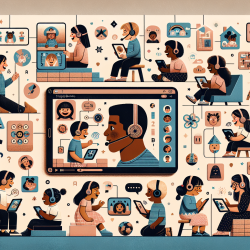
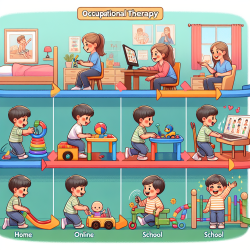
Virtual OT (often called teletherapy or online therapy) is occupational therapy delivered through secure video conferencing. Sessions may occur during the school day, at home, or in a hybrid schedule. The therapist guides the student through targeted activities and strategies while also coaching the adults nearby—teachers, educational assistants, or caregivers—so skills generalize into daily routines.
Virtual OT is not simply “in-person therapy on a screen.” Effective virtual OT is intentionally designed for online delivery, using:
- Clear visual demonstrations and modeling
- Digital tools and interactive activities
- Household or classroom materials (paper clips, pencils, scissors, notebooks, sensory tools)
- Real-time coaching for adults supporting the student
- Structured home/classroom practice plans between sessions
Why Virtual Occupational Therapy Can Be Effective
1) It Supports Functional Skills Where They Actually Happen
OT is fundamentally about function—participation in daily activities. Virtual therapy often takes place in the student’s real environment (home or classroom), which can make intervention more relevant. Instead of practicing a skill in a clinic and hoping it transfers, the therapist can address challenges directly in context.
Examples include:
- Helping a student organize a desk, backpack, or digital workspace
- Supporting handwriting or typing during real academic tasks
- Coaching sensory regulation strategies during typical classroom routines
- Practicing self-care routines using the student’s own materials
2) It Builds Adult Capacity Through Coaching
One of the strongest advantages of virtual OT is how naturally it encourages collaboration. When a teacher, paraprofessional, or caregiver is present, the therapist can coach them in real time—helping them learn what to do, how to cue, and when to fade support. This “carryover” is often what makes therapy effective long-term.
Coaching can include:
- How to set up tasks for success (positioning, materials, visual supports)
- How to use consistent language and prompts
- How to adjust task demands without lowering expectations
- How to track progress with simple data
3) It Improves Access and Consistency—Two Major Drivers of Progress
In many school systems, OT staffing shortages and scheduling barriers can reduce service consistency. Virtual OT can help schools and families access qualified occupational therapists without the same geographic constraints. More consistent sessions and fewer cancellations can lead to more steady progress over time.
4) It Can Be Highly Engaging for Students
Many students respond well to technology-based learning. Virtual sessions can incorporate interactive tools, visual schedules, timers, and digital reinforcement. For some learners—especially those who benefit from predictable routines—online sessions can feel structured and comfortable.
5) It Encourages Generalization Through Practice Between Sessions
Effective OT is rarely “once a week and done.” Progress comes from repeated practice in meaningful routines. Virtual OT often includes simple home or classroom practice plans that are realistic and easy to implement. This supports generalization—using skills across settings, people, and tasks.
What Skills Can Virtual OT Address?
Virtual occupational therapy can support a wide range of school and daily living needs. The key is selecting goals that are functional, measurable, and appropriate for teletherapy delivery.
- Fine motor skills (hand strength, dexterity, grasp patterns)
- Handwriting and written output (letter formation, spacing, endurance, speed)
- Keyboarding and assistive technology (typing skills, access strategies)
- Executive functioning (organization, planning, task initiation, time management)
- Sensory processing and self-regulation (coping strategies, movement breaks, environmental supports)
- Visual-motor integration (copying, aligning work, scanning)
- Self-care routines (as appropriate and with proper support)
When Virtual OT Works Best (and What Helps It Succeed)
Virtual OT is most effective when the service model is intentionally planned. Schools and families can improve outcomes by focusing on a few practical success factors:
- Reliable technology: stable internet, a device with a camera, and a quiet space
- Appropriate supports: a facilitator nearby when the student needs help staying engaged or managing materials
- Clear goals: functional targets tied to participation in school routines
- Short, structured activities: especially for younger students or those with attention needs
- Collaboration: regular communication with teachers and caregivers
- Data and follow-through: simple progress monitoring and between-session practice
Addressing Common Concerns About Effectiveness
“But OT is hands-on—how can it work online?”
It’s true that some OT approaches are tactile and hands-on. However, much of pediatric and school-based OT is skill-building, strategy instruction, environmental modification, and coaching. In virtual OT, the therapist can still observe movement patterns, task performance, posture, and tool use—and then guide the student and supporting adult through adjustments.
“Will my child pay attention on a screen?”
Engagement depends on session design and support. Effective virtual OT uses predictable routines, visual schedules, movement breaks, and interactive tasks. For students who need it, an adult facilitator can help with materials and attention while the therapist leads the clinical plan.
“Is it as effective as in-person therapy?”
For many functional school-based goals, virtual OT can be comparable in effectiveness, particularly when it includes strong coaching and consistent practice. Some students may still benefit from in-person or hybrid services for specific needs. The best approach is individualized: match the model to the student, the goals, and the available supports.
Why Schools Are Turning to Online OT Services
Schools are under pressure to meet service requirements while managing staffing shortages and increasing student needs. Virtual OT can help districts:
- Reduce service gaps and wait times
- Provide continuity when on-site staffing changes
- Offer flexible scheduling across multiple schools
- Support collaboration with educators and families
- Document services and progress efficiently
TinyEYE Therapy Services: An Online Private Therapy Option
If you are exploring online therapy options, TinyEYE Therapy Services provides virtual therapy services to schools, bringing qualified clinicians and a structured teletherapy model to support student outcomes. For schools seeking consistent OT access—or families looking for a coordinated approach through school partnerships—TinyEYE’s online service delivery can be a practical and effective option.
Because virtual OT is most successful when it is collaborative and goal-driven, choosing a provider with experience in school-based systems, documentation, and team communication can make a meaningful difference.
Key Takeaways
- Virtual occupational therapy can be effective, especially for functional school-based goals.
- Teletherapy often strengthens carryover by coaching the adults who support the student daily.
- Consistency, collaboration, and well-designed sessions are major predictors of success.
- Many OT targets—fine motor, handwriting, executive functioning, self-regulation, and access strategies—can be addressed virtually.
- TinyEYE Therapy Services is an online private therapy option that supports schools with virtual OT service delivery.
For more information, please follow this link.