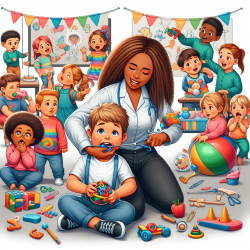
It can be confusing (and honestly exhausting) when your child seems to chew on everything: shirt collars, hoodie strings, pencils, erasers, toy parts, fingers, or even items that are not meant to go in a mouth at all. Many families wonder, “Is this a bad habit?” or “Is something wrong?”
Chewing is often a form of communication. For many children, it’s the body’s way of meeting a need: calming, focusing, exploring, or coping. The key is figuring out why your child is chewing, so you can respond with strategies that are supportive, safe, and realistic at home and at school.
First, know this: chewing is common
Chewing can show up in toddlers, preschoolers, and school-age children. It can be occasional (during stress or boredom) or frequent (throughout the day). Some children grow out of it naturally, while others need direct support to replace unsafe chewing with appropriate tools and skills.
Chewing becomes more important to address when it interferes with learning, damages clothing or objects, causes social challenges, or creates safety risks (choking, ingestion of harmful materials, or dental issues).
7 common reasons children chew on everything
1) Sensory seeking: “My mouth needs input”
One of the most common reasons is sensory seeking. The mouth is packed with sensory receptors. Chewing provides strong input to the jaw and mouth, which can feel organizing and satisfying—like a “reset button” for the nervous system.
Children who seek oral sensory input may also:
- Chew on sleeves, collars, or hair
- Mouth toys beyond toddler age
- Prefer crunchy or chewy foods
- Enjoy blowing bubbles, whistles, or using straws
2) Self-regulation: chewing as a calming strategy
Chewing can help a child manage big feelings. Some children chew more when they’re anxious, overwhelmed, tired, or adjusting to change. The steady pressure of chewing can be soothing and help them stay regulated.
You might notice chewing increases during:
- Transitions (morning routine, leaving school, bedtime)
- Noisy environments (cafeteria, assemblies)
- Social stress (new peers, group work)
- High-demand tasks (writing, tests, reading aloud)
3) Focus and attention: “Chewing helps my brain work”
Some children chew to concentrate. That extra sensory input can help them stay alert and engaged, especially during seated work. You may see more chewing during homework, classroom instruction, or long periods of sitting.
This doesn’t mean a child is being “distracted.” In many cases, chewing is the child’s attempt to prevent distraction by keeping their body regulated enough to learn.
4) Habit and learned behavior
Sometimes chewing starts for a reason (stress, teething, sensory needs) and then becomes a habit. If it’s been happening for a while, your child may chew automatically without noticing.
In these cases, replacement strategies and gentle cueing tend to work better than repeated reminders to “stop,” especially if chewing is serving a regulation purpose.
5) Oral-motor needs or low muscle tone
Chewing can also be related to oral-motor development. Some children have differences in jaw strength, endurance, or coordination. Chewing may help them “wake up” the mouth or stabilize the jaw, particularly during tasks that involve speech clarity or fine motor work.
If you also notice drooling, messy eating, fatigue while chewing foods, or unclear speech, it may be helpful to consult a speech-language pathologist (SLP) for a closer look.
6) Medical, dental, or nutritional factors
Occasionally, chewing is linked to medical or dental concerns, including:
- Teething or mouth pain
- Ear discomfort or sinus pressure
- Dental issues (bite alignment, cavities, gum irritation)
- Iron deficiency or other nutritional concerns (in some cases)
If chewing is sudden, intense, or paired with other symptoms (sleep changes, pain, appetite changes), checking in with your pediatrician or dentist is a smart step.
7) Pica or chewing non-food items
If your child is chewing and swallowing non-food items (paper, foam, dirt, chalk, fabric, hair), that may signal pica, which can have medical and developmental causes and should be discussed with a healthcare provider promptly.
Even when a child isn’t swallowing, frequent chewing on unsafe items can still create choking risks and exposure to germs or toxins (for example, old paint, certain plastics, or items shared in classrooms).
When should you be concerned?
Chewing is worth a closer look if you notice any of the following:
- Your child chews daily and struggles to stop even with reminders
- Chewing interferes with schoolwork, attention, or participation
- Items are being damaged (clothing, pencils, toys) or your child is being teased
- Your child chews on unsafe objects or puts small pieces in their mouth
- There are signs of swallowing non-food items
- Chewing is paired with pain, sleep disruption, or sudden behavior changes
What to do instead of “Just stop chewing”
Because chewing often meets a real need, the most effective approach is to:
- Identify the purpose (calming, focus, sensory input, habit)
- Offer safe alternatives
- Teach when and where chewing is appropriate
- Build other regulation tools over time
Practical, school-friendly strategies that help
- Offer a safe chew option: Many families and schools use chewable tools designed for kids (often called chew tools). Choose an age-appropriate option and supervise use, especially at first.
- Build “chew breaks” into the day: If chewing spikes during reading or writing, plan a short sensory break before those tasks (movement, wall push-ups, heavy work, or a crunchy snack if appropriate).
- Use crunchy or chewy foods strategically: If your child can eat safely, foods like carrots, apples, pretzels, or bagels can provide oral input. Always consider allergies and school policies.
- Teach a simple replacement script: “Mouth is for food or chew tool.” Keep language short and consistent.
- Reduce triggers where possible: If chewing increases with noise or stress, consider seating changes, headphones during independent work, or predictable routines.
- Support regulation with whole-body input: Many children need movement and “heavy work” (carrying books, pushing a chair, animal walks) to regulate, not just oral input.
How school-based therapy can support chewing concerns
Chewing may connect to sensory processing, self-regulation, attention, or oral-motor skills. In school settings, support often involves collaboration among educators, families, and therapy providers to help a child access learning safely and confidently.
Depending on your child’s needs, support may include:
- Occupational therapy (OT): to explore sensory needs, provide regulation strategies, and recommend safe alternatives and classroom routines
- Speech-language pathology (SLP): to assess oral-motor skills, feeding-related concerns (when appropriate), and how mouth/jaw stability may relate to speech or classroom performance
- Classroom strategies: to reduce triggers, teach replacement behaviors, and normalize appropriate tools without shame
At TinyEYE, we understand how important it is that strategies work in real classrooms with real schedules. Online therapy can help schools implement consistent supports, coach staff, and collaborate with families—so children aren’t simply told to stop, but are taught what to do instead.
A quick note about compassion (for you and your child)
Chewing can look puzzling from the outside, but for many children it’s a coping strategy that developed for a reason. When adults respond with curiosity instead of frustration, children are more likely to feel safe—and more willing to try replacement tools and new skills.
If you’re not sure what’s driving the chewing, start by observing patterns: when it happens, what’s happening right before it, and what seems to help. Those clues are often the fastest path to meaningful support.
For more information, please follow this link.