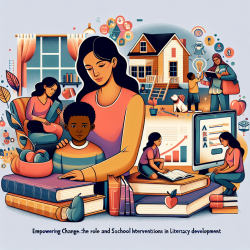
In today's educational landscape, literacy success among school-aged children is paramount. The ability to read proficiently is foundational not only for academic achievement but also for lifelong learning and personal growth. This blog explores key factors supporting literacy success in school-aged populations, drawing insights from a comprehensive literature review commissioned by the Canadian Education Statistics Council.
The Canadian Context
Canada is a diverse nation with approximately 5 million school-aged students, of which over 90% are enrolled in provincial and territorial schools. However, literacy challenges persist, with about a quarter of Canadian youth not graduating from secondary school. Reading is a critical predictor of academic success, making it essential to focus on effective reading instruction across all educational levels.
Comprehensive Reading Instruction
An effective approach to reading instruction encompasses several key components:
- A Comprehensive Approach: This includes sufficient daily reading time and strategies that build oral language, fluency, comprehension, and motivation.
- Articulated Standards: Competency standards and assessments are used to monitor progress and inform instruction.
- Resources and Professional Capacity: Ensuring the availability of appropriate materials and ongoing teacher education is crucial for effective delivery.
- Effective Intervention: Early identification and intervention for children experiencing difficulties can prevent long-term reading challenges.
The Role of Parents and Community
The influence of family and community on literacy development cannot be overstated. Parental involvement, expectations, and aspirations significantly impact children's reading achievement. Community-based programs that support reading can also play a vital role in fostering a culture of literacy.
Diverse Student Populations
The Canadian student population is diverse, with many students coming from different linguistic backgrounds. For Aboriginal students and those whose first language is neither French nor English, tailored instructional strategies that respect cultural and linguistic diversity are essential for successful literacy outcomes.
The Importance of Professional Development
The expertise of teachers is a critical factor in promoting literacy success. Ongoing professional development focused on evidence-based reading instruction methods can enhance teachers' ability to support all students effectively.
Conclusion
Literate societies require strategic efforts to ensure all students achieve literacy success. By implementing comprehensive approaches to reading instruction, engaging families and communities, respecting diversity, and investing in teacher development, we can create environments where every student has the opportunity to thrive.
For more information, please follow this link.