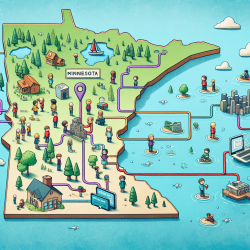
Minnesota is often recognized as a healthcare stronghold, shaped by nationally respected institutions and robust regional systems. For schools, this strong infrastructure can be both a benefit and a challenge: high-quality services exist, but access and timelines vary widely depending on setting, urgency, and staffing availability. When students need speech-language services—whether for articulation, language development, fluency, voice, or social communication—schools must navigate a complex landscape while meeting special education timelines and ensuring continuity of care.
This post provides a clear overview of Minnesota’s therapy ecosystem, what it can mean for students and school teams, and how online options such as TinyEYE Therapy Services can support schools in maintaining service delivery when in-person capacity is limited.
Why Minnesota Stands Out in Healthcare
Minnesota’s healthcare reputation is closely linked to the influence of the Mayo Clinic and major systems such as Allina. This concentration of expertise elevates clinical standards and expands specialized care options. For pediatric populations, this can be especially important when a student’s needs are medically complex (for example, cleft palate, traumatic brain injury, or co-occurring medical conditions that affect communication).
However, strong healthcare systems do not automatically translate into quick access for every child. In practice, availability depends on where a family seeks services (private clinic, in-home provider, or hospital-based program), the type of concern (high acuity versus developmental delay), and whether the provider has openings that align with school schedules.
Access and Availability: The Main Service Pathways
In Minnesota, families and schools commonly encounter three broad pathways for speech-language therapy services: private clinics, in-home models, and hospital-based programs. Each has advantages and limitations that matter when schools are planning services, coordinating with families, and problem-solving around timelines.
1) Private Clinics: Distributed Locations, Faster Starts
Private clinics often provide the quickest route to beginning therapy. In Minnesota, examples include St. Francis Capable Kids and the Family Achievement Center, which operate multiple locations. Multiple sites can help distribute caseloads and increase the chance of finding an opening that works for a family’s schedule.
Kidspeak Ltd. is another example, offering in-home services, which can reduce barriers related to transportation and scheduling. For some families, in-home services can be a practical way to begin therapy sooner, especially when clinic times are limited.
What schools should know about private clinics:
They may offer shorter wait times than hospital-based programs.
Service frequency and scheduling can vary widely by provider and location.
Coordination with school teams can be highly effective when families sign releases and providers are open to collaboration.
Private therapy may focus on family goals and medical/clinical priorities, which can complement (but not replace) educationally relevant school-based services.
2) In-Home Models: Convenience and Family-Centered Messaging
In-home therapy models have grown in popularity, in part because they meet families where they are. In Minnesota, companies like Twin Cities Speech Therapy and Speech Therapy Express emphasize convenience. Speech Therapy Express also highlights a “complimentary phone consult” and messaging that they aim to “work themselves out of a job,” which can resonate with parents who worry about therapy continuing indefinitely without clear milestones.
From a special education perspective, this messaging can be helpful when it supports shared expectations and measurable progress monitoring. Schools can take note of this approach and reinforce similar best practices in educational planning:
Set clear, functional goals tied to student participation and learning.
Define how progress will be measured and how often it will be reviewed.
Plan for generalization—how skills will carry over into classroom routines and peer interactions.
3) Hospital-Based Programs: Specialized Care, Longer Waits for Developmental Needs
Hospital systems play a critical role for high-acuity cases. Children’s Minnesota, for example, provides high-acuity care such as cleft palate services and support following traumatic brain injury. Hospital triage systems are designed to ensure urgent cases are seen quickly.
The tradeoff is that developmental speech and language delays may be deprioritized compared to urgent medical needs, which can lead to longer waits. Allina Health provides estimated wait times for exams, but it is important to note that therapy scheduling is distinct from exam availability—families may get an assessment appointment sooner than an ongoing therapy slot.
For school teams, this distinction matters. A student might receive a diagnosis or evaluation recommendations, but still face a delay in accessing consistent therapy sessions through the hospital system.
Wait Times in Minnesota: What Families and Schools Can Expect
Based on the provided estimates, Minnesota wait times can look like this:
Private clinics: approximately 1–3 weeks
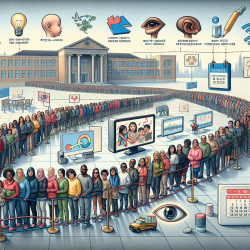
Hospital-based therapy: approximately 3–6 months
These ranges can shift by region, season, and staffing, but they highlight a key reality: even in a healthcare-strong state, therapy access is not evenly distributed across service types.
What Wait Times Mean for Students in Schools
In special education, timing matters. Delays in support can affect:
Early literacy development (phonological awareness, vocabulary growth, narrative skills)
Classroom participation (following directions, asking for help, explaining thinking)
Social connection (peer conversations, pragmatic language, conflict resolution)
Behavior and emotional regulation (communication breakdowns can look like avoidance, frustration, or acting out)
Schools are often balancing legal timelines, staffing shortages, and increasing student needs. When outside therapy has long waits—or when families cannot access private options—schools may need additional capacity to maintain consistent services and prevent gaps.
An Online Option for Schools: TinyEYE Therapy Services
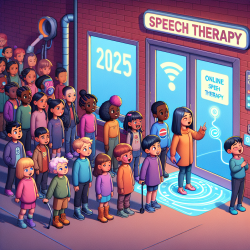
For Minnesota schools looking to strengthen service delivery, TinyEYE Therapy Services offers an online therapy option designed for educational settings. Online therapy (teletherapy) can help schools address common barriers such as provider shortages, scheduling constraints, and geographic limitations.
In practical terms, online therapy can support schools by:
Expanding access to qualified clinicians when local hiring is difficult.
Reducing missed sessions caused by travel time, weather, or multi-site scheduling.
Supporting consistent service delivery for students who need steady routines.
Facilitating collaboration with school teams through shared planning and clear documentation.
For many students, teletherapy is not a “backup plan,” but a viable service model that can be integrated into the school day. When implemented thoughtfully—with appropriate support on-site, clear goals, and family communication—online therapy can help maintain momentum while families pursue additional clinic-based services if needed.
How Schools Can Choose the Right Mix of Supports
Minnesota’s therapy landscape offers multiple pathways, and the best plan is often a coordinated one. Schools can consider a blended approach that respects both educational and clinical needs:
Use school-based services to target educational impact: classroom communication, curriculum access, and functional participation.
Encourage families to pursue private or hospital-based services when medically complex needs require specialized care.
Consider online therapy services such as TinyEYE Therapy Services to stabilize service delivery when staffing or scheduling challenges arise.
When school teams, families, and providers share information (with appropriate consent), students benefit from consistent strategies and aligned goals. Even small coordination steps—like sharing classroom vocabulary themes, articulation cues, or behavior supports—can improve generalization and speed progress.
Key Takeaways
Minnesota’s strong healthcare infrastructure supports high-quality care, especially for medically complex needs.
Access varies by setting: private clinics often start sooner, while hospital-based therapy may involve longer waits for developmental concerns.
Estimated wait times: private clinics 1–3 weeks; hospital-based therapy 3–6 months.
Schools can reduce service gaps by considering online options like TinyEYE Therapy Services to maintain consistent support.
For more information, please follow this link.