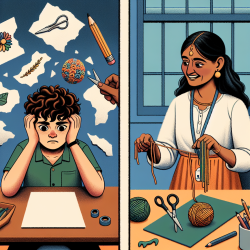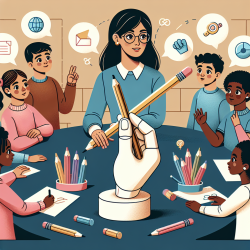
Many children struggle with pencil grip at some point, especially in the early school years. A “pencil grip problem” doesn’t mean a child is lazy or not trying—it often means their hands, fingers, or posture aren’t working efficiently yet. When grip is awkward or uncomfortable, handwriting can become slow, messy, tiring, or even painful. Over time, kids may avoid writing tasks, which can affect classroom participation and confidence.
Common Signs Your Child May Have a Pencil Grip Challenge
Children use many different grasps as they learn. Some variations are perfectly functional. The concern is when a grip gets in the way of endurance, legibility, or comfort. Watch for these signs:
- Complaints of hand pain, fatigue, or cramping during writing
- Very tight grip (white knuckles, pressing hard enough to break the pencil tip)
- Very light pressure (writing is faint and hard to read)
- Frequent hand switching or shaking out the hand
- Wrapping the thumb over fingers or “hooking” the wrist
- Slow writing speed compared to peers
- Messy handwriting that worsens over longer assignments
- Difficulty using scissors, coloring, or manipulating small objects
What Can Cause Pencil Grip Problems?
Pencil grasp is influenced by more than finger placement. Occupational therapists (OTs) look at the whole picture, including:
- Hand strength and endurance (small muscles in the hand may tire quickly)
- Fine motor coordination (how smoothly fingers work together)
- Core and shoulder stability (a stable body supports controlled hand movements)
- Posture and seating (feet support, desk height, and paper position matter)
- Sensory processing (some children press too hard or too lightly based on sensory needs)
How Occupational Therapy Helps
OT support is practical and child-friendly. Instead of forcing a “perfect” grip, OTs aim for a grasp that is functional, comfortable, and sustainable. Strategies may include:
- Strengthening activities for hands and fingers (through play-based tasks)
- Exercises to build shoulder and core stability for better control
- Teaching efficient pencil grasp patterns step-by-step
- Trying adaptive tools such as pencil grips, short pencils, or slant boards
- Adjusting classroom setup (chair height, foot support, paper angle)
- Building handwriting skills gradually to improve speed and legibility
Simple Tips to Try at Home or School
- Use short crayons or golf pencils to encourage a more efficient grasp
- Encourage “pinch and flip” to position the pencil correctly
- Build hand strength with play: playdough, tweezers, clothespins, and bead stringing
- Check posture: feet flat, paper tilted slightly, and shoulders relaxed
When pencil grip problems interfere with learning, early support can make a big difference. Occupational therapy helps children write with less effort and more confidence—so they can focus on ideas, not hand fatigue.
For more information, please follow this link.