By fall 2022, many U.S. schools looked “normal” again. Classrooms reopened, routines returned, and extracurriculars restarted. Yet for many students—and the adults who support them—life did not snap back. The Covid-19 pandemic disrupted relationships, stability, and access to support systems at the exact moment many young people needed them most.
A February 2023 evidence review led by Betheny Gross (WGU Labs) and Laura Hamilton (American Institutes for Research), with an expert panel convened by the Center on Reinventing Public Education (CRPE), synthesizes dozens of studies and surveys to clarify what we know, what we don’t, and what we must build next. The conclusion is clear: academic recovery matters, but it is incomplete without a serious, systems-level commitment to mental health and social-emotional development.
Why the conversation can’t stop at test scores
Much of the national recovery dialogue has focused on reading and math. But the pandemic also created “missed opportunities” for students to develop social and emotional competencies—skills like self-regulation, teamwork, and social awareness. These are often grouped under social and emotional learning (SEL), and they are not “extra.” They are foundational for learning, relationships, and long-term success.
The evidence review emphasizes that schools are not solely responsible for the origins or solutions to youth mental health challenges. Still, educators are essential partners—often the most consistent daily point of contact for students. That makes school systems a critical hub for identifying needs early, coordinating supports, and strengthening protective factors.
New evidence deepens the urgency
Since the panel’s earlier work in 2021, additional data intensified concern about youth mental health trends. Among the key findings highlighted in the review:
More than 1 in 7 young people reported experiencing a “major depressive episode” in 2021.
As of April 2022, 70% of public schools reported an increase in the percentage of students seeking mental health services at school since the pandemic began.
CDC reporting showed emergency room visits due to suicide attempts among girls ages 12–17 were over 50% higher in spring 2021 than the same period in 2019.
In a 2021 survey of more than 34,000 LGBTQ+ youth (ages 13–24), 45% reported seriously considering suicide in the previous year.
CDC Youth Risk Behavior Survey findings indicated 57% of teenage girls felt persistently sad or hopeless, and 30% seriously considered suicide.
Teachers reported stress levels nearly twice pre-pandemic rates—an important reminder that adult well-being and student well-being are tightly linked.
These are not abstract statistics. They represent real students who may be struggling to attend class consistently, engage with peers, regulate emotions, or feel safe enough to learn. They also represent educators trying to meet escalating needs while managing their own stress and burnout.
The pandemic didn’t “cause” the crisis—but it amplified it
A critical nuance in the report is that many troubling trends predate 2020. The Surgeon General’s October 2021 declaration of a national emergency in child and adolescent mental health was a recognition of a long-building crisis that the pandemic illuminated and intensified.
The review also points to broader, intersecting risk factors that shape youth well-being, including:
Systemic racism and its effects on stress, opportunity, and safety for Black, Hispanic, Indigenous, and Asian young people
Anti-gay and anti-trans bias, including political debates and legislative actions that create ongoing stressors for LGBTQ+ youth
Shifts in social media use and online communication, with research linking increased use to increased anxiety and depression in some studies
In other words, schools are working inside a complex ecosystem of influences. That’s why the panel cautions against simplistic assessments and quick remedies.
Why “simple fixes” can backfire
The report highlights that the relationship between schooling format (remote vs. in-person) and student well-being is not straightforward. Some findings suggest that isolation and disruption harmed many students, while other evidence points to nuanced patterns—such as a study noting teen suicides dropped early in the pandemic and later rose as schools returned to in-person learning, potentially connected to renewed exposure to bullying for vulnerable youth.
The takeaway for school leaders is not to relitigate reopening decisions. It’s to recognize that:
Students experience school environments differently.
Some students need targeted supports to feel safe, connected, and ready to learn.
Understanding individual context—home, peer relationships, identity-based stressors, and learning environment—matters.
What’s missing: integrated, systemic solutions
Despite widespread recognition of student needs, the panel noted that comprehensive solutions remain rare. One reason is that large-scale implementation is hard. Under pressure, districts may adopt “off-the-shelf” SEL programs that are easier to deploy quickly—especially when funded by time-limited relief dollars—without deeply integrating SEL into daily instruction and school culture.
Another barrier is the misconception that SEL “crowds out” academics. The panel stresses that evidence does not support a zero-sum view. Academic learning is inherently social and emotional; students learn best when they feel safe, connected, and capable.
Finally, politicization and conflict around curriculum and inclusion have led some leaders to pause or modify supports, including SEL and mental health services—precisely when student needs are rising.
Three calls to action for the next phase of recovery
The expert panel reconvened in 2022 and issued three calls to action aimed at systems-level change. These are especially relevant for district leaders planning sustainable student support models.
1) Embrace technology that strengthens well-being while honoring relationships
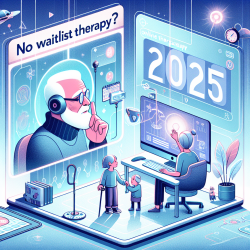
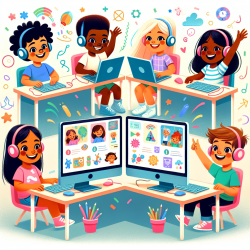
Technology expanded rapidly during the pandemic. While not all tools worked for all students, the report emphasizes that technology can help scale access—especially where staffing shortages limit support.
Examples discussed include:
Virtual parent-teacher meetings that reduce barriers for family engagement
Virtual counseling that increases access in rural areas or high-need schools
Telemedicine approaches that may reduce absenteeism
Asynchronous learning tools that can free up time for interactive, relationship-rich learning
For schools, the guiding principle is simple: technology should support—not replace—human connection. For providers like TinyEYE, this is the heart of responsible teletherapy in schools: delivering accessible services while staying anchored in trust, rapport, and collaboration with educators and caregivers.
2) Move past “turf wars” with big-tent thinking
SEL is often positioned as competing with other initiatives: restorative practices, mental health supports, anti-bullying efforts, attendance improvement, character education, or mindfulness. The panel argues this framing is counterproductive.
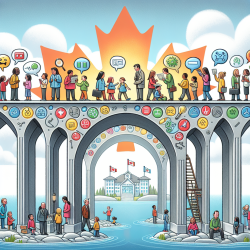
Instead, schools and communities can align around a shared vision of youth success—similar to a “profile of a graduate,” but broader: what does it mean to become a thriving citizen and community member?
When districts communicate how well-being connects to academics, workforce readiness, and civic life, they can reduce polarization and build coalitions that include families, community organizations, and even partners with differing political perspectives—united by student needs.
3) Build integrated monitoring and response systems
The pandemic revealed how fragmented youth well-being data can be. Without coordinated systems, it’s hard to see patterns early, allocate resources effectively, or evaluate what’s working.
The report points to emerging examples such as:
New York City’s bi-annual assessment of student social and emotional competencies to map strengths and align supports
Allegheny County, Pennsylvania’s integrated data system connecting school data with public health data to study relationships among absenteeism, mental health, and human services involvement
Well-designed monitoring systems can help communities respond faster and more equitably—while also raising essential questions about privacy, data governance, and appropriate use.
What school leaders can do now: practical next steps
Even when long-term system redesign takes time, districts can take meaningful steps immediately—especially by focusing on coordination, capacity, and consistency.
Audit access and equity: Identify which schools, grades, and student groups face the biggest gaps in mental health and SEL supports.
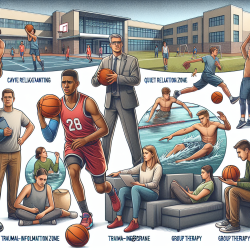
Strengthen tiered supports: Align universal SEL practices with targeted interventions and intensive services so students don’t fall through cracks.
Invest in adult well-being: Teacher and staff stress directly affects school climate and student outcomes; sustainable support requires supporting educators, too.
Use technology strategically: Expand access through high-quality teletherapy and virtual collaboration while keeping relationships at the center.
Coordinate with community partners: Rebuild the web of supports that includes after-school programs, health providers, and youth organizations.
Ultimately, the evidence review lands on a hopeful but urgent message: students can recover, but not through isolated programs or short-term fixes. The need is for integrated strategies that reflect the complexity of young people’s lives and that mobilize schools, families, and communities around a shared definition of well-being and success.
For more information, please follow this link.