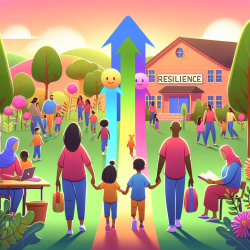
From the moment a child is born, they begin to experience the world in ways that shape their future. The interactions they have with their environment can influence their ability to face adversity and bounce back from challenges. This concept, known as resilience, is crucial for developing healthy coping mechanisms and promoting mental well-being throughout life.
Understanding Resilience
Resilience is often described as the ability to do well during or after an adverse event. It is not a fixed trait but rather a dynamic process that evolves over time. Children who develop resilience can better manage stress and are less likely to experience mental health issues later in life.
Experts agree that resilience involves a combination of individual factors such as temperament and coping skills, as well as environmental factors like family relationships and community support. By addressing these areas, we can help children build a strong foundation for future challenges.
Building Resilience: A Collaborative Effort
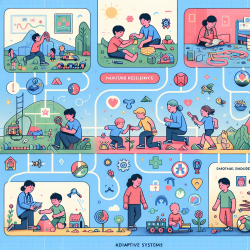
Building resilience in children requires a collaborative effort involving parents, educators, and the community. Here are some key strategies to consider:
- Educate about Resilience: Teach children about resilience using simple terms and everyday examples. Encourage them to share stories of overcoming challenges and remind them that seeking support is okay.
- Promote Supportive Relationships: Help children develop empathy and social skills by encouraging positive interactions with peers and adults. Create environments where children feel they belong and are valued.
- Foster Autonomy and Responsibility: Provide opportunities for children to make decisions and solve problems independently. Encourage them to take healthy risks appropriate for their age and development level.
- Manage Emotions: Teach children to articulate their feelings and develop healthy thinking habits. Use mindfulness techniques to help them manage stress and anxiety effectively.
- Create Opportunities for Personal Challenge: Allow children to experience manageable levels of adversity through activities that encourage exploration and resilience-building.
The Role of Schools and Communities
Schools play a vital role in fostering resilience by incorporating structured interventions into the curriculum. These programs should focus on enhancing protective factors, reducing risk factors, and providing resources that build resilience. Community organizations can also contribute by offering programs that encourage healthy risk-taking and personal growth.
Measuring Success
To assess the effectiveness of resilience-building efforts, it's important to measure changes in children's behaviors and attitudes. Using validated tools like the Connor-Davidson Resilience Scale can help track progress over time and ensure interventions are meeting their goals.
A Call to Action
Investing in children's resilience is an investment in their future well-being. By working together, parents, educators, and communities can create supportive environments that nurture resilient kids ready to face life's challenges head-on.
For more information on building resilience in children aged 0-12, please follow this link.