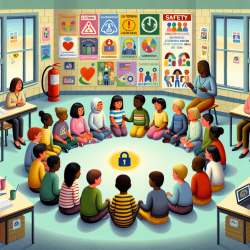
Why school safety conversations matter (and why they can feel hard)
For many families, school safety is one of the most emotionally loaded topics to bring up at home. Even when schools are doing the right things—practicing drills, reviewing procedures, strengthening communication—kids can still feel confused, worried, or overwhelmed. Adults can feel the same way, which is why these conversations often get delayed or avoided.
The good news is that you don’t need the “perfect” words. What kids usually need most is a calm, consistent opportunity to talk—so they feel heard and reassured. Using simple, open-ended questions can help you understand what your child already knows, what they’re feeling, and what support they may need.
At TinyEYE, we partner with schools to provide online therapy services, including support for students who may experience anxiety, stress, or fear related to school safety topics. Whether you’re a parent, caregiver, or educator, conversation starters can be a practical first step toward building emotional safety alongside physical safety.
What makes a good school safety conversation?
A helpful conversation about school safety doesn’t have to be long. It does have to be intentional. The goal is not to interrogate your child or provide a detailed explanation of every possible scenario. The goal is to create connection and clarity.
- Start with curiosity. Ask what they think, notice, or feel before offering your perspective.
- Use neutral language. Keep your tone steady and avoid adding scary details.
- Validate feelings. “That makes sense” or “Thanks for telling me” goes a long way.
- Focus on trusted adults and actions. Help kids name who they can go to and what they can do if worried.
- Revisit the topic. One conversation is helpful; ongoing check-ins are even better.
Conversation starters for younger children
Younger children often think in concrete terms. They may focus on routines, specific adults, and what drills look or feel like. These questions are designed to help them describe their experience in their own words.
1) “What makes you feel safe at school?”
This question helps you identify what your child already relies on for comfort—friends, routines, a classroom rule, a teacher’s presence, or a particular space like the library.
2) “What does your teacher do at school that makes you feel safe?”
Kids often feel reassured when they can name adult behaviors that signal safety: clear instructions, calm voices, consistent routines, and predictable responses.
3) “What’s the difference between a fire drill and a lockdown drill?”
This is a gentle way to assess what they understand. If they mix up drills or have misconceptions, you can correct them with simple, age-appropriate language.
4) “How do you feel when you’re practicing drills at school?”
Some kids feel fine. Others feel tense, confused, or embarrassed. Asking about feelings helps you spot anxiety early and normalize emotional reactions.
5) “Do you feel different depending on the type of drill? Why?”
This follow-up helps children connect emotions to experiences. It can reveal whether certain drills feel louder, more unpredictable, or more stressful.
6) “Is there any aspect of a lockdown drill that you don’t like? Why?”
This question gives kids permission to say what’s uncomfortable—dark rooms, silence, crowded spaces, or not knowing what’s happening. Once you know the specific discomfort, you can help them plan coping strategies.
7) “Which adult(s) do you feel comfortable talking with at school if you’re not feeling safe?”
Help your child name at least two trusted adults (for example: teacher, counselor, principal, educational assistant, office staff). If they can’t name anyone, that’s an important signal to share with the school.
8) “What can you do if you’re feeling worried about your safety at school?”
This is where you shift from feelings to action. Younger kids benefit from a simple plan they can remember, such as:
- Tell a trusted adult right away
- Stay with the class and follow teacher directions
- Use calming skills (slow breathing, counting, noticing five things you can see)
Conversation starters for older students
Older students may have more awareness of current events, social media, and peer dynamics. They may also worry about being judged for speaking up. These questions build on the younger-child prompts and invite more problem-solving and reflection.
1) “Who would you talk to at school if you were concerned that someone was behaving in a way that seemed unsafe?”
This question supports help-seeking and reporting behaviors. It also helps you learn whether your student trusts the school’s reporting pathways. If they hesitate, you can explore why and identify a realistic plan.
2) “Why do you think your school does lockdown drills?”
Older students often respond better when they understand the purpose behind procedures. This question can lead to a balanced conversation about preparedness, routines, and the role of practice in reducing confusion during emergencies.
3) “Do you know how to contact us if there’s an incident at school?”
This is a practical check. Make sure your student knows the family plan and has the right information. Consider reviewing:
- Who to call or text first
- Where to find emergency contacts
- How the school typically communicates with families
4) “What do you think your school could do to improve school safety?”
This invites agency and collaboration. You may learn about concerns related to building access, supervision, bullying, social media conflicts, or mental health supports. If your student shares specific ideas, consider helping them bring those suggestions to a trusted adult or student leadership group.
How educators and school teams can use these prompts
These questions aren’t only for home. Schools can use them in age-appropriate ways to strengthen communication and emotional readiness.
- Classroom check-ins: Brief, guided discussions after drills to normalize feelings and answer questions.
- Counseling sessions: Individual or small-group support for students who show heightened anxiety around drills.
- Family engagement: Sharing a short list of conversation starters in newsletters so caregivers know what to ask.
- Student voice: Creating safe channels for older students to share concerns and suggestions.
When to seek extra support
It’s normal for kids to have questions or occasional worries. Additional support may be helpful if you notice changes that persist or intensify, such as:
- Frequent stomachaches or headaches before school
- Sleep disruption, nightmares, or increased irritability
- Avoidance of school or heightened distress on drill days
- Ongoing reassurance-seeking that doesn’t seem to help
- Withdrawal from friends or activities
In these cases, connecting with school-based supports can make a meaningful difference. TinyEYE’s online therapy services help schools expand access to mental health and related supports, making it easier for students to get timely help in a familiar environment.
A simple way to close the conversation
After asking a few questions, end with reassurance and a plan. You might say:
- “Thank you for telling me. I’m glad you shared that.”
- “If you ever feel worried at school, who can you talk to first?”
- “Let’s check in again after your next drill.”
These closing statements reinforce that your child isn’t alone—and that their feelings and questions are welcome.
For more information, please follow this link.