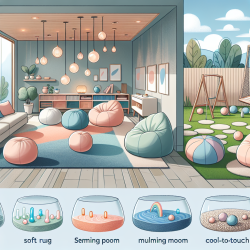
Home should feel like a safe landing place—especially for kids who experience the world in a big way. For some children, everyday sensations (bright lights, scratchy clothing, loud appliances, strong smells, cluttered spaces) can feel overwhelming. For others, the challenge is the opposite: they may seek extra movement, pressure, or sound to feel “just right.”
A sensory-friendly home doesn’t need to be expensive or Pinterest-perfect. It’s about noticing what helps your child feel calm, organized, and ready to participate—and then making small, practical adjustments. As a company that supports schools through online therapy services, TinyEYE often sees the same truth across settings: when the environment fits the child, learning and daily routines become easier.
What “sensory-friendly” really means
Sensory-friendly means the space reduces unnecessary stress and supports sensory regulation. Sensory regulation is the ability to manage sensory input (sound, touch, movement, visual information, smells, tastes) so a child can function comfortably.
Every child’s sensory profile is unique. Two kids can react completely differently to the same situation. A blender might be “no big deal” for one child and a full-body alarm for another. The goal is not to avoid all sensory experiences—it’s to create a home that offers:
Predictability (clear routines and expectations)
Choice (options for calming or alerting activities)
Comfort (reduced triggers and supportive tools)
Recovery (spaces and strategies for reset moments)
Start with a simple sensory “audit”
Before buying anything, observe. For a few days, notice when your child seems calm and when they seem dysregulated (meltdowns, shutdowns, constant movement, irritability, avoidance, or difficulty transitioning). Ask:
What time of day is hardest?
Which rooms are most challenging?
What sounds, lights, textures, or smells set things off?
What helps them recover faster?
If your child can share their thoughts, keep it simple: “Does this room feel too loud, too bright, too busy, or just right?” Even young children can often point, choose, or describe preferences.
Create a calming corner (no special room required)
A calming corner is a small, predictable spot where your child can reset. It is not a punishment space. It’s a “body break” space. Choose a quiet corner of a bedroom, living room, or even a closet nook.
What to include
A soft seat: beanbag, floor cushion, or a folded comforter
Cozy boundary: a small tent, canopy, or a chair turned toward the wall to reduce visual input
Simple calming tools: a stuffed animal, fidget, chewable jewelry (if appropriate), or a sensory bottle
A visual support: a small “break” card, feelings chart, or a 3-step calm plan
Keep it easy to use
Teach when calm: practice using the space during good moments
Use clear language: “Your body looks wiggly. Let’s take a break.”
Set a gentle structure: use a timer if your child likes knowing when the break ends
Lighting: one of the fastest wins
Lighting can change a child’s comfort level immediately. Harsh overhead lights and flicker (including some fluorescent bulbs) can be draining.
Use warm bulbs instead of cool blue-toned bulbs
Add lamps to reduce overhead glare
Try dimmers or smart bulbs if possible
Offer sunglasses or a hat indoors for kids who are light-sensitive
Use blackout curtains for sleep and rest spaces
If your child seeks visual input, consider a small, controlled visual tool in the calming corner (like a slow color-changing light). The key is controlled and predictable—not overstimulating.
Sound: reduce the “hidden noise”
Many homes have constant background noise: fans, appliances, TV, notifications, and echo in open rooms. For sound-sensitive kids, this can build stress all day.
Create quiet zones: one room where the TV stays off and voices stay softer
Use rugs, curtains, and soft furniture to reduce echo
Offer headphones: noise-reducing or noise-canceling options depending on needs
Try steady background sound: a white noise machine can help some children feel calmer
For kids who seek sound, try structured sound choices: music with a predictable beat, a short “dance break,” or a playlist used at specific times (clean-up song, bedtime song).
Touch and clothing: make comfort the default
Scratchy tags, seams, tight waistbands, or unexpected textures can derail a child’s day before breakfast.
Remove tags and choose seamless socks if needed
Let your child help choose fabrics (cotton, fleece, or other preferred textures)
Keep a “safe outfit” available for tough days
Offer alternatives for grooming: softer hairbrush, detangling spray, warm washcloth for face washing
If your child seeks touch input, provide it in positive ways: playdough, kinetic sand (with boundaries), textured crafts, or a “sensory bin” with a scoop and small toys.
Movement: build sensory breaks into the day
Movement is one of the most powerful regulation tools. Many children need movement to focus, transition, and manage emotions.
Easy movement ideas at home
Wall pushes or chair push-ups (heavy work)
Animal walks: bear walk, crab walk, frog jumps
Mini obstacle course: pillows to step on, tape line to balance, tunnel made from chairs
Trampoline with supervision or a safe jumping spot
“Delivery jobs”: carry laundry, bring groceries (light items), move books
Many families find that a short movement break before homework, meals, or bedtime reduces battles and improves follow-through.
Smell and taste: keep strong sensory input predictable
Smells can be surprisingly powerful triggers. Cleaning products, perfumes, cooking odors, and scented candles may be overwhelming.
Choose unscented or lightly scented products when possible
Ventilate during cooking and cleaning
Offer a “smell break” option: step outside, open a window, or use a fan
For picky eating or strong taste preferences, focus on reducing pressure and increasing predictability. Consider a “learning plate” where a new food can sit without the expectation to eat it. Keep mealtimes calm and consistent.
Make routines visual and predictable
Many sensory challenges get bigger during transitions. Visual supports can reduce anxiety and help kids feel in control.
Use a simple morning and bedtime checklist
Give transition warnings: “5 minutes, then shoes”
Try a “first-then” board: “First homework, then tablet”
Keep key items in the same place: backpack hook, shoe bin, lunch spot
Predictability is calming. When kids know what’s next, their nervous system often settles.
Design a sensory-friendly homework or learning spot
Not every child learns best at a desk. The best spot is the one that helps your child stay engaged.
Reduce visual clutter: a clear tabletop and limited items
Offer seating choices: chair, wobble cushion, standing spot
Try a foot support: a box or stool can help posture and focus
Use a timer for short work bursts
Keep tools nearby: pencil grip, fidget, or noise-reducing headphones if helpful
If schoolwork is consistently stressful, consider collaborating with your child’s school team. When home and school strategies match, kids often feel more successful.
Keep safety and supervision in mind
Sensory tools should be safe, age-appropriate, and supervised as needed. If your child chews on items, choose products designed for chewing. If your child seeks movement, ensure the space is clear and stable. When in doubt, consult an occupational therapist or your school support team.
A simple plan you can start today
If you want a quick starting point, try this three-step approach:
Pick one “reset space” (a calming corner) and keep it consistent.
Choose one daily sensory break time (before homework or before dinner).
Adjust one environmental trigger (lighting, noise, or clutter) in the hardest room.
Small changes, repeated consistently, can make home feel more comfortable for everyone.
For more information, please follow this link.