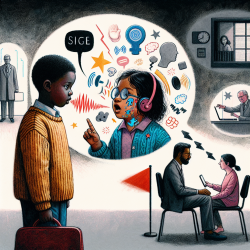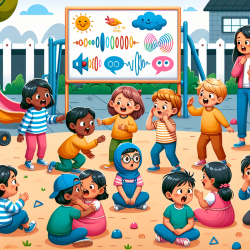
Stuttering can be confusing for kids and adults alike. One day a student seems to talk smoothly, and the next day their words get “stuck.” Some children repeat sounds (like “b-b-b-ball”), stretch sounds out (“ssssun”), or pause when they want to speak but can’t get the word started. Others may avoid certain words, rush through sentences, or decide it’s safer not to talk at all.
The good news is that kids who stutter can be supported in ways that reduce stress, build confidence, and improve communication skills over time. With the right approach at school and at home, children can learn strategies to manage stuttering and feel comfortable participating in class, social groups, and everyday conversations.
At TinyEYE, we provide online therapy services to schools, including speech-language support for fluency. That means students can access consistent, specialized care—without the school needing to recruit hard-to-find providers locally.
What stuttering is (and what it isn’t)
Stuttering is a speech difference that affects the flow of speech. It is not caused by a child being nervous, unprepared, or “not trying hard enough.” While stress can make stuttering more noticeable, it does not cause stuttering by itself.
Stuttering is also not a sign of low intelligence. Many students who stutter are strong thinkers and learners. The challenge is often the communication environment: speed, pressure, interruptions, teasing, or fear of being judged can make speaking feel risky.
When should adults be concerned?
Many young children go through periods of disfluent speech as their language skills grow quickly. Sometimes that resolves naturally. Other times, it continues and becomes a longer-term stutter. A speech-language pathologist (SLP) can help determine what’s going on and what support is appropriate.
Consider seeking an SLP’s input if you notice any of the following:
- Stuttering that lasts longer than 6 months
- Increased frequency or intensity over time
- Visible tension in the face, neck, or body while speaking
- A child avoiding talking, changing words, or saying “I can’t say it”
- Strong frustration, embarrassment, or anxiety about speaking
- A family history of stuttering
Even when a child’s stuttering seems mild, early support can protect confidence and participation—two things that matter greatly in school.
How stuttering can show up at school
School is a speaking-heavy environment. Students are asked to answer questions quickly, read aloud, present projects, and participate in group work. For a child who stutters, these moments can be stressful, especially if they feel rushed or watched.
Common school impacts include:
- Reluctance to raise a hand or join discussions
- Difficulty with oral reading or timed speaking tasks
- Social challenges, including teasing or being interrupted
- Lower participation grades that don’t reflect true knowledge
- Increased anxiety before presentations or “share time”
Support at school is not only about speech strategies. It’s also about creating a communication culture where every student has time, respect, and safety to express themselves.
What helps kids who stutter: practical, child-friendly supports
There is no one-size-fits-all approach. Effective stuttering support is individualized and often includes a mix of skill-building and confidence-building. Below are strategies that are commonly helpful in school and at home.
1) Slow the pace around the child (without telling them to “slow down”)
Adults can model a calm speaking rate. When the environment feels less rushed, many children find it easier to communicate.
- Use slightly shorter sentences when giving directions
- Pause before responding to show you are listening
- Build in “wait time” after asking questions
2) Listen to the message, not the stutter
Children notice where adults place attention. When adults stay focused on what the child is saying, it sends the message: “Your ideas matter.”
- Maintain natural eye contact
- Let the child finish without jumping in
- Respond to content first (not fluency)
3) Reduce pressure in speaking situations
Pressure can come from time limits, performance expectations, or constant correction. A supportive environment can lower the “communication load.”
- Offer choices: “Do you want to answer now or after you think?”
- Allow alternatives to oral reading (partner reading, choral reading, or pre-reading)
- Provide presentation options (recorded video, small-group presentation, or presenting with a partner)
4) Teach simple fluency tools (when appropriate)
Some students benefit from learning strategies that help speech feel easier. An SLP can teach these in a developmentally appropriate way, such as:
- Easy onset (starting speech gently)
- Light contacts (using softer touches for speech sounds)
- Stretchy speech (slowing and smoothing words)
- Pausing and phrasing (breaking speech into manageable chunks)
These tools work best when they are taught carefully and practiced in real situations, not used as a “fix it right now” command.
5) Build communication confidence
For many children, the hardest part of stuttering is not the speech itself—it’s how they feel about it. Therapy often includes helping students advocate for themselves and participate even when speech isn’t perfectly smooth.
- Teach self-advocacy phrases: “Sometimes my speech gets stuck. Please give me a moment.”
- Practice “brave talking” in low-pressure settings
- Celebrate participation, not perfection
What to avoid saying (even when you mean well)
Adults often try to help by offering quick advice. Unfortunately, some common phrases can increase pressure or shame.
- “Slow down.”
- “Take a breath.”
- “Relax.”
- “Start over.”
- “Think before you speak.”
- “Just say it.”
Instead, try supportive language that keeps the child in control:
- “I’m listening. Take your time.”
- “It’s okay—go ahead.”
- “I like what you’re telling me.”
- “Do you want to try that again, or keep going?”
How TinyEYE supports schools and students who stutter
Stuttering support is most effective when it’s consistent and coordinated. That’s where school-based therapy can make a major difference—especially when services are accessible and reliable.
TinyEYE provides online therapy services to schools, connecting students with qualified clinicians who understand how to support fluency in educational settings. Online therapy can be a strong fit for stuttering intervention because it allows:
- Consistent scheduling across the school year, even when local staffing is limited
- Individualized therapy based on the student’s needs, age, and communication goals
- Collaboration with school teams so strategies carry over into classrooms
- Student-friendly sessions that can include practice for real school moments like answering questions, reading aloud, or presenting
In therapy, students may work on fluency strategies, communication confidence, self-advocacy, and coping skills for speaking situations. Just as importantly, therapy can help adults around the student understand how to respond in ways that reduce pressure and increase participation.
Simple classroom supports that make a big difference
Teachers don’t need to be fluency experts to be helpful. Small shifts can protect a student’s willingness to speak.
- Give the student the option to pass and return later
- Use predictable turn-taking structures in discussions
- Don’t require “speed answers” for participation points
- Check in privately about what supports feel best
- Address teasing immediately and directly
When classroom routines are flexible and respectful, students who stutter often participate more—and peers learn how to be better listeners.
A hopeful message to kids (and the adults who care about them)
Stuttering is not a character flaw. It is not something a child chooses. With understanding, evidence-based support, and a communication environment that values patience and respect, children who stutter can thrive socially and academically.
If you’re a school leader, educator, or family member looking for support, partnering with a therapy provider that understands school realities can make the process smoother. TinyEYE’s online therapy services help schools deliver consistent care so students can focus on learning, connecting, and sharing their ideas.
For more information, please follow this link.