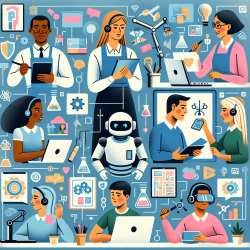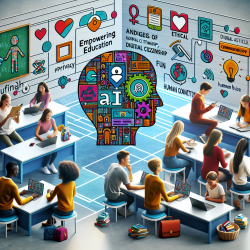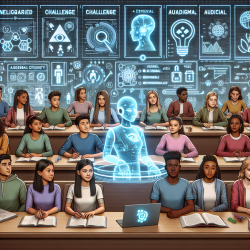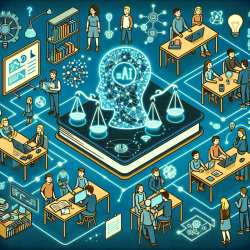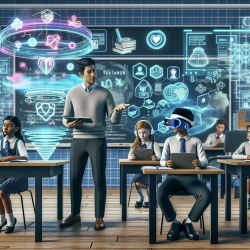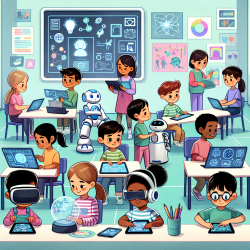
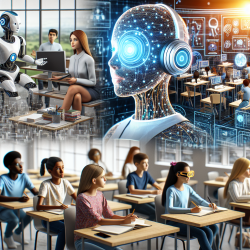
The landscape of education is constantly evolving, and one of the most significant advancements in recent years is the integration of Artificial Intelligence (AI) into teaching and learning processes. As AI technology becomes more sophisticated, its applications in education are expanding, offering new opportunities for enhancing student learning experiences and supporting educators in their roles.
Understanding AI in Education
AI in education refers to the use of automated systems that can perform tasks typically requiring human intelligence, such as visual perception, speech recognition, decision-making, and language processing. These systems are designed to support various educational activities by detecting patterns in data and making informed decisions to improve learning outcomes.
The Role of AI in Enhancing Teaching
One of the primary benefits of AI in education is its potential to alleviate some of the burdens placed on teachers. By automating routine tasks such as grading and administrative duties, AI allows educators to focus more on personalized instruction and student engagement. AI-powered tools can also provide teachers with valuable insights into student performance, enabling them to tailor their teaching strategies to meet individual needs.
AI-Powered Learning Experiences
For students, AI can create more personalized and adaptive learning experiences. Intelligent Tutoring Systems (ITS) are a prime example of how AI can offer step-by-step guidance and feedback as students work through problems, helping them master complex concepts at their own pace. Additionally, AI can support students with disabilities by providing customized learning resources that cater to their specific needs.
Addressing Challenges: Ethical Considerations and Equity
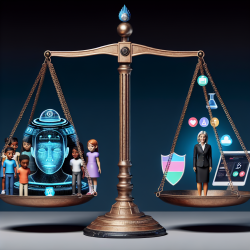
While the potential benefits of AI in education are significant, it is crucial to address the ethical challenges that accompany its implementation. Concerns about data privacy, algorithmic bias, and the potential for increased surveillance must be carefully considered to ensure that AI systems are used responsibly and equitably.
- Data Privacy: Protecting student data is paramount. AI systems must comply with privacy regulations to safeguard sensitive information.
- Algorithmic Bias: Developers must work diligently to eliminate biases in AI models that could lead to unfair treatment or discrimination against certain student groups.
- Transparency: Educators and students should have a clear understanding of how AI systems operate and make decisions.
The Path Forward: Recommendations for Implementing AI in Education
- Emphasize Human Involvement: Ensure that teachers remain central to instructional decisions by keeping humans "in the loop" when using AI systems.
- Pursue Equity: Develop AI models that recognize and build upon each student's strengths while addressing diverse learning needs.
- Sustain Trust: Build trust with educators by providing transparent information about how AI systems work and their impact on teaching and learning.
The integration of AI into education holds tremendous promise for enhancing learning outcomes and supporting educators. However, it requires careful consideration of ethical practices and a commitment to equity for all students. By addressing these challenges head-on, we can create a future where AI plays a positive role in shaping the educational experiences of tomorrow's learners.
For more information on this topic, please follow this link.