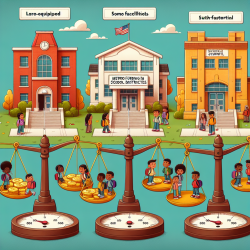
The concept of declining enrollment in public schools often carries a negative connotation, with fears of reduced funding and fewer resources for students who remain. However, a detailed analysis by EdChoice reveals a different narrative: declining enrollments can lead to an increase in per-student resources. This blog explores the findings from "The Enrollment Decline Windfall" report by Ben Scafidi, highlighting how public school districts manage resource allocation amidst changing student numbers.
Understanding Enrollment Declines and Resource Allocation
Enrollment declines in public schools have been observed across the United States, even before the COVID-19 pandemic. The EdChoice report examines data from various academic years to understand how these shifts impact school finances and resource availability for students who remain.
Key Findings from the Report
- Larger Expenditures per Student: Districts experiencing enrollment declines saw larger increases in total expenditures per student compared to those with enrollment gains. This trend was consistent across short-term (2018-2019), medium-term (2015-2019), and long-term (1998-2019) analyses.
- Increased Revenue Streams: Declining-enrollment districts benefited from larger increases in local, state, and federal revenues per student. This was due to favorable funding systems that do not proportionately reduce funding when student numbers decrease.
- Enhanced Real Resources: These districts translated financial gains into real resources such as higher staffing levels per 100 students and increased compensation for staff members.
The Role of School Finance Systems
The report highlights the role of school finance systems in supporting districts with declining enrollments. Many states have provisions that protect funding levels even when student numbers drop. Local funding is often not automatically reduced, and federal funding is typically not tied directly to enrollment numbers.
This financial buffer allows districts to maintain or even enhance resource availability for students who remain, contradicting the conventional belief that fewer students mean fewer resources.
The Impact on Rural Districts
The report also examines rural school districts, which often face unique challenges due to geographic and demographic factors. Similar to their urban counterparts, rural districts with declining enrollments saw increased resources per student. This trend underscores the widespread nature of the findings across different types of school districts.
A First Look at the COVID-Era Effects
The COVID-19 pandemic brought significant changes to public school enrollments and finances. While detailed fiscal data from this period is still emerging, initial analyses suggest that districts continued to increase staffing levels despite enrollment declines. The infusion of federal funds through relief acts played a role in sustaining resource levels during this time.
Looking Ahead: Policy Implications
The findings from the EdChoice report offer valuable insights for policymakers at local, state, and federal levels. As public schools face ongoing enrollment shifts, understanding the financial dynamics can guide decisions on funding allocations and resource management.
- Local Leaders: Encourage efficient use of resources and re-evaluate staffing needs in light of changing enrollments.
- State Policymakers: Consider revising funding formulas to ensure equitable distribution of resources while supporting schools with declining enrollments.
- Federal Authorities: Maintain support levels that account for enrollment changes without disproportionately disadvantaging any district type.
The EdChoice report challenges traditional assumptions about enrollment declines and highlights opportunities for optimizing resource allocation in public schools. For more information on these findings, please follow this link.