As we delve into the challenges faced by school districts across the nation, one pressing issue stands out—the critical shortage of mental health professionals in our schools. This shortage is not merely a staffing issue; it is a significant barrier to ensuring the well-being and success of our students.
The Current State of School Mental Health Staffing
Recent reports highlight alarming statistics: millions of students attend schools with law enforcement officers but lack access to essential mental health staff such as counselors, nurses, psychologists, and social workers. For instance, 14 million students are in schools with police but no counselor, nurse, psychologist, or social worker. This imbalance poses a severe risk to student safety and well-being.
Consequences of Insufficient Mental Health Support
School counselors and other mental health professionals play a crucial role in supporting students' emotional and psychological needs. They are often the first to notice signs of distress or trauma. However, with current staffing levels far below recommended standards—such as one counselor per 250 students—these professionals are overwhelmed and unable to provide adequate support.
This shortage leads to several negative outcomes:
- Increased Student Anxiety and Depression: Without proper support, students experiencing mental health issues may see their conditions worsen.
- Higher Rates of School Dropouts: Students struggling with mental health challenges often find it difficult to keep up academically, leading to higher dropout rates.
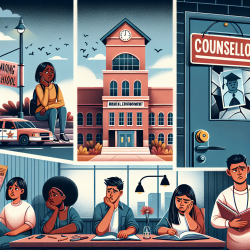
- Overcriminalization: In the absence of sufficient mental health support, schools may rely more on law enforcement for discipline, which can lead to increased student arrests and referrals.
The Role of Law Enforcement in Schools
The presence of law enforcement officers in schools is intended to enhance safety. However, studies have shown that their presence does not necessarily improve school safety and can contribute to a hostile environment for students. When police officers handle situations that could be managed by mental health professionals, it often leads to criminalizing behavior that should be addressed through counseling and support.
Recommendations for Addressing the Shortage
To address these challenges effectively, several measures can be implemented:
- Increase Funding for Mental Health Staff: Schools need federal and state support to hire more counselors, psychologists, social workers, and nurses.
- Reevaluate Resource Allocation: Funds currently directed toward law enforcement could be reallocated to enhance mental health services.
- Implement Evidence-Based Programs: Schools should adopt programs that promote social-emotional learning and provide training for teachers on recognizing mental health issues.
Conclusion
The shortage of school-based mental health providers is a significant issue that impacts student well-being and school safety. By prioritizing the hiring of qualified mental health staff over expanding law enforcement presence in schools, we can create a more supportive environment conducive to learning and growth. For more information on this topic, please follow this link.