In a landmark decision, a federal judge has ruled that the U.S. Department of Education must restore previously approved grants intended to fund mental health professionals in K-12 schools. This ruling came as a result of a lawsuit spearheaded by Attorney General Nessel and fifteen other attorneys general, challenging the abrupt discontinuation of these essential grants.
The Importance of Mental Health Support in Schools
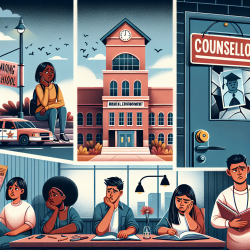
The need for mental health services in schools has never been more pressing. With the alarming rise in school shootings and other tragedies, Congress took bipartisan action to allocate $1 billion to bring 14,000 mental health professionals into schools across the United States. This initiative was particularly aimed at supporting low-income and rural communities, where access to such services is often limited.
The success of these programs was evident in their first year, as nearly 775,000 K-12 students received much-needed mental and behavioral health services. The availability of these professionals not only reduced wait times for students but also provided critical support systems within educational environments.
The Legal Challenge and Ruling
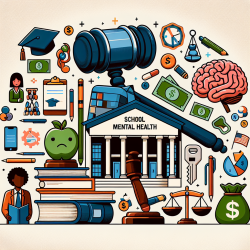
The controversy began when the Department of Education decided to discontinue these grants, citing a misalignment with the Trump administration's priorities. This sudden move was challenged by multiple states on the grounds that it violated the Administrative Procedure Act (APA), which requires federal agencies to follow certain procedures when making policy changes.
The lawsuit argued that the Department's actions were arbitrary and capricious. U.S. District Court Judge Kymberly Evanson agreed with this assessment, stating that there was no regulatory basis for discontinuing multi-year grants based on changing political priorities.
A Closer Look at the Court's Decision
Judge Evanson's decision emphasized adherence to established regulations and underscored the importance of maintaining continuity in grant funding. Her ruling required both parties to negotiate a timeline for reinstating the grants, ensuring that schools can continue to benefit from these crucial resources.
This decision was further supported by a three-judge panel from the Ninth Circuit Court of Appeals, which denied the Department's request for a stay on Judge Evanson's preliminary injunction.
Implications for Schools and Communities
The reinstatement of these grants is a significant victory for schools and communities nationwide. It ensures that vital mental health services remain accessible to students who need them most. By upholding the rule of law, this ruling not only protects current funding but also sets a precedent for future grant-related disputes.
Nessel expressed relief over the court's decision, highlighting her office's ongoing commitment to preserving federal funding for Michigan residents and challenging unlawful actions that threaten critical resources.
The Path Forward
This legal victory reaffirms the importance of maintaining stable support systems within educational settings. As schools navigate complex challenges, including student mental health needs, access to qualified professionals is indispensable.
The decision also serves as a reminder of the role that legal advocacy plays in safeguarding essential services. By holding federal agencies accountable, states can ensure that educational institutions receive the resources necessary to foster safe and supportive learning environments.
For more information, please follow this link.