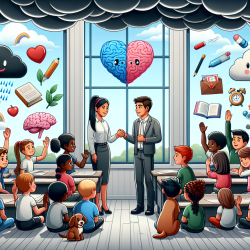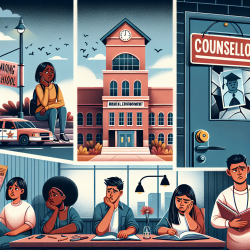
Mental health is a crucial aspect of our overall well-being, affecting how we think, feel, and act. It plays a significant role in how we handle stress, relate to others, and make decisions. In school settings, mental health is particularly important as it impacts students' ability to learn and thrive. With one in five children experiencing a clinical mental health disorder in the U.S., it’s vital for schools to implement effective counseling techniques and mental health support systems.
The Role of School-Based Mental Health Services
Statistics reveal that approximately 70% of students who receive mental health services do so at school. This underscores the importance of having robust mental health programs within educational environments. Schools serve as a critical point of contact for early intervention and support, helping to bridge the gap between students and the resources they need.
Key Counseling Techniques for School Environments
- Cognitive Behavioral Therapy (CBT): This goal-oriented, problem-focused approach helps students connect their thoughts, feelings, and behaviors. It's effective for addressing issues like depression, anxiety disorders, OCD, eating disorders, and PTSD.
- Reality Therapy: Focused on meeting students' needs through better choices and behavior changes, reality therapy emphasizes present actions over past mistakes.
- Solution-Focused Therapy: This technique encourages positive goal-setting by focusing on strengths rather than problems. It’s particularly useful for brief counseling sessions where time is limited.
Addressing Trauma and Building Resilience
Trauma can have lasting adverse effects on an individual’s functioning and well-being. In schools, it’s essential to create an environment that fosters resilience through strategies such as regulation, relationships, routines, and resilience-building activities. By doing so, schools can help students navigate the challenges they face and emerge stronger.
The Importance of Confidentiality and Ethical Considerations
When providing mental health services in schools, confidentiality is paramount. Students need to feel safe sharing their concerns without fear of judgment or exposure. Ethical considerations also include respecting cultural differences and ensuring that interventions are developmentally appropriate.
Resources and Support Systems
Schools should establish both internal and external support systems to address mental health needs effectively. Internal systems might include crisis teams or safe school programs, while external resources could involve partnerships with local mental health authorities or community counselors.
Additionally, therapy dogs like Ruby in-training can offer comfort and companionship to students facing emotional challenges.
A Call to Action: Engaging with Mental Health Initiatives
For parents, educators, and community members interested in supporting school-based mental health initiatives, it’s crucial to stay informed and involved. By understanding the challenges students face and advocating for comprehensive support systems, we can create an environment where every student has the opportunity to succeed.
If you’re interested in learning more about implementing effective mental health practices in schools, please follow this link.