Why therapy wait times matter for students
When a student needs speech-language therapy, occupational therapy, or other related services, time matters. Delays can affect communication, literacy, social participation, behavior, and access to the curriculum. For schools, long wait lists can also create compliance pressure: IEP services must be delivered as written, and staffing gaps can quickly become service gaps.
In 2025, many communities are seeing a familiar pattern: families can sometimes get in quickly if they pay privately, but insurance-based care and hospital outpatient services often involve long waits. The impact shows up at school, where teams are trying to support students while also coordinating with outside providers—or trying to find providers in the first place.
What the 2025 data suggests: waits vary by setting, not just by state
The table below summarizes estimated wait times across several states and facility types. While every region has its own story, a consistent theme emerges: the longer the administrative complexity and the tighter the workforce, the longer the wait.
Estimated Wait Times by State and Facility Type (2025)
- AZ: Private Clinic (Private Pay) 1–2 Weeks; Private Clinic (Insurance) 4–8 Weeks; Hospital Outpatient 3–6 Months. Drivers: Teletherapy saturation; rapid population growth.
- CA: Private Pay 1–3 Weeks; Insurance 2–4 Months; Hospital 6–12 Months. Drivers: High cost of living; Regional Center bureaucracy.
- FL: Private Pay 0–2 Weeks; Insurance 6+ Months; Hospital 6–12 Months. Drivers: Medicaid network failure; Scholarship programs.
- ID: Private Pay 2–4 Weeks; Insurance 4–8 Weeks; Hospital 3–5 Months. Drivers: Limited provider pool; concentrated urban care.
- IL: Private Pay 2–4 Weeks; Insurance 3–6 Months; Hospital 6–9 Months. Drivers: Prescription mandates; union/hospital density.
- IN: Private Pay 2–4 Weeks; Insurance 4–8 Weeks; Hospital 3–5 Months. Drivers: Strong hospital networks; stable workforce.
- MI: Private Pay 2–4 Weeks; Insurance 3–6 Months; Hospital 6+ Months. Drivers: Seasonal fluctuations; Early On system.
- MN: Private Pay 1–3 Weeks; Insurance 4–8 Weeks; Hospital 3–6 Months. Drivers: Strong healthcare infrastructure.
- MT: Private Pay 1–3 Weeks; Insurance 2–4 Months; Hospital Varies. Drivers: Low density; reliance on generalists.
- NC: Private Pay 1–2 Weeks; Insurance 2–4 Months; Hospital 4–6 Months. Drivers: Urban/Rural divide; Research Triangle supply.
- NM: Private Pay 4–8 Weeks; Insurance 6+ Months; Hospital 7–12 Months. Drivers: Severe workforce shortage; rural deserts.
- NV: Private Pay 1–2 Weeks; Insurance 3–6 Months; Hospital 9–12 Months. Drivers: Public sector failure (275-day wait).
- OH: Private Pay 1–2 Weeks; Insurance 2–4 Months; Hospital 4–6 Months. Drivers: Rural shortages; strong urban competition.
- OK: Private Pay 2–4 Weeks; Insurance 3–5 Months; Hospital 4–6 Months. Drivers: Non-profit dominance; rural gaps.
- PA: Private Pay 2–4 Weeks; Insurance 3–6 Months; Hospital 6–12 Months. Drivers: CHOP dominance; home health models.
- TX: Private Pay 0–2 Weeks; Insurance 2–4 Months; Hospital 4–6 Months. Drivers: Deregulated market; high competition.
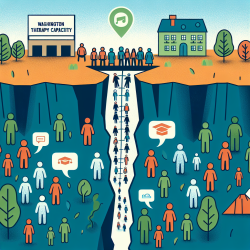
- WA: Private Pay 2–4 Weeks; Insurance Closed/Waitlist; Hospital 6+ Months. Drivers: Capacity caps; clinic closures.
- WI: Private Pay 2–4 Weeks; Insurance 3–5 Months; Hospital 4–6 Months. Drivers: Consultative models bridging gaps.
- WY: Private Pay 4–8 Weeks; Insurance 4–6 Months; Hospital Limited. Drivers: Legislative workforce expansion pending.
What’s driving the delays (in plain language)
Wait times aren’t just about “not enough therapists,” though workforce shortages are real. The drivers listed in the data point to a few practical realities that schools and families run into every day.
1) Insurance and system complexity slow everything down
Private pay can move quickly because scheduling is straightforward. Insurance-based care can take months because of:
- Limited in-network provider availability
- Prior authorizations and documentation requirements
- Provider caps (clinics limiting insurance slots to manage reimbursement rates)
- Administrative backlogs in large systems
2) Urban concentration leaves rural areas behind
Several states note an urban/rural divide or “rural deserts.” Even when a state has strong providers in metro areas, students outside those hubs may face long drives, missed work for caregivers, and fewer appointment times.
3) High cost of living and workforce churn
In high-cost regions, therapists may leave clinical roles, relocate, or shift to settings with better compensation. That turnover hits continuity of care and increases wait lists.
4) Public sector capacity limits
When hospital outpatient programs and public systems are overwhelmed, families often turn to schools for support—sometimes before outside services can even begin. In extreme cases (like the noted 275-day wait), the delay can span most of a school year.
What long wait times mean for schools (and why it’s not just a family issue)
From a special education perspective, long community wait lists can create a ripple effect:
- IEP implementation risk: If a district can’t staff services, it can fall out of compliance even when the need is well documented.
- Evaluation bottlenecks: Shortages can delay assessments, which delays eligibility decisions and service initiation.
- More intensive needs later: When early support is delayed, students may require more intensive intervention to close gaps.
- Staff burnout: Existing clinicians carry larger caseloads, increasing turnover and compounding shortages.
Practical steps schools can take right now
Wait times may be outside a school’s control, but service delivery planning is not. These strategies can help districts respond proactively and ethically.
Strengthen scheduling and service tracking
- Audit missed minutes and identify patterns (coverage gaps, campus travel time, high-absence periods).
- Build schedules that protect therapy time (avoid “floating” sessions that are easy to bump).
- Use clear documentation routines so make-up services are planned, not improvised.
Use a tiered support mindset
Not every student needs the same service intensity at the same time. A tiered approach can help allocate clinician time responsibly:
- Direct therapy for students who need skill acquisition and guided practice
- Consultation to support generalization in the classroom
- Caregiver/teacher coaching to increase carryover between sessions
Consider online therapy as a staffing and access solution
Online therapy can reduce barriers that commonly drive delays, including commuting time, limited local provider pools, and difficulty recruiting for hard-to-fill positions. For schools, it can also support continuity when in-person staffing changes mid-year.
TinyEYE Therapy Services is an online option schools can use to help provide consistent, school-based therapy support. When implemented thoughtfully, teletherapy can:
- Increase access for rural and underserved communities
- Support coverage during vacancies, leaves, or hard-to-recruit regions
- Reduce missed sessions due to travel between buildings
- Improve scheduling flexibility while keeping services aligned to IEP goals
How families can navigate long waits without losing momentum
Families often feel stuck when a clinic says “we can see you in six months.” While schools can’t replace medical care, collaboration can reduce the impact of delays.
- Ask for wait list details: Is there a cancellation list? Are there specific days with faster openings?
- Request documentation: Get written confirmation of wait times; it helps with planning and advocacy.
- Coordinate with the school team: Share relevant outside recommendations so goals and supports align.
- Focus on carryover: Small, consistent routines at home and school often matter as much as session frequency.
A realistic takeaway: access is uneven, but options are expanding
The 2025 wait-time estimates highlight a hard truth: access depends heavily on location, funding pathways, and system capacity. Private pay may be measured in weeks, while insurance and hospital outpatient services can stretch into many months.
For schools, the most effective response is a combination of strong service delivery systems, flexible staffing models, and clear communication with families. For many districts, adding online therapy support is one practical way to reduce gaps and keep student progress moving forward.
For more information, please follow this link.