Why “Therapy Access” Looks So Different From State to State
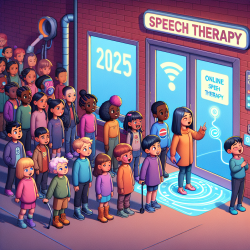
When families and schools talk about getting speech-language pathology (SLP), occupational therapy (OT), or other related services, the conversation often turns to the same question: “How long will we have to wait?”
But wait times are only part of the story. Access depends on where you live, how many providers are available, and whether a community can keep clinicians long-term. For schools, these challenges show up as missed minutes, difficulty hiring, and students waiting far too long for support that should be timely and consistent.
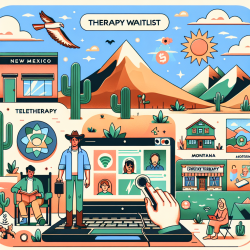
Two states illustrate this clearly: New Mexico and Montana. Both have rural communities and large distances between population centers, but the way therapy access breaks down in each state is different. Understanding those differences helps schools plan smarter, more reliable service delivery.
New Mexico: A “Therapy Desert” With Long Waits and Few Providers
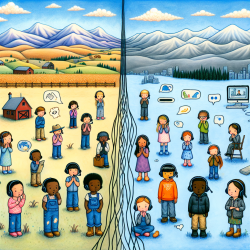
New Mexico is often described as a therapy desert. That phrase matters because it doesn’t just mean “limited services.” It means entire regions may have no providers at all, and even the areas with providers can have long lines of families waiting.
Market Conditions: “Deserts and Oases”
Reports from 2025 describe a “deserts and oases” model across New Mexico:
- Urban centers (like Albuquerque and Rio Rancho) may have providers, but families can face long waitlists.
- Rural areas may have no local providers, creating a true access gap rather than a delay.
In practical terms, this means a family might live in a city and still wait months, while a family in a rural community may have no realistic in-person option at all.
Workforce Drain: Why the Shortage Keeps Growing
New Mexico also struggles to retain SLPs and other specialists. When a state cannot keep clinicians, schools and clinics often rely on:
- Traveling therapists (who may rotate in and out)
- Temporary staffing solutions
- Teletherapy to reach students across distances
The ECHO 2025 Report highlights that services such as OT, SLP, and ABA are nearly impossible to access due to long wait times. For schools, that often translates into a familiar cycle: vacancies stay open, caseloads rise, and service delivery becomes harder to stabilize.
Estimated Wait Times in New Mexico
- Urban areas: approximately 6–9 months
- Rural areas: 12+ months (or services may be non-existent)
From a special education perspective, these timelines are more than inconvenient. They can affect:
- Early identification and intervention
- Progress toward IEP goals
- Student confidence and classroom participation
- Family trust in the support system
What This Means for Schools in New Mexico
Schools are often the most consistent point of support for students, especially in communities facing poverty and geographic isolation. When outside services are delayed, school-based services become even more essential.
In a therapy desert environment, schools may need to think in terms of continuity and coverage:
- Continuity: Can students receive consistent sessions with minimal cancellations?
- Coverage: Can the district meet service minutes even when hiring is difficult?
- Collaboration: Can therapists coordinate with teachers and families so strategies carry over into daily routines?
Montana: Generalist Models and Uneven Wait Times
Montana’s challenge is different. With low population density and large travel distances, the state relies heavily on generalist models and state-mandated early intervention structures. In some areas, families can find services quickly. In others, access depends on staffing and local infrastructure.
Access Metrics: “No Waitlist” in Some Private Settings
One notable point from the provided information is that some private providers in Montana advertise speed as a key feature. For example, MTAV Speech Therapy (More Than A Voice) explicitly advertises “No Waitlist” and immediate scheduling. This suggests a strategic choice: in population hubs, providers may prioritize fast access to serve families quickly and capture limited market share.
However, Montana’s overall picture is more nuanced than a single “no waitlist” message.
A Key Distinction: Part C (0–3) vs. School-Age (3–17)
Montana Milestones reports that there is “never a waitlist” for Part C (birth to age 3) services. That matters because Part C is an entitlement program with structures designed to ensure early intervention access.
But that entitlement does not automatically extend to the 3–17 demographic. Once children enter preschool and school-age services, access can become more variable depending on:
- Local staffing levels
- District hiring capacity
- Availability of hospital or private providers
- Travel distance and weather-related barriers
Montana’s Mix of Service Models
The information provided references multiple programs and service sites, reflecting a patchwork of supports across the state. Examples include:
- Private practice models (such as clinics that accept many insurances)
- Hospital-based services serving critical rural access roles
- Early intervention programs with stronger guarantees for the youngest children
This variety can be a strength, but it can also lead to inconsistency. A family’s experience may depend heavily on their zip code.
Estimated Wait Times in Montana
- Private services: approximately 2–6 weeks
- Hospital-based services: varies by rural staffing; often 2–4 months
Compared to New Mexico, Montana may look “faster” in some areas. But for students who rely on school-based services, even a 2–4 month delay can be significant—especially when speech and language needs affect reading, writing, behavior, and social participation.
Key Takeaways: What Schools Can Learn From These Two States
New Mexico and Montana show two different versions of the same national issue: students need services, but the workforce and geography make access uneven.
1) Waitlists Are Not Just a Clinic Problem
When community services are delayed, schools often become the primary provider by default. That increases pressure on special education teams and can lead to compliance and staffing challenges.
2) Rural Access Requires a Different Plan Than Urban Access
Urban districts may need support managing high demand and long queues. Rural districts may need solutions that work even when there are no local providers to hire.
3) Consistency Matters as Much as Speed
A “quick start” is helpful, but students make progress when services are consistent, goals are clear, and strategies are carried into classrooms and homes.
How Online Therapy Can Help Districts Build Reliable Support
At TinyEYE, we provide online therapy services to schools, designed to help districts expand capacity and improve consistency—especially in areas where hiring and retention are difficult.
For schools navigating long waitlists, workforce drain, or geographic isolation, online therapy can support:
- Staffing stability: filling service gaps when positions are hard to recruit
- Access equity: reaching students in rural communities without requiring long travel
- Scheduling flexibility: supporting service delivery within the school day
- Collaboration: coordinating with educators and IEP teams to keep goals instructionally relevant
Most importantly, it helps schools focus on what matters most: students getting the support they need, when they need it.
For more information, please follow this link.