Wyoming is known for wide-open spaces, close-knit communities, and schools that often serve students across large geographic areas. Those same strengths can also create a very real challenge: getting the right specialists to the right students at the right time. When it comes to speech-language pathology services, Wyoming’s workforce shortage has become critical enough that it is prompting legislative intervention and new approaches to service delivery.
As an experienced special education writer, I’ve seen how staffing gaps ripple outward. A vacancy isn’t just an HR problem; it affects IEP timelines, service minutes, staff morale, and—most importantly—student progress. In Wyoming, the conversation has moved beyond “How do we recruit?” to “How do we redesign the system so students still receive high-quality services even when in-person staffing is limited?”
Wyoming’s Workforce Crisis: Why Legislative Intervention Matters
Wyoming has historically struggled to fill speech-language pathologist (SLP) vacancies. This is not a new issue, but the persistence and severity of the shortage has pushed the state toward legislative solutions—specifically, efforts to create new tiers of providers, including “Speech-Language Pathology Assistant” (SLPA) positions.
When a state considers expanding provider tiers, it signals a few important realities:
The need is widespread. Vacancies aren’t isolated to one district or region; they are systemic.
Traditional recruitment alone isn’t enough. Even strong hiring incentives may not overcome geographic barriers, limited candidate pools, or competition from other states.
Schools need sustainable staffing models. Creating SLPA roles can help distribute workload, support service delivery, and allow SLPs to focus on evaluation, complex cases, and compliance responsibilities.
It’s important to note that adding an SLPA tier is not a shortcut around quality. When implemented thoughtfully, SLPAs can be part of a structured team model where licensed SLPs supervise and guide intervention. The goal is to increase capacity while maintaining appropriate oversight and ensuring students receive evidence-based therapy aligned to their IEP goals.
What Staffing Shortages Look Like in Real School Terms
In schools, speech therapy is not optional—it is a related service that supports access to education. When staffing is short, schools may experience:
Delayed evaluations for initial eligibility or re-evaluations
Difficulty meeting service minutes for students already on IEPs
Increased caseloads for existing clinicians, raising burnout risk
Service delivery “triage,” where only the most urgent needs are addressed consistently
Compliance pressure on special education teams and administrators
For students, these gaps can mean missed practice opportunities, slower progress in speech sound production or language development, and reduced support for classroom participation. For families, it can create confusion and frustration—especially when communication needs affect academics, social interaction, and behavior.
The Private Market in Wyoming: Smaller Models, Limited Capacity
Wyoming’s private therapy market includes a mix of smaller, home-based models and multi-location pediatric therapy providers. Examples in the state include Wyoming Speech and Literacy (Cheyenne) and Mountain West Speech Services, which operate with smaller footprints. Sensational Kids Pediatric Therapy has locations in Sheridan, Casper, Cheyenne, and Gillette.
These options can be meaningful for families who can access them, but private clinics often face the same staffing realities as schools:
Recruitment challenges in rural or remote areas
Limited appointment availability due to clinician capacity
Travel barriers for families spread across large regions
Private services can complement school services, but they typically cannot replace the school’s responsibility to provide IEP-required therapy. When schools are short-staffed, families may seek private care, yet the system still needs a school-based solution that is reliable, equitable, and scalable.
Telehealth Reliance: A Practical Response to a Geographic Reality
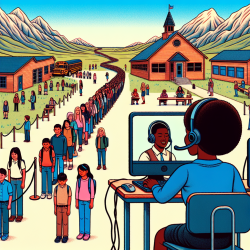
Telehealth is becoming a cornerstone strategy in Wyoming, not because it is trendy, but because it addresses the state’s geographic and workforce constraints. Some providers market specialized approaches and use telehealth to bring senior clinicians into the state digitally, expanding access without requiring clinicians to relocate.
In school settings, teletherapy can be especially powerful when it is implemented with a clear model and strong collaboration. For example, online therapy can help districts:
Fill vacancies faster when local candidates are limited
Reduce service disruptions caused by turnover or leave
Provide consistent scheduling across multiple schools
Access specialized expertise for complex communication needs
Teletherapy is not “less than” in-person therapy by default. Like any service delivery model, quality depends on clinician expertise, the therapy platform, student engagement supports, and school partnership. Many students respond well to digital sessions—especially when therapy is interactive, structured, and tailored to their goals.
Wait Times: What Wyoming Families and Schools Are Experiencing
Wait times are often the clearest indicator of a system under strain. In Wyoming, estimated waits include:
Private therapy: approximately 4–8 weeks
Public/school-based overflow: approximately 4–6 months
From a special education perspective, long waits can create a gap between identification and intervention. And with communication, time matters. Early and consistent support can reduce the long-term impact of speech and language challenges on reading, writing, learning, and peer relationships.
For school leaders, these wait times also raise practical questions:
How do we maintain compliance when staffing is limited?
How do we ensure students receive appropriate services without overloading existing staff?
How do we build a model that can flex when vacancies occur?
Key Insights for Wyoming Districts: Building Capacity Without Compromising Quality
Wyoming’s legislative interventions and growing telehealth reliance point to a bigger shift: schools are moving toward layered staffing and flexible service delivery. Here are practical, school-centered takeaways that can help districts respond thoughtfully.
1) Consider a tiered service model
When SLPAs are part of the workforce, districts can create clearer role definitions:
SLPs focus on evaluation, eligibility, treatment planning, supervision, complex cases, and compliance documentation.
SLPAs support direct intervention under supervision, carry out practice activities, and help maintain consistency.
This can expand service capacity while keeping clinical decision-making where it belongs: with licensed SLPs.
2) Use teletherapy to stabilize service delivery
Teletherapy can reduce the “all-or-nothing” nature of staffing. Instead of waiting months to hire locally, districts can maintain continuity through online service delivery—especially during recruitment cycles, leaves, or mid-year vacancies.
3) Plan for collaboration, not just coverage
The best outcomes happen when online clinicians and school teams work as partners. That includes:
Scheduling support and reliable student access to sessions
Communication with teachers and special education case managers
Shared progress monitoring and goal updates
Family communication that is clear and consistent
4) Treat wait times as an equity issue
When wait times stretch to 4–6 months in public/school-based overflow situations, the students most affected are often those with fewer outside resources. Teletherapy and tiered staffing can help reduce inequities by expanding access across regions, not just in population centers.
How TinyEYE Supports Schools in Workforce-Challenged States
TinyEYE provides online therapy services to schools, which can be a strong fit for states like Wyoming where distance and staffing shortages intersect. When districts use online therapy strategically, they can protect student services, reduce backlog pressure, and create a more resilient special education system—one that doesn’t depend on a single hard-to-fill position.
Ultimately, Wyoming’s situation is not just a challenge; it is also an opportunity to build modern service models that keep students at the center. With the right mix of legislative support, tiered staffing, and high-quality teletherapy, schools can move from “coping with shortages” to “designing for access.”
For more information, please follow this link.