Anxiety and Sensory Sensitivities: Why This Connection Matters
Many children experience anxiety, and many children also experience sensory sensitivities. For some, these two areas overlap in ways that can be confusing for families and school teams: a child may appear “overly emotional,” “defiant,” or “distracted,” when they are actually overwhelmed by sensory input and worried about what will happen next. Understanding the relationship between anxiety and sensory sensitivities helps adults respond with support rather than punishment, and it can reduce stress for everyone involved.
In school settings, this understanding is especially important. Classrooms are busy, unpredictable environments with constant sensory demands: noise, movement, bright lights, crowded hallways, strong smells, and frequent transitions. For a child with sensory sensitivities, these everyday experiences can feel intense. When the nervous system is already on high alert, anxiety can increase quickly.
What Are Sensory Sensitivities?
Sensory sensitivities occur when the brain and body respond strongly to sensory information. Sensory input includes what we see, hear, smell, taste, touch, and also how we experience movement and body position. Some children are sensitive to certain types of input (for example, sound), while others have broader sensitivities across multiple senses.
Sensory sensitivities can look different from child to child. A child may:
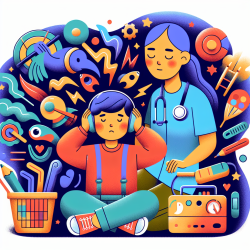
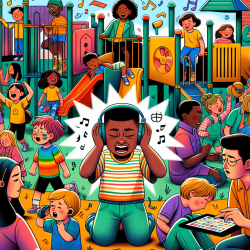
- Cover their ears during assemblies, lunch, or fire drills
- Avoid certain clothing textures, tags, or seams
- Become distressed in crowded spaces or during line-ups
- React strongly to smells in the cafeteria or classroom
- Struggle with hair brushing, nail cutting, or tooth brushing
- Have difficulty with unexpected touch or close proximity
- Seek control over routines to feel safe and regulated
These reactions are not simply “preferences.” For many children, the sensory experience is genuinely uncomfortable or even painful. When adults recognize that sensory discomfort is real, we can better understand why a child might become anxious or avoidant.
How Anxiety Shows Up in Children
Anxiety in children does not always look like worry in words. Many children cannot yet explain what they feel, and anxiety may show up through behavior, physical symptoms, or avoidance.
Common signs of anxiety in children include:
- Frequent stomachaches or headaches (especially before school or specific activities)
- Difficulty separating from caregivers
- Perfectionism or fear of making mistakes
- Meltdowns during transitions or unexpected changes
- Refusal behaviors (not doing work, not entering the classroom, not participating)
- Sleep difficulties or fatigue
- Increased irritability, tears, or “shut down” behavior
When sensory sensitivities are present, anxiety can intensify because the child anticipates discomfort. For example, if the cafeteria is loud and crowded, a child may begin worrying about lunch long before the bell rings.
Why Sensory Sensitivities Can Increase Anxiety
To understand the connection, it helps to think about the nervous system. When a child’s sensory system is highly reactive, their body may spend more time in a “fight, flight, or freeze” state. In that state, it is harder to focus, communicate, problem-solve, and tolerate frustration.
Sensory overload can create anxiety in several ways:
- Unpredictability: Sensory experiences can change quickly (a sudden loud noise, a crowded hallway). Unpredictability is a common anxiety trigger.
- Loss of control: A child cannot always escape the sensory environment, especially in school. Feeling trapped can increase panic.
- Social stress: Children may worry about looking “different” if they cover their ears, refuse certain activities, or need breaks.
- Accumulated stress: Small sensory stressors throughout the day can build until the child “explodes” later, often at home.
Importantly, anxiety can also increase sensory sensitivity. When a child is anxious, their brain scans for danger. Sounds may seem louder, touch may feel more irritating, and transitions may feel more threatening. This cycle can be exhausting for children and adults alike.
Common School Triggers for Sensory-Related Anxiety
School teams often notice patterns. While every child is unique, these environments frequently contribute to sensory stress and anxiety:
- Arrival and dismissal routines
- Busy hallways and locker areas
- Assemblies, pep rallies, and fire drills
- Cafeterias and playgrounds
- Group work with close proximity and unpredictable noise
- Substitute teachers or schedule changes
- Testing environments with heightened pressure
- Art, music, and gym (high sensory demand and movement)
When adults identify triggers, they can proactively support the child instead of responding only after distress occurs.
Support Strategies: What Helps at Home and at School
Effective support is usually a combination of environmental adjustments, skill-building, and consistent adult responses. The goal is not to remove all challenges, but to reduce unnecessary stress so the child can learn and participate.
1) Predictability and Preparation
- Use visual schedules and clear routines
- Preview changes in advance whenever possible
- Offer simple “first-then” language (for example: “First math, then a break”)
- Practice upcoming events (assemblies, field trips) with social narratives
2) Sensory-Smart Environmental Adjustments
- Provide seating options (preferential seating away from noise or traffic)
- Reduce visual clutter when possible
- Allow noise-reducing headphones during independent work or loud settings
- Create a calm corner or designated break space
- Use soft lighting or natural light when feasible
3) Teach Regulation Skills (Not Just Compliance)
Children benefit when adults explicitly teach what to do when their body feels overwhelmed. Helpful skills include:
- Breathing routines (short, practiced strategies the child can use quickly)
- Body check-ins (naming sensations like “tight chest” or “buzzing hands”)
- Simple coping statements (“I can take a break,” “This will pass”)
- Requesting help with a signal or card (especially for children with limited language)
4) Build in Movement and Breaks
Movement can help regulate the sensory system and reduce anxiety. Consider:
- Short movement breaks between tasks
- Classroom jobs that involve walking or carrying materials
- Heavy work activities (pushing, pulling, carrying) as appropriate and safe
- Structured recess support for children who find unstructured time stressful
5) Use a Supportive Adult Response During Escalation
When a child is overwhelmed, reasoning and lecturing often backfire. A calm, predictable adult response helps the nervous system settle. Helpful approaches include:
- Keep language short and neutral
- Validate the experience (“That was really loud. Your ears hurt.”)
- Offer a clear option (“Break or headphones?”)
- Focus on safety and regulation first, problem-solving later
When to Seek Additional Support
If anxiety and sensory sensitivities are interfering with learning, friendships, attendance, or family routines, it may be time to involve additional supports. In school, this might include a collaborative plan with educators and specialized staff. Children may benefit from services such as:
- Occupational therapy: to support sensory processing, regulation, and functional participation
- Speech-language therapy: to build communication skills for self-advocacy, emotional vocabulary, and social interaction
- Mental health support: to address anxiety patterns, coping skills, and emotional regulation
It is also helpful to consider whether the child’s sensory needs and anxiety are connected to broader learning, attention, or developmental differences. A comprehensive, team-based approach can clarify what the child needs and how to support them consistently across settings.
How Online School-Based Therapy Can Help
Schools often face challenges meeting the growing needs of students, especially when specialized providers are limited. Online therapy can help schools deliver consistent services, collaborate with educators, and support families with practical strategies that carry over into daily routines.
At TinyEYE, we understand that children do best when adults share a common plan. Whether the focus is communication, regulation, classroom participation, or coping skills, effective support is built through:
- Clear goals connected to school routines
- Practical strategies teachers can use immediately
- Family-friendly recommendations that fit real life
- Ongoing collaboration and progress monitoring
Key Takeaways
- Sensory sensitivities can make everyday school experiences feel intense and unpredictable.
- Anxiety and sensory sensitivities often reinforce each other, creating a cycle of stress and avoidance.
- Support works best when it combines predictable routines, environmental adjustments, and explicit regulation skills.
- When challenges affect learning and participation, a collaborative team approach—including therapy supports—can make a meaningful difference.
For more information, please follow this link.