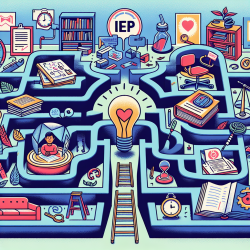

In today’s educational landscape, inclusive classrooms are increasingly the norm. This shift requires teachers to be adept at instructing a diverse range of learners, each with unique needs and abilities. However, many new teachers feel unprepared for this challenge. Research by McCrimmon highlights a significant gap in teacher education programs regarding training on childhood disabilities, leaving educators struggling to apply inclusive principles effectively.
An essential tool in bridging this gap is the Individual Education Plan (IEP). This document not only outlines the educational pathway for students with exceptional needs but also supports teachers in delivering personalized instruction.
What is an IEP?
An Individual Education Plan (IEP) is a comprehensive document crafted for students identified as having exceptional needs. It details the specific educational services required to support their learning journey. In Ontario, IEPs are developed when a student is recognized as exceptional by the Identification, Placement, and Review Committee (IPRC) or when a school deems it necessary even without formal identification.
Key Components of an IEP
- Reason for Development: Explains why the IEP was created.
- Student Strengths and Needs: Highlights the student's abilities and areas requiring support.
- Health Services: Lists any health-related services needed during school hours.
- Assessment Methods: Details how the student's progress will be evaluated.
- Documentation: Includes records of consultations with parents or guardians.
The Importance of IEPs
The Ontario Ministry of Education mandates that schools provide special education programs to benefit students with or without formal diagnoses. IEPs play a crucial role in ensuring equity by offering tailored learning opportunities and support to students at risk of not succeeding. Research underscores that inclusive education—facilitated by IEPs—enhances learning outcomes for all students compared to segregated settings.
The Process of Developing an IEP
- Assessment Request: Initiated by parents or school staff through the IPRC.
- IEP Team Formation: Comprises teachers, special educators, and parents/guardians.
- Implementation: The IEP is executed with necessary accommodations and modifications.
- Review and Update: Teachers regularly assess progress and revise the IEP as needed.
The Teacher's Role in Implementing IEPs
The classroom teacher plays a pivotal role in executing the IEP by adapting teaching methods to meet individual needs, maintaining open communication with parents and professionals, and continually assessing student progress. Effective teachers are proactive participants in the IEP process, utilizing both systematic observations and naturalistic assessments to inform their practice.
Tips for Success
The journey of working with IEPs can be daunting for new teachers. Here are some strategies from experienced educators:
- Cultivate Collaboration: Engage with resource teachers and other staff to leverage their expertise.
- Pursue Professional Development: Continuously seek opportunities to deepen your understanding of exceptionalities and effective teaching strategies.
- Create a Supportive Environment: Foster an inclusive classroom culture where all students feel valued and supported.
- Mental Flexibility: Remember that IEPs are dynamic documents meant to evolve as students grow and their needs change.
The effective implementation of IEPs is integral to fostering an inclusive educational environment where all students can thrive. For more detailed information on creating and utilizing IEPs effectively, please follow this link.