Loneliness is an increasingly recognized issue affecting people across all age groups. For secondary school students, particularly those in Andoni Local Government Area of Rivers State, Nigeria, loneliness poses significant psychosocial challenges. This blog post delves into the critical findings of a study conducted by Ukwuije Chinedu Kelechi from the University of Port Harcourt, exploring the psychosocial influence of loneliness on these young individuals.
The Study at a Glance
The research involved 382 secondary school students selected through simple random sampling. The study aimed to answer two fundamental questions:
- How does poor family relation influence loneliness among students?
- What role does self-esteem play in loneliness?
The researchers utilized a questionnaire titled "Psychosocial Influence of Loneliness Questionnaire (PILQ)" to gather data, which was then analyzed using mean scores and z-tests.
Key Findings
Poor Family Relations
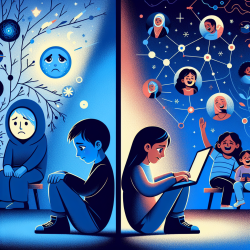
The study revealed that poor family relations significantly influence loneliness among secondary school students. Family dynamics play a crucial role in shaping a child's social abilities and emotional health. Negative relationships between parents often spill over into parent-child interactions, exacerbating feelings of loneliness and isolation among children.
Impact of Self-Esteem
Self-esteem emerged as another pivotal factor influencing loneliness. Students with low self-esteem tend to interpret social interactions negatively and often attribute failures to themselves. This mindset can lead to feelings of worthlessness and incompetence, further isolating them socially.
Why Addressing Loneliness Matters
Loneliness is not just an emotional experience; it has tangible impacts on physical and mental health. It is linked to depression, anxiety, and even suicidal ideation. For adolescents in particular, who are navigating significant developmental changes, the stakes are high. Addressing loneliness can improve academic performance and overall well-being.
Recommendations for Schools and Families
- Counseling Services: Schools should provide personal social, group counseling, and individual counseling sessions to help students navigate challenging environments.
- Parental Involvement: Parents need to foster positive emotional connections with their children. A supportive family environment can mitigate the effects of loneliness.
- Boosting Self-Esteem: Programs aimed at building self-esteem can empower students to engage more positively with their peers and improve their academic outcomes.
- Conflict Resolution: Family conflicts should be addressed promptly to provide children with a stable environment conducive to healthy development.
Conclusion
The study underscores the importance of addressing both familial relationships and self-esteem issues to combat loneliness among secondary school students. By focusing on these areas, educators and parents can work together to create supportive environments that foster positive student outcomes.
For more information, please follow this link.